The project’s provision of improved WASH facilities is therefore intended to create a more supportive environment where female students can attend classes with greater comfort and dignity.
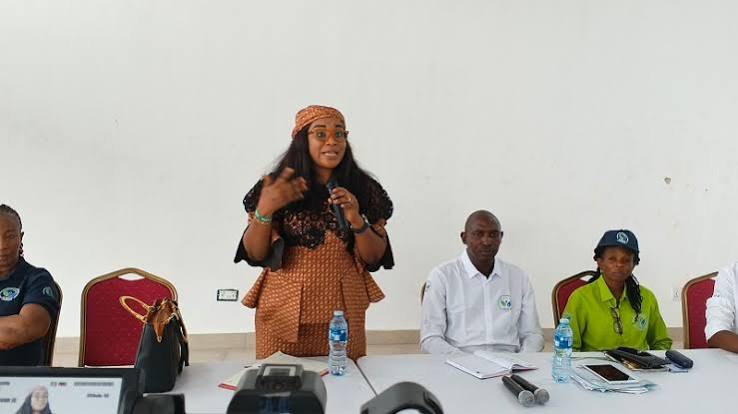
The coordinator said improving school infrastructure was an important part of addressing the barriers that prevent girls from completing their education.
She added that the initiative sought to ensure that schools offered an environment in which students could concentrate on learning without being discouraged by inadequate basic facilities.
Beyond sanitation, the project will provide textbooks, writing materials and other instructional resources to help students participate more effectively in lessons.
Chukwu-Onuora said access to these materials would reduce the difficulties experienced by learners who lack essential educational resources and could support improvements in academic performance.
The intervention is expected to benefit students across the 217 targeted public secondary schools, although the coordinator did not provide a school-by-school implementation schedule or a breakdown of the facilities to be delivered to each institution.
Project Targets Social Barriers to Girls’ Education
The AGILE project is also working with communities to identify traditional practices and social expectations that discourage girls from accessing education.
Chukwu-Onuora said parents, community leaders and other stakeholders had important roles to play in changing attitudes and encouraging families to support girls’ education.
She called for greater community participation in addressing practices that prevent girls from enrolling in school or continuing their studies.
The project also seeks to promote awareness of girls’ rights and protection through activities marking important occasions, including the International Day of the Girl Child, alongside campaigns against gender-based violence.
According to the coordinator, changing social attitudes is an important part of ensuring that improvements in school infrastructure translate into increased participation and retention among adolescent girls.
The initiative recognises that providing classrooms, sanitation facilities and learning materials may not, on its own, eliminate the social pressures that prevent some girls from completing their education.
Chukwu-Onuora urged parents and community leaders to support school enrolment, challenge practices that keep girls out of classrooms and encourage children to remain in education.
She said sustained cooperation between schools, families and communities would be necessary to advance the project’s objectives.
Gender-Based Clubs and Reporting Mechanisms Introduced
As part of efforts to promote safer learning environments, AGILE has introduced gender-based clubs and safe environment clubs in participating schools.
Chukwu-Onuora said the clubs were designed to raise awareness of gender-related issues and encourage students to contribute to creating safer school environments.
The project has also provided suggestion boxes through which students can report complaints, including cases of gender-based violence and other grievances.
She explained that the boxes formed part of the project’s grievance redress mechanism, providing students with a channel to raise concerns.
The measures are intended to strengthen awareness of protection issues and help students report problems that could affect their safety and participation in school activities.
The coordinator did not provide figures on the number of schools with operational clubs or the number of complaints received through the reporting mechanism.
However, the inclusion of these measures indicates that the intervention extends beyond physical infrastructure to address students’ welfare and the conditions necessary for effective learning.
By combining school improvements with awareness activities and reporting channels, the project aims to create environments in which adolescent girls can participate more fully in education.
Children With Disabilities Included in Intervention
Chukwu-Onuora said children living with disabilities were also being considered under the AGILE intervention to ensure that vulnerable learners were not left behind.
She disclosed that three special schools in Enugu State had been included in the project’s considerations.
The inclusion reflects the initiative’s broader objective of expanding access to education and addressing barriers faced by learners who may require additional support.
However, the coordinator did not provide details of the specific infrastructure modifications or learning resources planned for the three special schools.
She also explained that AGILE comprised several components, including the construction of new school infrastructure, renovation of existing schools, social norms communication, digital literacy, empowerment initiatives and alternative education opportunities.
In Enugu State, she said, the immediate focus was on renovating existing secondary schools and improving their facilities.
The range of components reflects the project’s approach to improving educational access through infrastructure, learning resources, community engagement and empowerment opportunities.
Coordinator Urges Parents to Support Enrolment
Chukwu-Onuora called on parents, community leaders and other stakeholders to support the intervention by encouraging school enrolment and helping children remain in education.
She said the project aligned with the Enugu State Government’s commitment to expanding access to education and urged families to take advantage of available opportunities.
The coordinator stressed that parents had a responsibility to ensure their children were enrolled in school and supported throughout their education.
The AGILE project is a government-led initiative supported by the World Bank to improve adolescent girls’ access to quality secondary education, strengthen learning outcomes and expand empowerment opportunities.
Its planned intervention across 217 public secondary schools in Enugu State is expected to address infrastructure and learning-resource gaps while promoting safer and more inclusive educational environments.
The extent of its impact will depend on the implementation of the planned improvements, the availability of essential facilities and sustained cooperation among schools, families, communities and government authorities.
Discover more from NAIRAVOICE.COM.NG
Subscribe to get the latest posts sent to your email.