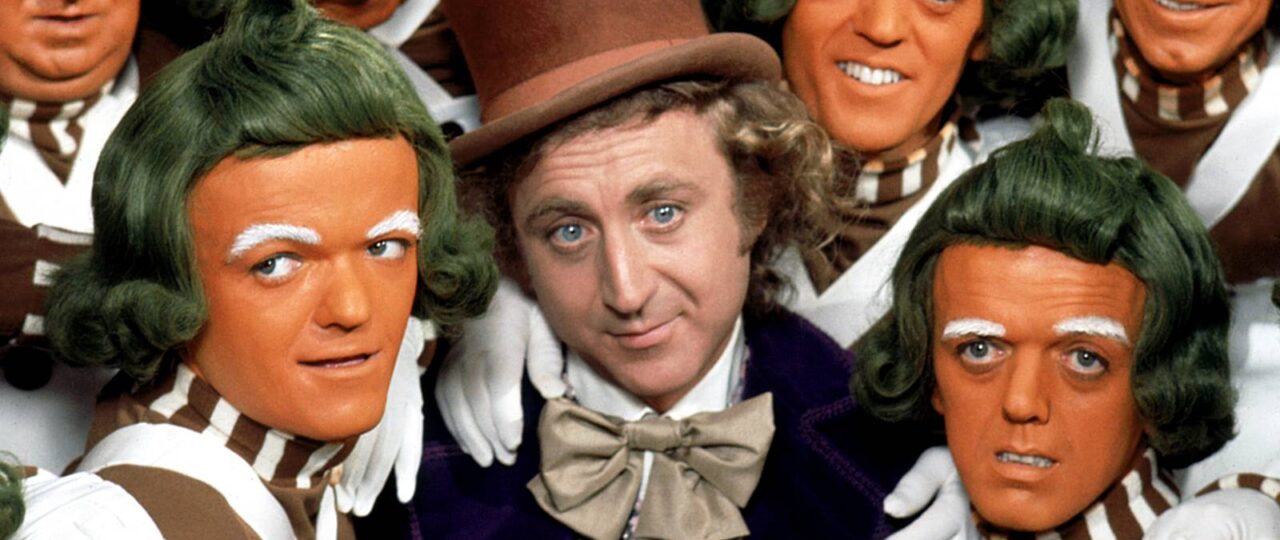
The new Willy Wonka movie has a huge issue when it comes to recasting the iconic chocolatier. Roald Dahl’s Charlie and the Chocolate Factory is returning to the screen, but this time, the story is taking a very different route. Netflix’s upcoming animated feature, Charlie vs. the Chocolate Factory, will expand Dahl’s universe rather than simply retread Charlie Bucket’s famous Golden Ticket adventure, this time with Taika Waititi as Wonka.
Set in modern-day London, Charlie vs. the Chocolate Factory introduces Charlie Paley, a new character whose desperate circumstances lead him and his friends to plan a break-in at Willy Wonka’s factory. Their target is a priceless Wonka Bar, and their mission is to save their homes from eviction. Unfortunately, the factory’s eccentric owner has spent years in prison after turning a child into a blueberry.
Directed by Jared Stern and Elaine Bogan, Charlie vs. the Chocolate Factory is scheduled to arrive in theaters worldwide on November 5, 2027, before streaming on Netflix from December 22. It will also feature original songs and a new cast of characters, giving the filmmakers plenty of room to explore familiar territory in unexpected ways. Yet even with animation, a new setting, and an original story, the film faces one particularly difficult challenge – largely concerning Taika Waititi’s casting as Willy Wonka.
Taika Waititi Has To Follow Three Very Different Willy Wonka Performances
<<img src="https://static0.srcdn.com/wordpress/wp-content/uploads/2026/04/willy-wonka-tipping-his-hat-in-wonka.jpg?q=49&fit=crop&w=825&dpr=2" />
</figure>
Waititi is following three actors who have established very different versions of the same character. Gene Wilder, Johnny Depp, and Timothée Chalamet each found something distinctive in Dahl’s mysterious confectioner, making it difficult for a new interpretation to avoid comparisons.
Wilder’s performance in Willy Wonka & the Chocolate Factory (1971) remains the definitive version for many viewers. His Wonka balances whimsical charm with unsettling unpredictability. Wilder’s deadpan delivery and sudden shifts in mood make it difficult to know whether Wonka is joking, testing his visitors, or genuinely threatening them. That ambiguity gives the character an enduring appeal.
Johnny Depp took a stranger, more socially awkward approach in Tim Burton’s Charlie and the Chocolate Factory (2005). His Wonka is childlike, emotionally stunted, and uncomfortable around other people, with an appearance and mannerisms that make him feel deliberately alien. The performance is considerably more eccentric than Wilder’s, but it also emphasizes Wonka’s troubled relationship with his own childhood and his domineering father.
Timothée Chalamet offered something warmer in Wonka (2023), playing a younger version of the chocolatier before the events of Dahl’s original story. His interpretation emphasizes optimism, generosity, and entrepreneurial ambition, showing a dreamer determined to share his chocolate with the world. Instead of presenting Wonka as an inscrutable authority figure, Chalamet makes him an enthusiastic outsider whose imagination helps him overcome powerful opponents.
All three performances work because they understand different sides of Wonka. Wilder supplied the menace, Depp the peculiar vulnerability, and Chalamet the youthful idealism. Waititi therefore faces a tricky balancing act: audiences want something recognizable, but another imitation would hardly justify a new movie.
Willy Wonka’s New Animated Movie Could Turn Its Biggest Challenge Into An Advantage
<<img src="https://static0.srcdn.com/wordpress/wp-content/uploads/2026/10/a-kid-looks-out-on-wonkas-factory-in-charlie-vs-the-chocolate-factory.jpg?q=49&fit=crop&w=825&dpr=2" />
Image via Netflix</figure>
Fortunately, Charlie vs. the Chocolate Factory has one significant advantage over its live-action predecessors: animation. Rather than asking Waititi to imitate Wilder’s unsettling smile or Depp’s peculiar mannerisms, the medium allows him to develop Wonka’s physical comedy, expressions, and movements without being constrained by a real-world performance. The character can be as exaggerated, unpredictable, and visually bizarre as the filmmakers want.
The premise also offers room for a different interpretation. According to Netflix, Wonka has spent years in prison after turning a child into a blueberry during the original Golden Ticket contest. Upon his release, he returns to his factory hoping to make the world sweeter, only to encounter Charlie Paley and his friends.
That setup gives Waititi an opportunity to explore Wonka’s more mischievous side. The filmmaker’s acting work on Thor: Ragnarok and Jojo Rabbit demonstrates his ability to mix absurd comedy with genuine emotion, while his interest in eccentric outsiders suits a character whose genius is inseparable from his strangeness.
Waititi still has a formidable legacy to contend with, but he doesn’t need to out-Wilder Wilder or out-weird Depp. If he finds a fresh balance between Wonka’s mischief, imagination, and underlying unpredictability, Charlie vs. the Chocolate Factory could make the character feel excitingly unfamiliar again.
                <a href="/register/" target="_blank" rel="noopener noreferrer">Sign in</a> to claim your place on
                the leaderboard!


                <a href="/register/" target="_blank" rel="noopener noreferrer">Sign in</a> to claim your place on
                the leaderboard!
Charlie vs. the Chocolate Factory
-
<

Willy Wonka (voice)
-
<
Charlie Paley (voice)
-
<
(voice)
-
<
Charithra Chandran




Discover more from NAIRAVOICE.COM.NG
Subscribe to get the latest posts sent to your email.