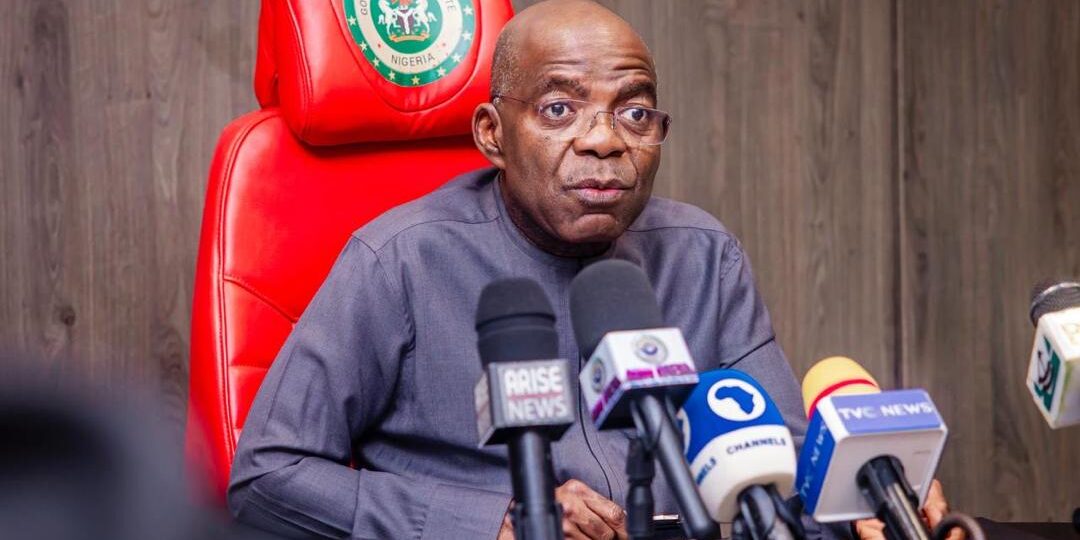

Abia State Governor, Alex Otti, has identified poor refuelling infrastructure, affordability concerns and safety issues as major reasons many Nigerian motorists are hesitant to switch to Compressed Natural Gas, CNG.
Otti said Nigeria’s transition from conventional fuel to cleaner energy would require more than the availability of natural gas, stressing the need for effective policies, sustained investment and cooperation between the government and private sector.
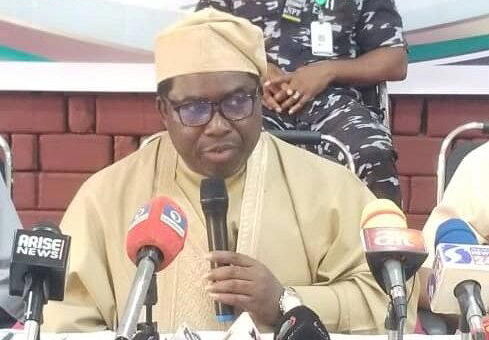
The governor, who was represented by his Senior Special Assistant on National Assembly Matters, Emenike Onyembi, spoke at the National CNG Summit held in Abuja on Tuesday.
He observed that although Nigeria possesses substantial natural gas reserves, the removal of fuel subsidies had increased transportation and energy expenses for households, businesses and workers.
According to him, making CNG a viable alternative would depend largely on three factors: affordable pricing, strict adherence to safety standards and the availability of accessible refuelling stations.
Otti explained that the lack of adequate refuelling infrastructure had discouraged motorists from converting their vehicles, while investors were equally reluctant to establish CNG stations without a sufficient number of vehicles to guarantee patronage.
He said the situation had created a difficult cycle in which motorists were waiting for more refuelling stations, while investors were waiting for more CNG-powered vehicles before committing their resources.
The governor also drew attention to the financial and economic challenges confronting the sector, particularly access to funding, foreign exchange fluctuations and the need to strengthen local manufacturing.
He maintained that producing CNG equipment locally would reduce Nigeria’s dependence on imported components, limit exposure to currency instability and create opportunities for domestic industries.
Highlighting his administration’s commitment to cleaner transportation, Otti disclosed that Abia State had introduced 40 electric buses under its Green Shuttle programme, with plans to increase the number to 100.
He further revealed that the state government had allocated land at Obuaku City for vehicle manufacturing and assembly facilities, which are expected to have an annual production capacity of up to 40,000 vehicles, including electric and CNG-powered models.
The governor also announced that Abia had endorsed a proposed $13.1 million CNG project at the Abia Industrial and Innovation Park, which is expected to serve as an integrated gas hub for the South-East region.
Otti urged investors, manufacturers and development partners to move beyond discussions and demonstrate their commitment through concrete investments in financing, infrastructure, certification and project execution.
Earlier, Convener and National Chairman of the National Compressed Natural Gas Forum, NCNG-F, Faruk Abdullahi, challenged the Federal Government and private investors to harness Nigeria’s vast natural gas resources for economic growth, industrial expansion and employment generation.
Abdullahi argued that the country could no longer afford to celebrate its enormous gas reserves without developing the infrastructure and investment framework needed to turn them into tangible benefits for citizens.
He described Nigeria’s energy situation as a paradox, noting that despite its significant natural gas resources, the country had yet to fully translate this advantage into affordable energy, stronger industrial competitiveness and improved economic opportunities.
Also speaking at the summit, Vice-Chancellor of the Federal University of Transportation, Daura, Katsina State, Professor Umar Adam Katsayal, called for greater involvement of universities in Nigeria’s emerging CNG industry.
Katsayal said higher institutions should contribute through research, engineering development, financial education and practical innovations capable of supporting the country’s energy transition.
He added that the opportunities created by the shift towards cleaner energy should not be restricted to road transportation, stressing the need to extend the benefits to the railway, maritime and aviation sectors.
Discover more from NAIRAVOICE.COM.NG
Subscribe to get the latest posts sent to your email.