“The point is we run these two stacks at the same time, and we have multimodal sensors in our philosophy because because it’s a safer product that way,” Kani said, adding that the open-source Alpamayo software has now been downloaded by more than 650,000 developers.
Volvo didn’t reveal the value of the partnership or which vehicle model would be the first to use this new Nvidia tech stack. But Alwin Bakkenes, Volvo’s head of software development, hinted at the scale of the deal and how it represents the automaker’s evolution toward developing a full-tech stack designed for its electric vehicles as well as its plug-in hybrids and gas-powered vehicles.
“Automakers used to be very much like car-line based development and working with various suppliers, etc. and we have completely changed and migrated into being a full tech stack company,” Bakkenes said, adding that Volvo will start this partnership with a brand new vehicle that “will come in the not-too-near future.”
He said the first vehicle with this new Nvidia tech stack will debut within the decade, and “then of course the technology can go beyond that.”
https://www.youtube.com/embed/xMDZus5hxYI?si=Z7LUr39_aXW4uwTd&autoplay=1&mute=1
While Volvo’s relationship with Nvidia isn’t new, the expanded partnership represents the automaker’s effort to bring the latest automated driving software to all of its vehicles — not just its EVs.
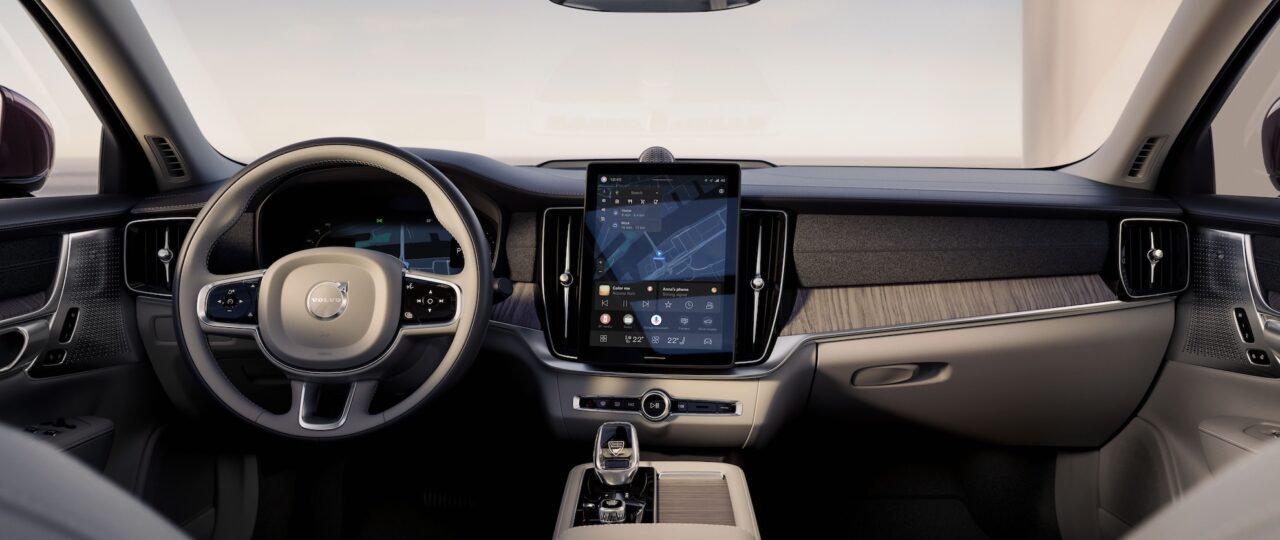
All of Volvo’s battery-electric vehicles use Nvidia’s Orin computer chip, which processes information from cameras, radar, and other sensors to help a vehicle understand its surroundings and make driving decisions.
“What we’re going to do in the future is actually standardize more on Hyperion — also from a sensor set perspective — to really open up the stack for for the wider partnership with Nvidia,” Bakkenes said.
Discover more from NAIRAVOICE.COM.NG
Subscribe to get the latest posts sent to your email.