As Uber cuts jobs, it’s targeting some of the smallest teams in its org chart.
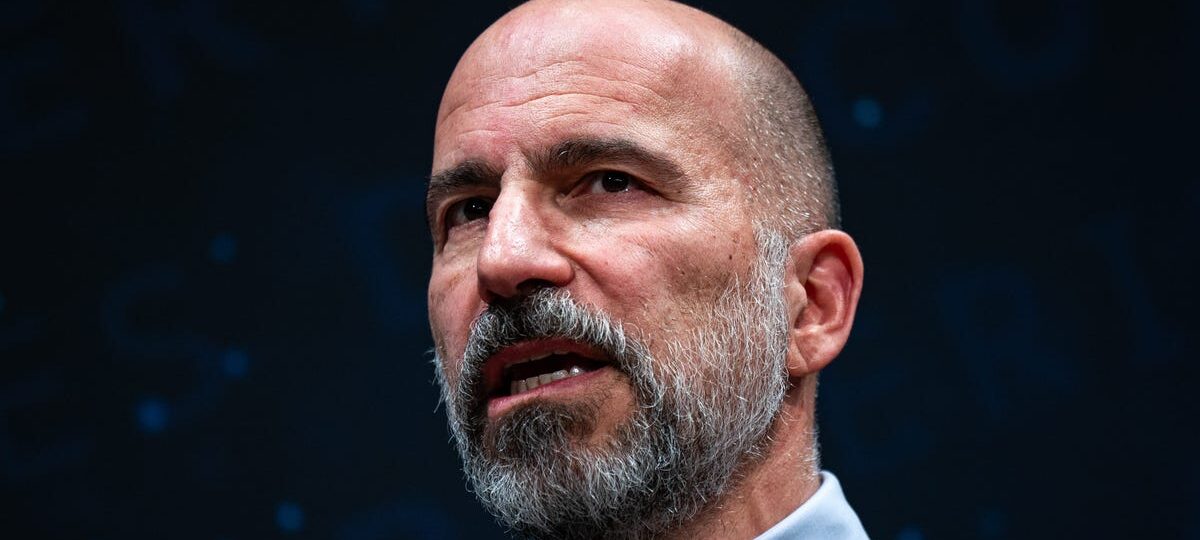
In a memo announcing layoffs affecting about 10% of staffers on Wednesday, CEO Dara Khosrowshahi said the ride-hailing giant would trim management layers and cut the number of “micro-teams” — those with only one or two direct reports — by nearly half. “The outcome is a simpler org chart geared toward building versus managing,” Khosrowshahi wrote.
Uber’s focus isn’t simply on small groups of workers.
It’s groups that come with their own management layer.
The move comes at a time when many tech companies are looking to reconstruct org charts with fewer layers and more managers acting as “player-coaches,” not merely supervisors.
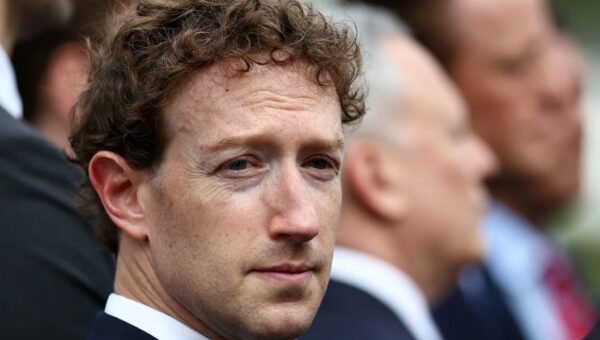
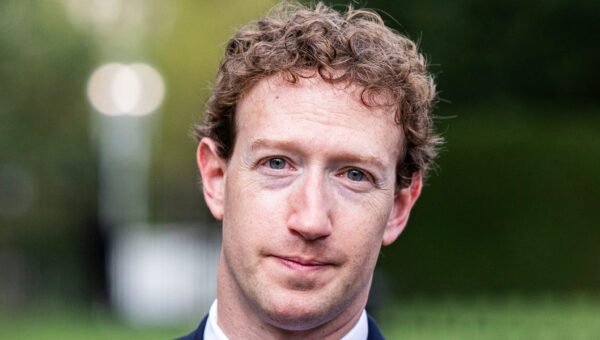
In some cases, it’s meant CEOs like Meta’s Mark Zuckerberg have touted the value of the “tiny team,” where elite employees do the work that once took legions.
Coinbase announced in May that it would have “no pure managers” as it shifted toward AI-native pods, including “one-person teams” in which a single employee takes on the work of an engineer, designer, and product manager.
For others, it’s meant asking fewer middle managers to oversee bigger teams — and sometimes take on more hands-on work as well.
These days, managers can often oversee larger teams because AI is changing what they do, said David McJannet, cofounder of Dome Systems, a platform for controlling AI agents.
Instead of turning to a supervisor for guidance on every task, workers can use AI for help, he said.
Managers can then focus more on setting goals and checking that employees are on track to meet them. “The job of the manager is less about handholding,” McJannet said.
However, there can be risks to trimming managerial ranks — and not only for those in the middle.
As managers are stretched across more reports and responsibilities, career development and mentorship can fall to the wayside.
Paddy Lambros, the founder and CEO of Dex, which uses AI to connect software engineers with employers, previously told Business Insider that the intense pace of work has made managers’ relationships with their reports “more tactical and transactional.” “It’s not managing the human, it’s managing the work,” Lambros said. “And it’s much more sink or swim.” Some executives are in favor of a shift toward fewer managers overseeing bigger teams.
Fred Voccola, the chairman and CEO of AI software company Simpro Group, said this transition needs to happen “faster and more aggressively.” A Gallup report published in January found that the average manager’s span of control grew from 10.9 direct reports in 2024 to 12.1 in 2025.
At Simpro, Voccola said, the ratio of individual contributors to managers has gone from about eight-to-one to 17-to-1 as AI helps employees produce more.
The model requires leaders to contribute directly to tasks, Voccola said.
He calls it “hands-dirty” work for managers.
For example, he said he wants a chief technology officer involved in debates about software architecture and a chief marketing officer writing copy.
That doesn’t mean every small team within companies is obsolete.
In his memo, Uber’s Khosrowshahi said the company would cut down the number of micro-teams, not eliminate them entirely.
Kevin Kelley, Boston Consulting Group’s global lead for organizational design, said there are instances where small teams are the right bet.
For instance, new initiatives might start with only a few people.
He said small teams can also make sense when work is highly uncertain or highly interdependent and requires senior expertise. “A small team will actually make sense under those circumstances for some period of time,” Kelley said.
For some executives, the case for reducing the number of teams with only a few direct reports isn’t solely about cutting layers or costs.
Bill George, former CEO of the medical-device maker Medtronic, said such teams can lack the “diversity of expertise” to solve problems independently simply because of their size. “We need to have a multidisciplinary team,” George, an executive fellow at Harvard Business School, said. “The problem with a one- or two-person team is you only get a couple of disciplines.” George expects to see more companies having managers oversee 15 to 50 people, although there is no magic number for the appropriate span of control, he said.
One goal of stripping out managers is to reduce the layers separating leadership from frontline employees — a point Khosrowshahi raised in his memo, saying Wednesday’s restructuring would reduce by 20% the number of workers who are seven or more layers from the CEO.
That can give executives a more direct view of what is happening, George said, rather than relying on information filtered through several levels of management.
That was his approach when he ran Medtronic.
When the company had production problems, he said, he didn’t want to hear only from the quality department. “I’m going down to the floor and talk to the people on the production line,” George said. “They’ll give me the real story.”
Discover more from NAIRAVOICE.COM.NG
Subscribe to get the latest posts sent to your email.