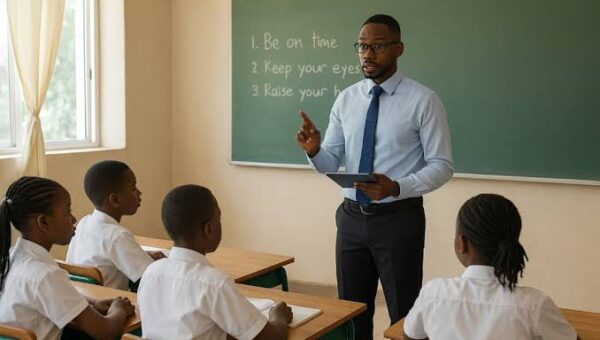


One of the most common phrases children hear while growing up is, “Why can’t you be more like your brother?” Others are constantly reminded that a neighbour’s child scores higher marks, behaves better, wins more competitions, or appears more disciplined. Some parents compare siblings, while others compare their children with cousins, classmates, or even children they barely know. Although these comparisons are often made with good intentions, they can have lasting effects on a child’s confidence, emotional wellbeing, and academic development.
Many parents believe comparison is an effective motivational tool. They hope that pointing out another child’s achievements will inspire their own child to work harder. However, research in developmental psychology and education suggests otherwise. While occasional comparisons may seem harmless, repeated comparison often creates feelings of inadequacy rather than motivation. Instead of encouraging children to improve, it can make them question their worth, abilities, and potential.
Confidence is one of the most important foundations of successful learning. Children who believe in their abilities are more willing to ask questions, attempt difficult tasks, recover from setbacks, and explore new opportunities. On the other hand, children who constantly feel they fall short of others may become anxious, withdrawn, or reluctant to take academic and personal risks.
The effects of comparison go beyond school performance. They influence friendships, mental health, decision-making, relationships with parents, career aspirations, and even self-esteem in adulthood. This is why educators and child development experts increasingly encourage parents and teachers to focus on individual growth rather than measuring children against one another.
Understanding what constant comparison does to a child’s confidence is essential because it helps families create environments where children are motivated by personal progress rather than competition alone.
Constant comparison changes how children see themselves
Children gradually develop their sense of identity through the messages they receive from the adults around them. Parents, teachers, relatives, and caregivers all contribute to how children perceive their strengths, weaknesses, and overall value.
When children are praised for their individual efforts and encouraged to improve at their own pace, they begin to develop healthy self-confidence. They understand that mistakes are part of learning and that progress matters more than perfection.
However, constant comparison sends an entirely different message. Instead of hearing, “You are improving,” children repeatedly hear, “You are not good enough.”
Over time, they stop evaluating themselves based on their own growth and begin measuring their worth against the achievements of others. This habit creates what psychologists refer to as an external standard of self-worth. Rather than asking whether they are learning and improving, children become preoccupied with whether someone else is performing better.
This mindset has significant consequences. For example, a child who consistently scores 75 per cent in examinations may initially feel proud of steady improvement. However, if they are repeatedly reminded that another pupil scored 90 per cent, their satisfaction quickly disappears. The focus shifts away from personal progress towards perceived failure.
In addition, comparison often weakens a child’s willingness to embrace challenges. Confident learners generally view difficult tasks as opportunities to grow. Conversely, children who constantly compare themselves with others may avoid challenging activities because they fear falling behind or being judged.
They begin to associate mistakes with personal inadequacy rather than learning. This fear affects classroom participation as well. Students with low confidence are often reluctant to ask questions, answer in class, or contribute to discussions because they worry about making mistakes publicly. Ironically, this silence can hinder learning and reinforce the belief that they are less capable than their peers.
Moreover, comparison can distort children’s understanding of intelligence. Rather than recognising that skills develop through practice, many begin believing intelligence is fixed. If another child consistently performs better, they conclude that they simply lack ability.
Educational psychologist Carol Dweck’s research on growth mindset highlights the dangers of this belief. Children who view abilities as fixed are generally less resilient than those who believe effort and persistence can improve performance.
Furthermore, comparison may affect children’s identity beyond academics. A child repeatedly compared with an athletic sibling may decide they are “not sporty.” Another compared with a musically gifted friend may conclude they lack creativity.
In reality, every child develops at a different pace and possesses unique combinations of strengths. Constant comparison prevents children from discovering these individual talents because they become too focused on matching someone else’s achievements.
Comparison creates emotional pressure that affects learning and relationships
The emotional effects of constant comparison often extend far beyond confidence.
Children naturally seek acceptance and approval from their parents and teachers. When they perceive that approval depends on outperforming others, they may begin viewing relationships through the lens of competition rather than support.
This can create persistent anxiety. Many children become afraid of disappointing their parents because they believe love or approval depends on academic performance. Even high-achieving students sometimes experience overwhelming pressure because they fear losing their position as the “successful child.”
Consequently, comparison affects both struggling learners and academically gifted children. It also influences sibling relationships.
Parents often assume comparing siblings encourages healthy competition. However, research suggests repeated comparisons frequently create resentment instead.
The child viewed as “less successful” may develop feelings of jealousy or inferiority, while the child constantly praised may experience pressure to maintain unrealistic standards. Rather than strengthening family relationships, comparison can damage them.
In addition, children subjected to frequent comparison sometimes stop celebrating the achievements of others. Instead of feeling inspired when classmates succeed, they interpret others’ accomplishments as reminders of their own perceived shortcomings.
This unhealthy competitive mindset can continue into adulthood, affecting friendships and workplace relationships.
Comparison also contributes to perfectionism. Children who grow up believing they must outperform others often become excessively concerned with avoiding mistakes. They may spend disproportionate amounts of time worrying about examinations, assignments, or competitions because they fear falling behind.
Unfortunately, perfectionism rarely produces lasting happiness. Instead, it often increases stress, emotional exhaustion, and academic burnout.
Furthermore, comparison can reduce intrinsic motivation. Educational psychologists distinguish between intrinsic motivation, learning because one enjoys it, and extrinsic motivation, where behaviour is driven primarily by rewards or external approval.
Children constantly compared with others frequently lose sight of the joy of learning itself. Education becomes less about curiosity and understanding and more about proving personal worth.
Social media has intensified this challenge. Today’s children and teenagers encounter constant opportunities for comparison beyond school. Academic achievements, awards, extracurricular successes, and university admissions are frequently shared online.
While celebrating accomplishments is perfectly natural, continuous exposure to others’ successes can reinforce feelings of inadequacy, particularly among young people already accustomed to comparison at home.
The result is a generation of students who sometimes feel they are never doing enough, regardless of how much they achieve.
Building children’s confidence without comparing them to others
Fortunately, confidence can be nurtured through healthier parenting and educational practices. The first step involves recognising that every child follows a unique developmental path.
Children differ in learning styles, personalities, interests, and natural abilities. Some excel academically at an early age, while others develop confidence later through creativity, leadership, sports, entrepreneurship, or practical problem-solving.
Recognising these differences allows adults to appreciate progress without expecting identical outcomes. Parents should focus conversations on personal improvement rather than comparison.
Instead of saying, “Your friend scored higher than you,” they might ask, “What do you think you learned from this test?” or “How can you improve next time?”
Such questions encourage reflection and growth rather than shame. Praise should also emphasise effort, persistence, and strategy instead of simply celebrating outcomes.
When children hear statements such as, “I’m proud of how hard you worked,” they begin associating success with behaviours they can control rather than fixed ability.
Teachers play an equally important role. Classrooms that celebrate individual progress create safer learning environments than those centred exclusively on rankings. Recognising improvement, encouraging participation, and allowing mistakes to become learning opportunities strengthen students’ confidence over time.
Schools can also reduce unnecessary comparison by diversifying definitions of success. Academic excellence deserves recognition, but so do kindness, leadership, creativity, resilience, teamwork, and community service.
Children flourish when they realise that intelligence has many forms. Parents should also model healthy attitudes towards comparison.
Children closely observe adult behaviour. Parents who constantly compare themselves with neighbours, relatives, or colleagues unintentionally teach children to evaluate themselves similarly.
Demonstrating gratitude, self-acceptance, and appreciation for individual differences provides a healthier example.
Additionally, encouraging children to set personal goals helps shift attention away from competition.
A child aiming to improve from 60 to 70 per cent experiences success differently from one whose only objective is outperforming classmates.
Personal goals foster intrinsic motivation and resilience because progress becomes meaningful regardless of others’ achievements.
It is equally important to create opportunities for children to discover diverse talents.
Not every child will become a top academic performer, but every child possesses strengths worth developing. Music, art, sports, leadership, technology, volunteering, entrepreneurship, and public speaking all provide avenues for confidence to grow.
Children who experience success in multiple areas develop more balanced self-esteem.
Ultimately, the most confident children are not those who always outperform others.
They are those who understand their own value, believe they can improve, and feel accepted regardless of temporary setbacks.
Conclusion
Constant comparison may appear to be an effective motivational strategy, but its long-term effects often undermine the very confidence children need to succeed. Rather than inspiring improvement, repeated comparisons can damage self-esteem, increase anxiety, encourage perfectionism, weaken intrinsic motivation, and interfere with healthy relationships both inside and outside the classroom.
Every child deserves to be recognised as an individual with unique strengths, challenges, interests, and potential. Confidence grows not when children constantly compete with others but when they see evidence of their own progress and receive encouragement tailored to their personal journey.
Parents, teachers, and caregivers therefore have an important responsibility. By replacing comparison with constructive guidance, celebrating effort alongside achievement, and recognising growth rather than perfection, they help children develop resilience and a lifelong love of learning.
Education should never be about creating identical success stories. Its true purpose is to help every child become the best version of themselves. When children no longer feel pressured to measure their worth against someone else’s achievements, they gain something far more valuable than higher grades, they develop the confidence to embrace challenges, learn from mistakes, and pursue their unique potential with courage and optimism.
Discover more from NAIRAVOICE.COM.NG
Subscribe to get the latest posts sent to your email.