
When Alice Webb went for a non-surgical Brazilian butt lift (BBL) – a procedure involving the injection of large volumes of dermal filler into the buttocks – at a pop-up clinic inside a rented beauty salon one morning in September 2024, she expected to be finished in time for the afternoon school run.
But Alice, 33, never returned home.
The mother of five died less than 24 hours after undergoing the treatment, becoming the first person in the UK known to have died following a non-surgical BBL procedure. An inquest will be held in the autumn to establish the cause of her death.
Her story has become a focal point in a growing debate about Britain’s booming aesthetics industry, where cosmetic injectables are now available everywhere, from High Street beauty salons to rented office spaces and hotel rooms.
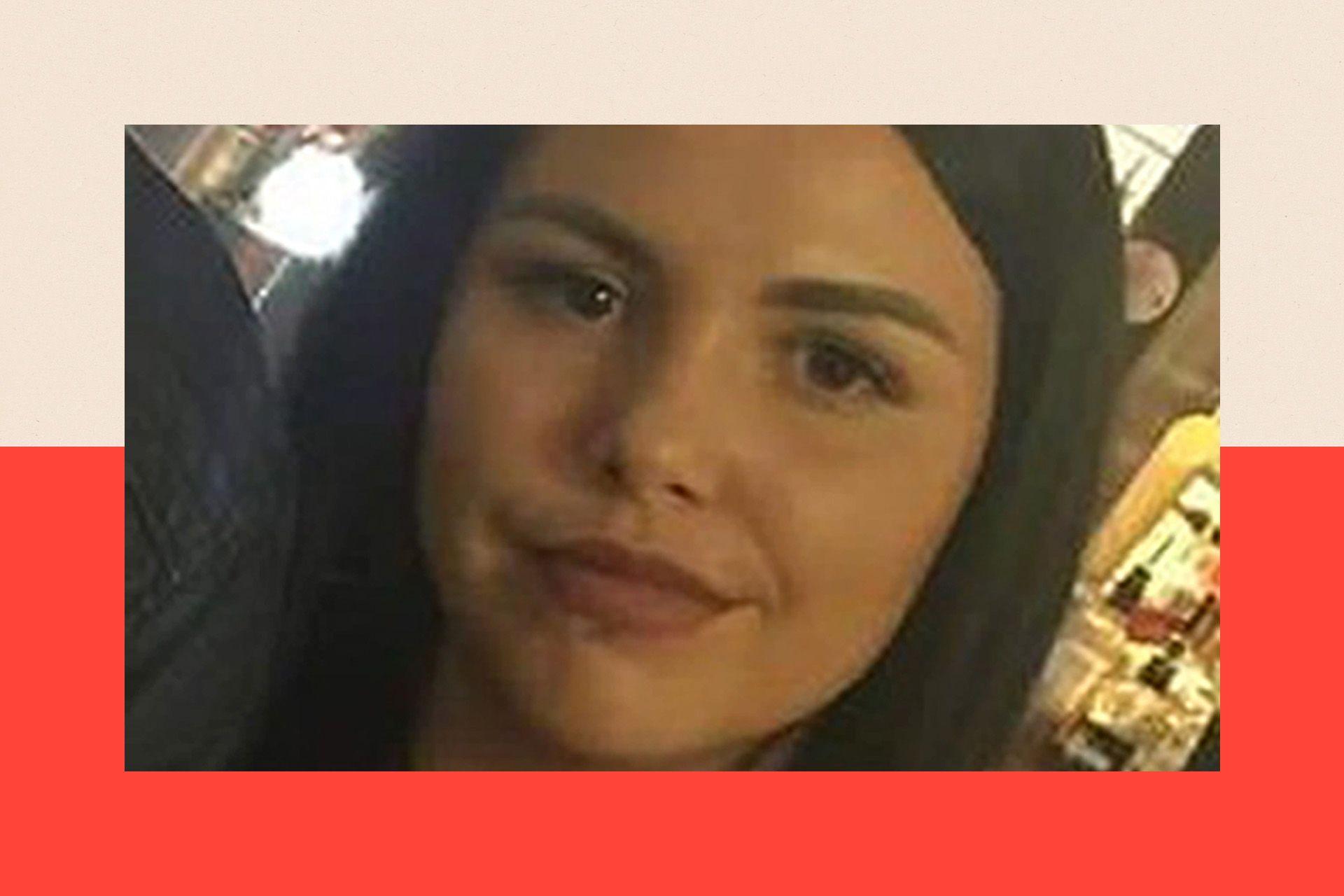 Image source, PA Media
Alice Webb underwent a non-surgical BBL procedure
Over the past two years, I have investigated this industry, going undercover to find out what is really happening behind clinic doors. I found practitioners willing to inject hundreds of millilitres of filler into my body from makeshift treatment rooms in office blocks. I was offered prescription-only medicines without proper consultations and sold unlabelled weight-loss injections on social media.
I’ve spoken to dozens of women who have told me about the excruciating pain they experienced caused by cosmetic injections that were marketed as pain-free and low-risk, and the resulting infections that left them in hospital.
The cosmetic accreditation service Save Face says it has seen numerous cases of serious harm linked to cosmetic procedures – including one patient who was left unable to close her eyes following a botched eyelid surgery, and another who sustained perforated intestines during a liposuction procedure.
“It’s so horrific that it sounds like some sort of horror film, but these are procedures being carried out on our high streets,” says Save Face director Ashton Collins.
The UK is one of Europe’s least-regulated markets for cosmetic injectables. Unlike many European countries, anyone can legally train to inject dermal fillers and offer treatments to members of the public.
Now ministers in Scotland and England say they are tightening regulation of this multi-billion pound industry. But will this work? And why, more than a decade after experts warned that dermal fillers were a “crisis waiting to happen”, are patients still being exposed to preventable harm?
In June 2024 Joanne (who only wants us to use her first name) went for a non-surgical BBL procedure at a pop-up clinic in a flat in Essex because she considered it less risky than flying to Turkey for a surgical BBL – this was before Alice had died.
“I just wanted a peachy bum,” says Joanne, a mum of two from South Wales. “I should have turned and ran”. Shortly after treatment, in which she was injected with 1 litre (1.8 pints) of filler, she ended up in hospital with sepsis. Two years on, she says she still has scars on her thighs and buttock from the treatment.
Cosmetic injectables were once associated with wealthy, middle-aged clients seeking subtle anti-ageing treatments, but the industry has undergone a dramatic transformation over the past decade.
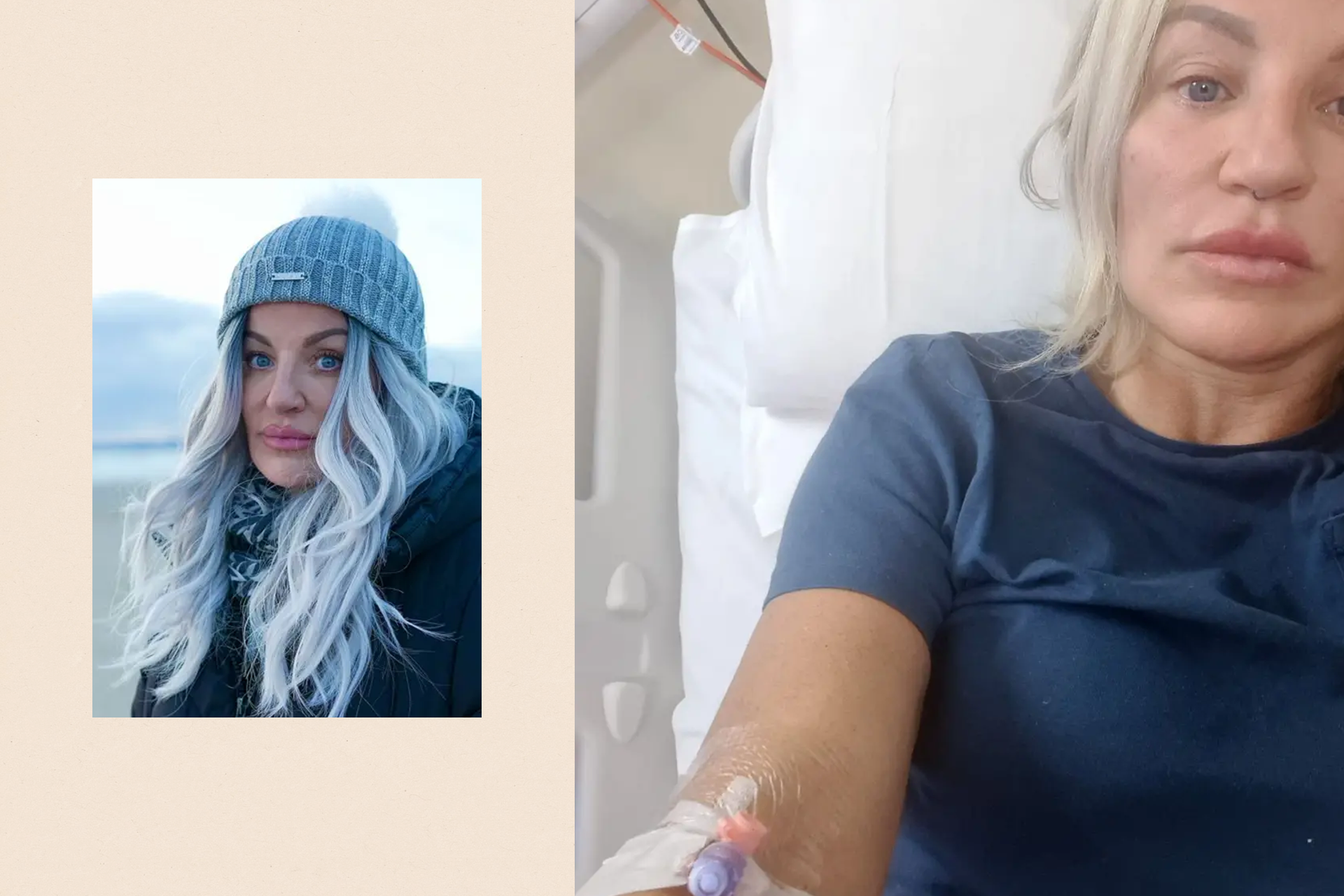
Joanne was treated in hospital for sepsis following her liquid BBL
Treatments such as dermal fillers – injectable gels, usually made from hyaluronic acid, that are used to add volume and shape – and Botox are now marketed to a much younger audience and promoted as routine beauty treatments rather than medical procedures.
Ashton Collins of Save Face believes social media and reality television have played a significant role in driving that change: “The Kardashians, Love Island and social media made it fashionable for younger women to have bigger lips, cheeks and frozen faces.”
At the same time, injectable treatments have become increasingly widely available and are often offered from beauty salons – which can make them appear similar to routine beauty services, according to Collins.
“People might be getting their nails or eyebrows done and see these treatments as an extension of that,” she says. “If you’re under 35, it’s very likely you perceive these treatments as beauty treatments rather than something medical.”
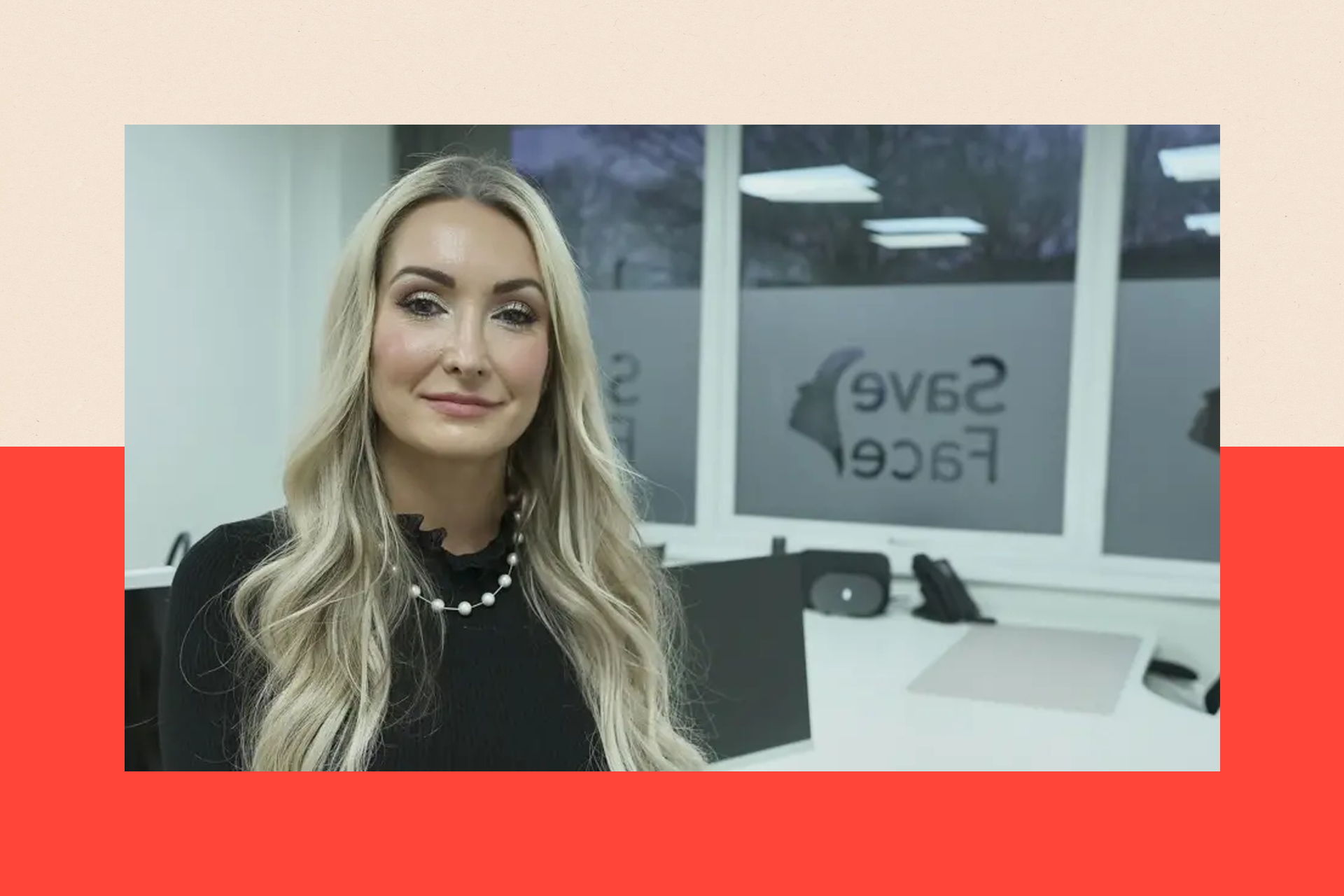
Save Face’s founder, Ashton Collins, campaigns for cosmetic surgery regulation
The result, Collins argues, is that consumers often focus on convenience, popularity and price rather than safety credentials.
“We repeatedly find that people don’t know Botox is a prescription-only medicine. They don’t know they should be assessed by a healthcare professional,” she says.
All this has helped fuel extraordinary growth across the sector. But Collins says it has also created the conditions for unsafe practitioners to thrive.
“The way these treatments are presented on social media removes much of the perception of risk,” she says.
The scale of that market is still unclear as there is no central register of practitioners and no official database tracking the sector’s growth.
Dr Alexander Zargaran, an NHS plastic surgeon and researcher at University College London, set out to quantify one of the largest parts of the market: Botox.
His analysis identified nearly 20,000 practitioners operating across the UK in 2025, compared with just over 3,500 identified as recently as 2023. “We know that the industry is growing,” Zargaran says. While some of this increase reflects more comprehensive mapping of practitioners advertising online and through social media, the scale of the growth in just two years remains striking.
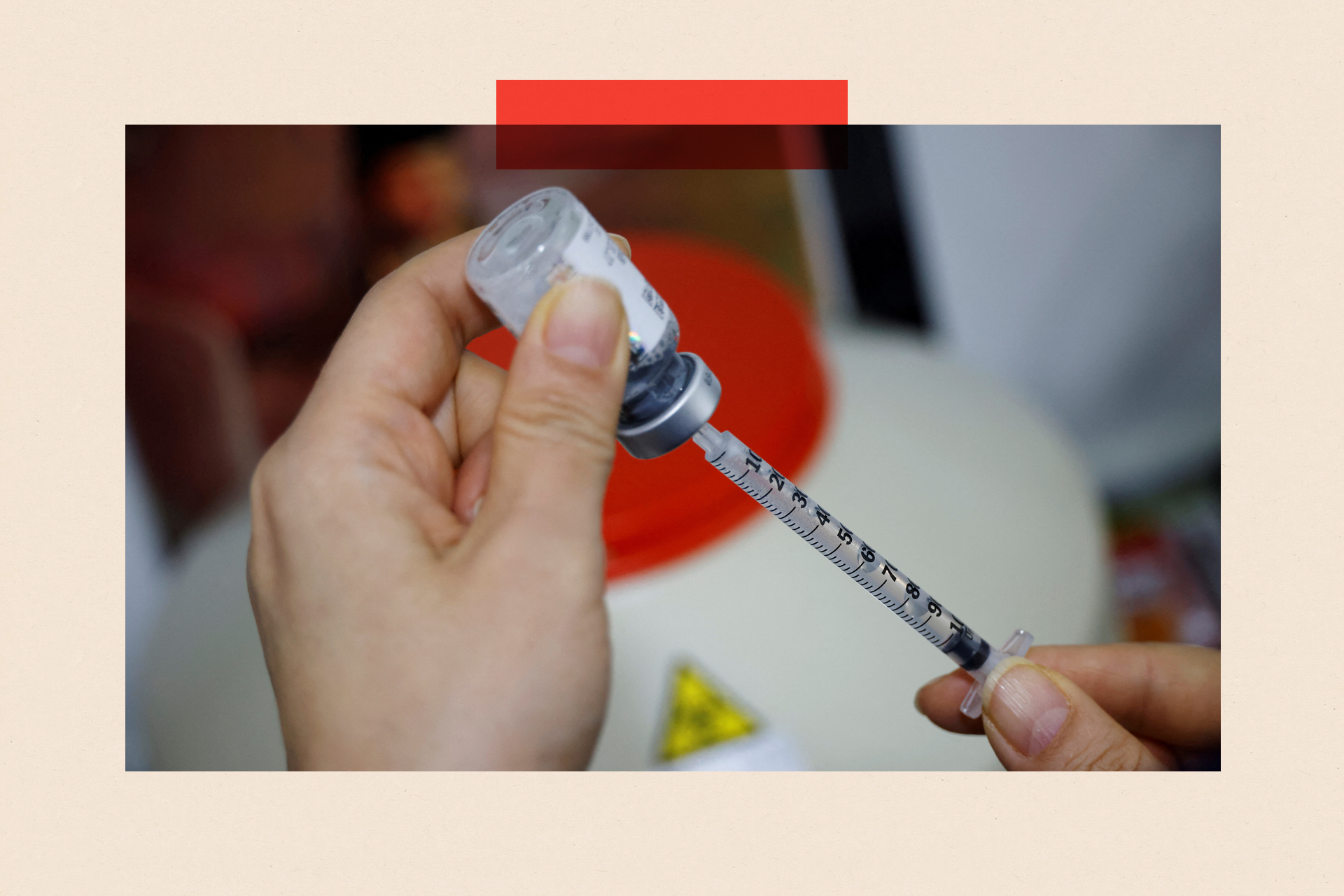 Image source, Reuters
Researchers found Botox treatments were more widely available in the most deprived areas
Some of the sector’s growth has been driven by non-medical practitioners, Zargaran’s research suggests – according to his study, the proportion of non-medical aestheticians doubled from 12% to 24.8% between 2023 and 2025.
The study also found that Botox treatments were more widely available in the most deprived communities. Practitioner density was more than six times higher in the most deprived areas compared with the least deprived. But at the same time, people in the most deprived areas had less access to medically qualified practitioners.
And this leads us to a broader question: if the UK now has tens of thousands of cosmetic injectors operating across the country, should someone be responsible for regulating them?
Under current laws across the UK, anyone can legally undertake training, purchase dermal filler products and offer treatments to members of the public.
While doctors, nurses and dentists are regulated by professional bodies with the power to investigate complaints and impose sanctions, there is no equivalent statutory regulator for non-medical aesthetic practitioners.
In Austria, by contrast, botulinum toxi and dermal filler treatments are classified as medical procedures and are typically reserved for doctors. In France, non-medical practitioners are prohibited from administering injectable cosmetic treatments.
Andrew Rankin, chief executive of the Joint Council for Cosmetic Practitioners (JCCP), said the UK’s lighter-touch approach reflects a broader regulatory culture that has historically prioritised consumer choice and economic growth.
“We have an inclusive philosophy to economic activity where government tries to find the balance between public safety while maintaining an innovative and effective economy,” he said.
In 2023, when the government consulted on a licensing scheme for England, some respondents warned that any new regulation would need to be proportionate. While there was broad support for improving safety, concerns were raised about the potential impact on small businesses, which make up much of the sector, and the risk that overly restrictive rules could limit consumer choice or drive parts of the industry underground.
But the current situation across the UK can make it difficult for consumers to assess qualifications, understand what training a practitioner has received and know where to turn when treatments go wrong, says Zargaran.
“If you are a medical professional, you will have gone through certain types of training, including the important principles of consent, carrying out procedures, follow-up and recognising complications,” he adds.
More than a decade ago, the government commissioned an independent review of the cosmetic interventions industry following the PIP breast implant scandal, which saw thousands of women receive implants made with silicone that had not been approved for medical use.
The review, led by then-NHS Medical Director Professor Sir Bruce Keogh, examined the wider cosmetic sector, including dermal fillers, Botox and other non-surgical procedures.
It warned that people undergoing non-surgical cosmetic procedures had “no more protection and redress than someone buying a ballpoint pen or a toothbrush” and concluded: “It is our view that dermal fillers are a crisis waiting to happen.”
The review called for practitioner licensing, stronger training requirements and tighter controls over who should be allowed to perform cosmetic procedures.
Following the Keogh Review, the government introduced a system of voluntary self-regulation. Organisations such as the JCCP were established to set standards and encourage practitioners to join accredited registers.
But Rankin says this approach has not worked and many practitioners remain entirely outside voluntary schemes: “What was underestimated was the extent to which, in a self-regulatory framework, practitioners would not be interested in meeting those standards.”
Four days after undergoing a liquid BBL at an Essex clinic in October 2023, 28-year-old Louise Moller from Bolton was rushed to hospital with sepsis.
She rang her mother, Janet Taylor, from A&E: “Mum, I think I’m going to die,” she said.
To stop the sepsis spreading through her body, surgeons removed large areas of dead tissue from her left buttock.
 Image source, Janet Taylor
Louise, pictured in happier times before the BBL procedure
Janet reported the incident and the practitioner who carried out the procedure – Ricky Sawyer, a well-known rogue injector who also performed the non-surgical BBL that left Joanne with sepsis – to police. But because the procedure took place in Essex while Louise lived in Greater Manchester, she says she was told the case would need to be passed between forces.
When BBC News approached Greater Manchester Police (GMP) and Essex Police about this in 2025, both said responsibility for the investigation lay with the other force.
We contacted GMP for this article but it did not respond. Essex Police said: “We understand the frustration felt in this case,” but insisted again that responsibility sat with GMP.
For Collins, Louise’s experience illustrates a wider failure of enforcement. “People assume there must be somebody regulating these practitioners and holding them accountable when things go wrong,” she says. “Very often that simply isn’t the case.”
While Janet tried to get justice for her daughter, I went undercover as a client inside a temporary clinic operating from an office block on the outskirts of London in which Ricky Sawyer was still operating. During the appointment, Sawyer offered to inject up to a litre of filler, provided prescription-only medicines without a prescription being issued and suggested administering local anaesthetic without a prescriber present.
Plastic surgeon Dalvi Humzah, who reviewed the footage, described these practices as “shocking” and “very dangerous”.
Since our reporting on Sawyer aired in February 2025, he has been banned from practicing following a legal injunction brought by Trafford Council. He recently appeared in court over breaking this injunction but was found not guilty – during his evidence he said he knew the procedures were dangerous.
While Sawyer can no longer practise anywhere in England and Wales, it took several years for this to happen.
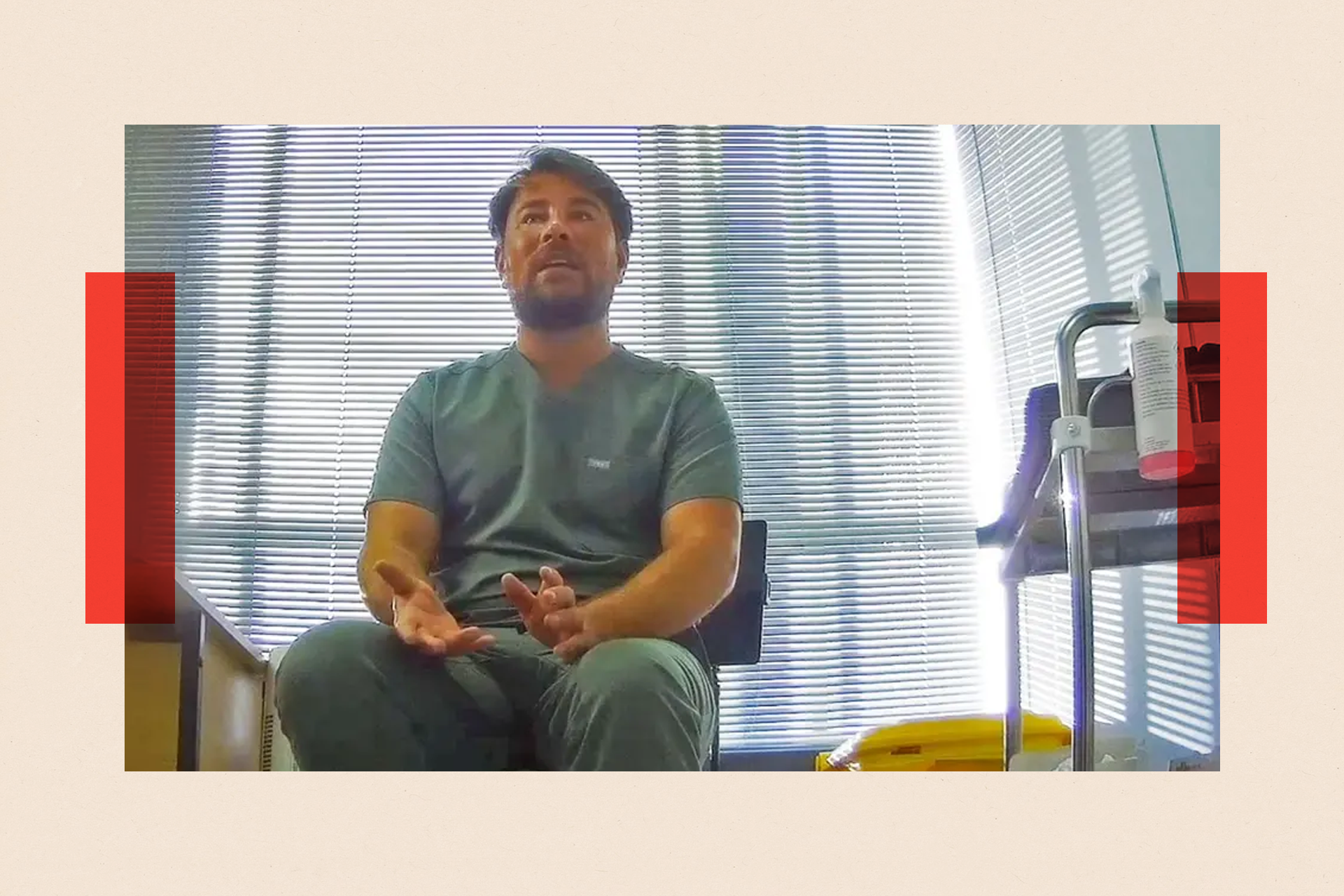
Ricky Sawyer described himself as “Britain’s biggest Brazilian butt lift injector”
And it’s not just the practitioners but also the products that are unregulated. Concerns about illegal medicines and counterfeit products have surfaced repeatedly across the sector in recent years.
A BBC undercover investigation in 2025 found nurses and pharmacists supplying Botox without carrying out the face-to-face consultations required under professional guidance.
Authorities have also repeatedly warned about unlicensed and counterfeit products entering the UK market. Police in Northern Ireland seized more than 700,000 counterfeit and unlicensed medicines in 2023, including Botox products. In Glasgow, officers later recovered thousands of pounds worth of dermal fillers, needles and botulinum toxin products during a raid linked to the aesthetics trade.
Campaigners say enforcement is often fragmented between councils, police forces, medicines regulators and professional bodies, with no single organisation responsible.
“You can walk into beauty salons across the country and have Botox the same day without ever having a proper consultation with a prescriber,” says Collins. “That shouldn’t be happening, but it does because there is very little enforcement.”
Since 2013, successive governments have acknowledged the case for reform, yet comprehensive regulation has repeatedly been delayed.
A significant step came with the Health and Care Act 2022, which gave ministers powers to introduce a licensing regime for non-surgical cosmetic procedures in England. In 2025, ministers confirmed their intention to introduce a licensing scheme.
A Department of Health and Social Care spokesperson said: “We will soon consult on tough new measures that will ensure only qualified healthcare professionals will be able to perform the highest-risk procedures.” They say they are also planning a licencsing scheme for what they describe as lower-risk procedures.
Meanwhile, a law passed this year in Scotland will restrict procedures like Botox and injection of dermal fillers to specific settings, such as regulated clinics. It will also make it illegal to provide procedures to those under 18. A Scottish Government spokesperson said all this is expected to come into effect from September 2027, as will a local authority licencing scheme for less risky procedures.
Northern Ireland’s Department of Health says it has “no current plans” to introduce mandatory regulation of non-surgical cosmetics or to introduce a licencing scheme. However, it says it takes “decisive action” against the illegal supply, misuse and promotion of medicines like Botox.
The Welsh Government says it is monitoring the implementation of mandatory licencing schemes for acupuncture, dry needling, body piercing, electrolysis, tattooing and semi-permanent makeup and this “will inform any potential future extension to other procedures”.
Despite the developments in Scotland and England, substantial work remains to be done before any licensing system becomes fully operational. Further legislation is required, detailed regulations must still be drafted and local authorities will need the resources necessary to enforce any new framework.
In the meantime, ministers in England have indicated that the highest-risk procedures will be prioritised under a proposed “red category” of treatments. These are expected to include non-surgical BBLs, face lifts and filler-based body contouring treatments, which alter the shape of areas such as the stomach, thighs or buttocks.
Rankin said there was broad agreement that some procedures “really should be restricted to appropriate professionals”.
Supporters of reform hope the proposed licensing scheme will eventually require both practitioners and premises to be licensed, too.
More than a decade after the Keogh Review warned dermal fillers were a “crisis waiting to happen”, campaigners argue the problem is no longer a lack of warnings.
But even if new rules are introduced, the challenge will remain of ensuring those that already exist are enforced.

BBC InDepth is the home on the website and app for the best analysis, with fresh perspectives that challenge assumptions and deep reporting on the biggest issues of the day. Emma Barnett and John Simpson bring their pick of the most thought-provoking deep reads and analysis, every Saturday. Sign up for the newsletter here
Get in touch
Are you personally affected by the issues raised in this story?
Discover more from NAIRAVOICE.COM.NG
Subscribe to get the latest posts sent to your email.