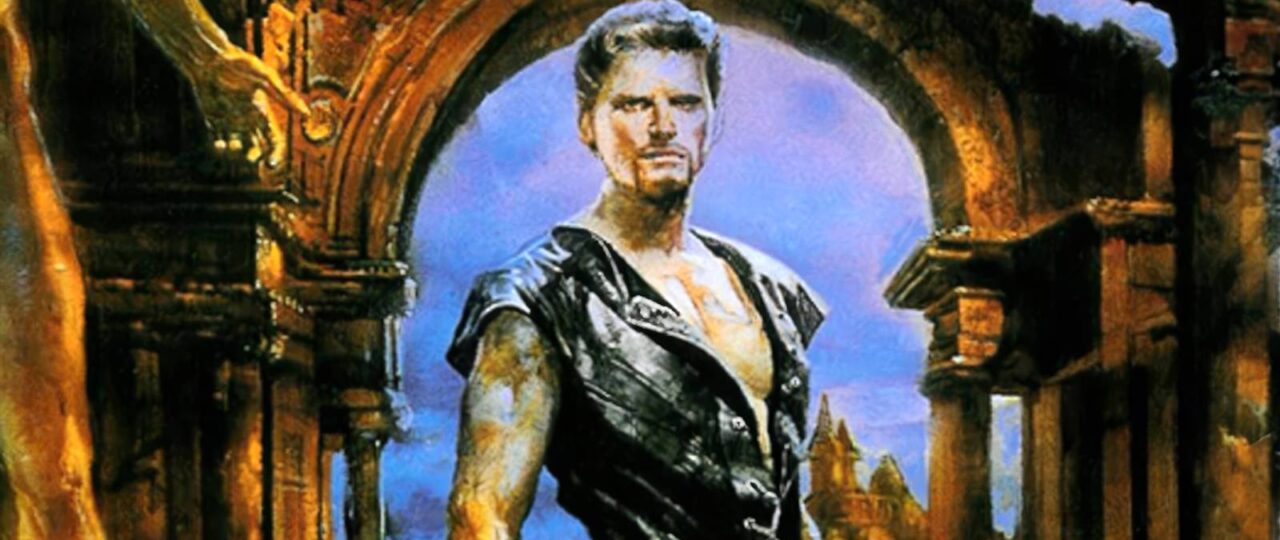
We live in a complex time, entertainment-wise. AI is a genuine risk to art forms of all types, and large businesses are taking over each other, acting suspiciously like a monopoly. That’s without mentioning how streaming keeps changing the name of the game for everyone and everything, and we keep finding entertainment in efforts that appeal to the lowest common denominator.
The writing was on the wall for years, and many visionary authors predicted the future of the entertainment industry with such accuracy that it’s outright frightening. Then there are those who took it to the extreme, satirizing the very concept of what we find entertaining and offering a scathing view of it: that’s exactly what Matthew Woodring Stover did in his underrated 1997 gem, Heroes Die. Set in a bleak version of the future, this science-fantasy tale features a wildly creative and unforgiving critique of corporate media and the audience’s obsession with spectacle that makes it all the more powerful today.
What Is ‘Heroes Die’ About?
<<img src="https://static0.colliderimages.com/wordpress/wp-content/uploads/2026/11/heroes-die-entry-image-2-1.jpg?q=49&fit=crop&w=825&dpr=2" />
Image via Del Rey</figure>
Heroes Die is set in a dystopian, 23rd-century Earth where society is organized in strict castes and corporations run things following a plague outbreak that collapsed the previous governments. Coexisting with reality is Overworld, a parallel dimension of fantastical creatures and magic, where warring empires wreak havoc. Corporations have found a way to sell experiences to people on Earth by hiring actors from Earth to assume personas on Overworld and go on real, high-stakes adventures, which are then sold to the audience as an immersive, first-person experience.
The plot centers on Hari Michaelson, an actor who assumes the ruthless identity of Caine in Overworld, known as the Blade of Tyshalle across the city of Ankhana. When his estranged wife, Pallas Ri, is captured in Ankhana and her connection to Earth is severed, Hari agrees to go into Overworld as Caine to rescue her. However, he must also kill the ruling emperor per the request of the studio executives, as the ongoing succession crisis and potential civil war would make for a great setting for future adventures.
The world of Heroes Die is ruthless and bleak, grimdark literature at its finest. This version of Earth is pure nightmare fuel, with corporations controlling nearly every aspect of culture, and therefore everyday life. Overworld isn’t much better, as the violent, survival-of-the-fittest credo makes for a dangerous and perennially brutal way of life. Stover perfectly blends genres, embracing all the aesthetics and themes of fantasy and updating them through a distinct sci-fi lens. Indeed, the book exists right in the middle, never giving in to one or the other.
What Makes ‘Heroes Die’ So Impactful Today?
<<img src="https://static0.colliderimages.com/wordpress/wp-content/uploads/2026/11/heroes-die-entry-image-4-1.jpg?q=49&fit=crop&w=825&dpr=2" />
Image via Del Rey</figure>
From the very beginning, the world of Heroes Die feels like an infinitely darker and exaggerated yet uncomfortably familiar version of our current situation. Sure, we don’t have a fantasy alternate reality coexisting with ours (that we know of), but thematically and in everything that concerns Earth, this dystopia feels dangerously possible. For starters, there’s the mysterious plague that collapsed the previous structures, which in a post-COVID world feels not only feasible but perhaps inevitable. Then, there’s the fact that corporations have taken over and dictate society’s way of life, shaping it through the ruthless entertainment system they pioneered and control. Movies like Network have also toyed with this idea — that corporations are our new religion and can easily manipulate us — but Heroes Die makes it feel all the more real because it makes the entertainment so enticing.
Indeed, the book makes us complicit in the violence it’s critiquing. Stover doesn’t pull back with the guts and gore: Heroes Die features extreme sequences of intense and unforgiving violence, some of which verge on the cruel and are actively tough to read through. Yet, we remain hooked to the page, not only because of his gift as a wordsmith, but because the world he created is as engaging and alluring as it is repulsive. Think of this book as a literary version of Michael Haneke‘s Funny Games: it’s openly judging you for partaking in the violence it’s depicting, even daring, wanting you to turn away, but you just… don’t. Our collective need for sensationalism is crucial here, and Stover understands and weaponizes it.
Here is where the book’s takedown of modern entertainment values rings the strongest. Heroes Die is a scathing denunciation of what we find entertaining and where we place value. It not only predicted the rise of reality television as a dominant cultural force, but it also accurately guessed that someone, somewhere, at some point in time, would find a way to sell violence as amusement. Like some of its spiritual siblings, including Stephen King‘s The Running Man, Heroes Die sadly acknowledges that we find degradation fun, especially if we find a way to justify our enjoyment. “It’s all staged” and “none of it is true” are constant reminders that real people are engaging in those acts, whether by greed, need, or both.
Books like Heroes Die take a mundane concept (a man willing to rescue his wife while dealing with corporate interests) and introduce an out-of-this-world concept to make it more engaging. Yet, the struggle is still familiar and, to many, relatable. At its core, the book is about what we’re willing to do for someone we care about, but it’s also about how we survive in a world dictated by profit and loss, and what we’re willing to sacrifice to do it. In a way, it says that violence is not only inevitable, but also an inherent part of us, to the point where we can’t even be rid of it by escaping into a fantasy world of gods and emperors. In fact, it’s so natural to us that we’re not only prone to it, but also compelled by it. Harrowingly, violence here is both the question and the answer, the crime and the punishment. By merely existing, Heroes Die is proving its point.
Discover more from NAIRAVOICE.COM.NG
Subscribe to get the latest posts sent to your email.