

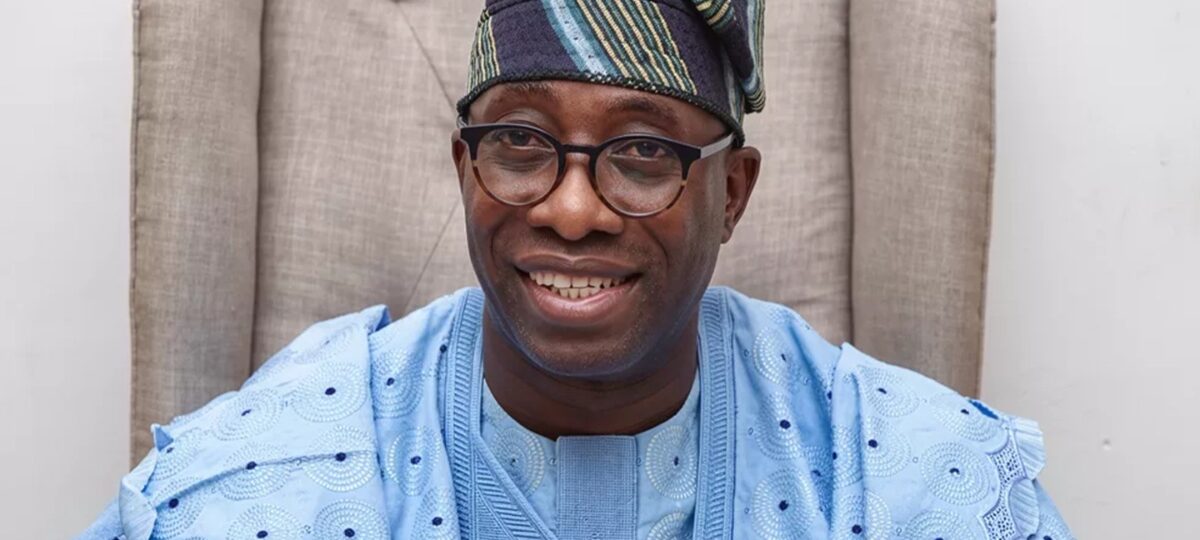
The Convener of The Alternative, Otunba Segun Showunmi, has defended the Chief of Staff to the President, Femi Gbajabiamila, against what he described as the growing culture of convicting public officials in the court of public opinion before the completion of investigations or judicial proceedings.
In a statement titled “The Burden of the Chief of Staff: Why Silence Is Often Mistaken for Guilt,” Showunmi, on Thursday, argued that the Office of the Chief of Staff is one of the most influential yet least understood positions in government, requiring discretion and confidentiality rather than constant public engagement.
According to him, many Nigerians misunderstand the responsibilities of the office and often interpret the inability of its occupant to respond publicly to allegations as an admission of guilt.
“The office demands effectiveness, not visibility. It demands discretion, not publicity. It requires silence, even when accusations are flying.
“The Chief of Staff… must constantly weigh his words against the larger interests of the Presidency and the stability of government. His silence is often not weakness. It is discipline. His restraint is often not guilt. It is responsibility,” Showunmi stated.
The former spokesman for the Atiku Abubakar presidential campaign said public officials should remain accountable but warned against turning allegations into convictions without evidence.
“What is not legitimate is the growing tendency to convert rumour into reality simply because it aligns with existing biases,” he said.
“Too often, citizens hear an allegation and immediately assume guilt. A whisper becomes a headline. A conspiracy becomes accepted wisdom. A social media post becomes a substitute for investigation.”
Referring to the allegations surrounding Gbajabiamila, Showunmi noted that the matter is already before the courts and has reportedly attracted the attention of the Independent Corrupt Practices and Other Related Offences Commission (ICPC), insisting that democratic institutions should be allowed to perform their constitutional roles.
“When allegations arise, institutions must investigate. When disputes emerge, courts must adjudicate. When facts are contested, evidence must prevail. What should not happen is for citizens to pronounce final judgment before the institutions of justice have completed their work.”
Showunmi described the increasing tendency to convict individuals through public opinion as one of the most troubling developments in Nigeria’s democratic discourse.
He urged Nigerians to allow investigators and the judiciary to conclude their work before reaching conclusions.
“The rush to convict in the court of public opinion has become one of the most troubling features of our national discourse. Those who insist on due process are then accused of defending wrongdoing when, in reality, they are defending the very foundation of civilized society.
“Let the courts do their work. Let the investigators do their work. Let the facts speak for themselves,” he said.
Questioning the logic behind claims that the Chief of Staff would deliberately expose himself to legal scrutiny, Showunmi said, “What rational public official occupying one of the most scrutinized offices in the land would deliberately engineer a situation that would place himself at the centre of controversy, investigation, and legal examination?”
He argued that governance cannot be sustained if every allegation automatically becomes a conviction, warning against attacks on public institutions by individuals seeking to discredit one public official.
While acknowledging that public officials must remain open to scrutiny, he maintained that accountability should be rooted in facts rather than speculation.
Showunmi said Nigeria had developed “an unfortunate habit of destroying reputations first and seeking proof later,” urging citizens to exercise greater caution before accepting allegations circulating in the public space.
“Not every accusation is true. Not every narrative is factual. Not every criticism is motivated by patriotism. And not every silence is an admission,” he said.
Discover more from NAIRAVOICE.COM.NG
Subscribe to get the latest posts sent to your email.