By DAVID OWENS
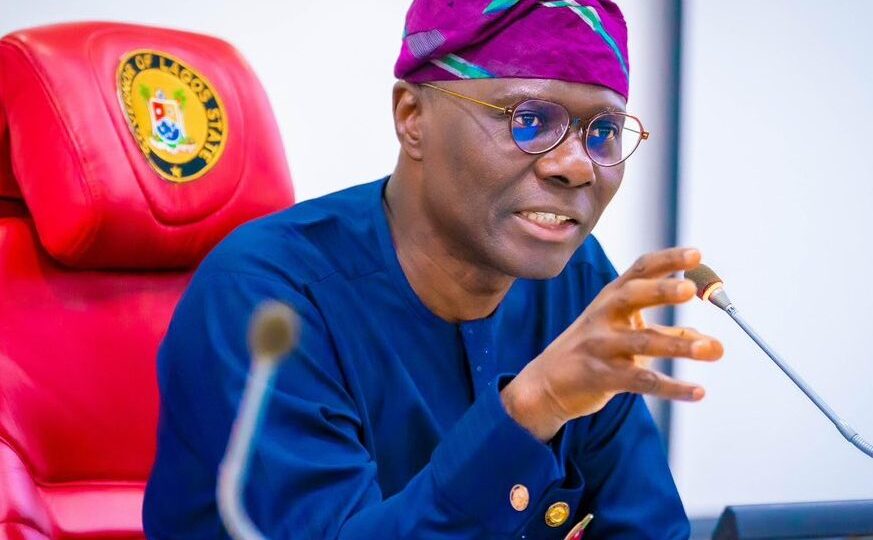
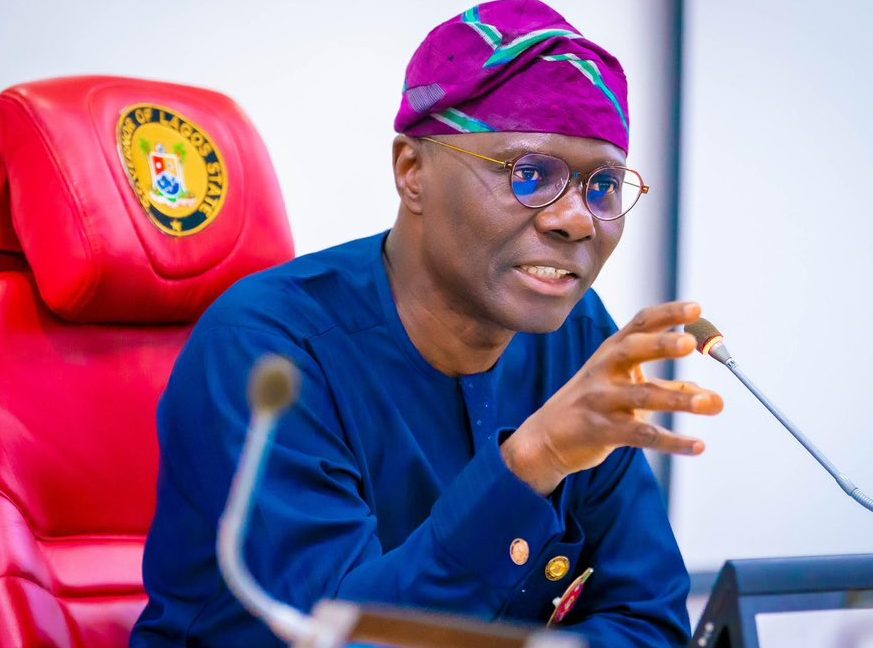
There was a common thread running through several of Governor Babajide Sanwo-Olu’s engagements in the last week of October: the future of Lagos and the resources required to build it.
It was not immediately obvious from the variety of events he attended. Indeed, anyone following the governor’s activities from Monday, October 26, to Saturday, October 31, might have been struck first by their diversity. There was an economic summit, a women’s conference, an international business gathering, meetings with development partners, a political manifesto unveiling, a medical centenary, an education award ceremony, a bankers’ investiture and a fashion show. Yet, beneath the differences in setting and audience, several of these engagements raised essentially the same questions. How does Lagos attract investment? How does it translate infrastructure development into economic opportunity? How can public policy improve the conditions under which businesses and individuals operate? And how can a government prepare its institutions for the demands of a rapidly expanding metropolis?
These were among the questions that gave coherence to an otherwise unusually crowded week.
At the 32nd Nigerian Economic Summit in Abuja on Monday, Sanwo-Olu approached Nigeria’s economic challenges from the standpoint of regional integration and trade. His contribution centred on the opportunities offered by the African Continental Free Trade Area, the importance of functioning trade corridors and the infrastructure necessary to facilitate commerce. For Lagos, these were not abstract economic propositions. A state with major ports, extensive commercial activity and growing industrial corridors has a direct interest in the efficiency of national transport infrastructure and cross-border trade. Sanwo-Olu argued that better roads, railways, electricity, broadband connectivity and logistics systems were essential to improving competitiveness. The significance of that position becomes clearer when considered alongside his activities two days later. At the Nigerian-British Chamber of Commerce executive business breakfast in Lekki on Wednesday, the governor returned to the subject of investment, this time with the future of Lagos itself as the centrepiece.
The gathering, themed The Future of Lagos: Business, Investment and Global Competitiveness, brought him into direct conversation with investors and private-sector operators. He spoke about the state’s long-term development plan, the expansion of rail transportation through the Blue and Red Lines, infrastructure improvements and the movement of certain government services onto digital platforms. These investments, he argued, formed part of the foundation for a more competitive economy. But the discussion also illustrated the distance between ambition and implementation.
Investors are concerned not only with major infrastructure projects but also with administrative efficiency, operating costs, land processes and the reliability of public services. For a state seeking to sustain its commercial position, those everyday concerns are as important as headline investment figures. The day’s subsequent engagements extended the conversation beyond domestic business interests.
At Lagos House, Marina, Sanwo-Olu met Christophe Lecourtier, Chief Executive Officer of the French Development Agency, to discuss continuing cooperation on transportation development. Among the projects under consideration was OMI-EKO, designed to improve water transportation and introduce modern electric ferries into the state’s transport network. The implications extend beyond the transportation sector. A city where workers and goods move more predictably has an economic advantage over one repeatedly constrained by congestion. The governor also received senior executives of international shipping company CMA CGM, whose operations are linked to the Lekki Deep Sea Port. He encouraged the company to deepen its investment and place greater emphasis on developing Nigerian talent. Such discussions are important because large infrastructure investments are not automatically synonymous with broad economic participation. Their wider benefits depend partly on employment, local capacity, supplier networks and the ability of smaller businesses to participate.
By Wednesday, the economic conversation begun in Abuja had moved through international trade, transportation, maritime investment and the practical concerns of local businesses. It would return on Saturday. At the Fellowship Investiture of the Chartered Institute of Bankers of Nigeria, Sanwo-Olu challenged financial institutions to put their enhanced capital positions to productive use. Against the background of banking recapitalisation, he argued that stronger financial institutions should translate into greater support for manufacturing, agriculture, industrial projects and small businesses. The governor identified affordable long-term credit as a major requirement for businesses seeking to acquire equipment, expand production or compete in wider markets.
The argument was particularly relevant to Lagos, where a substantial number of small and medium-sized enterprises coexist with large corporations and industrial operations. Investment promotion, after all, is incomplete without financing.
One can attract multinational companies and expand industrial infrastructure, but the wider economy also requires mechanisms through which local enterprises can obtain capital and participate in emerging opportunities. This was the point at which Sanwo-Olu’s conversations with economists, foreign investors and bankers began to look like different chapters of the same economic discussion.
The week also contained an important social policy component. On Tuesday, the governor launched the Lagos Private Health Plans and announced the enforcement timetable for mandatory health insurance. The policy is designed to improve access to medical care and reduce the burden of sudden healthcare expenses on households. With 21 Health Maintenance Organisations participating and the Health Equity Fund increased to N3 billion, the programme represented an attempt to expand the financial protection available to residents. Its success will depend on implementation, affordability, compliance and the quality of healthcare services delivered.
But its inclusion in the week’s events was significant: economic development concerns not only investment and infrastructure but also the ability of households to cope with illness without falling into financial difficulty.
Another social dimension emerged at the 26th National Women’s Conference of COWLSO. The conference examined women’s economic participation, entrepreneurship, leadership and access to opportunities. It was also the setting for a more personal moment when Sanwo-Olu presented flowers to his wife, Dr Ibijoke Sanwo-Olu, before sharing a public kiss with her.
During the conference celebrations, a retiring teacher, Francisca Olaitan Lawal, won a three-bedroom apartment, while Lagos Ferry Services employee Mary Odofin received an SUV. The individual rewards were among the lighter aspects of a week otherwise dominated by discussions of larger institutions and investment. Friday brought the political and social dimensions of Lagos’ future into sharper focus. At the unveiling of Deputy Governor Kadri Obafemi Hamzat’s governorship manifesto, Sanwo-Olu spoke about continuity in government and the importance of experience accumulated through previous administrations. Hamzat’s proposals, grouped under The Lagos Promise, included commitments on transportation, healthcare, housing and employment. The event was political, but the subjects under discussion were closely related to those the governor had addressed throughout the week.
Later that Friday, Sanwo-Olu joined the Medical Guild’s centenary celebration, acknowledging the contributions of doctors and other medical professionals. The occasion also highlighted continuing debates about working conditions, professional allowances and the infrastructure required for effective healthcare delivery. At the Maltina Teacher of the Year Awards the same evening, Lagos-based Biology teacher Busayo Adeyemo emerged the national winner and received, among other prizes, a three-bedroom apartment announced by the governor. Education and healthcare provide the human foundations on which a productive economy depends. Skilled workers, healthy citizens and credible public institutions are all essential to sustaining investment. Even Saturday’s runway appearance at Lagos Fashion Week fitted, in a different way, into the week’s economic narrative. By walking for designer Ugo Monye, Sanwo-Olu drew attention to an industry whose business extends beyond the glamour of fashion shows. The creative sector involves designers, textile workers, manufacturers, photographers, event producers, retailers and countless supporting enterprises.
Like maritime logistics and manufacturing, it also requires financing, skilled labour and access to markets. The week, therefore, presented different faces of a single development challenge.
International trade must be supported by infrastructure. Infrastructure requires investment. Investment depends on finance and an enabling business environment. And economic expansion ultimately needs to benefit the people whose work sustains the system. Whether all these ambitions will translate into the desired outcomes remains a matter for assessment over time. What the governor’s engagements demonstrated, however, was the interconnected nature of the economic questions confronting Lagos. From Abuja’s economic discussions to the bankers’ gathering in Victoria Island, with health, education, maritime investment and creative enterprise in between, the week offered a broad view of the state’s development agenda. The venues changed. So did the audiences. But the underlying challenge remained remarkably consistent: how to turn Lagos’ considerable economic possibilities into lasting opportunities for its people.
Discover more from NAIRAVOICE.COM.NG
Subscribe to get the latest posts sent to your email.