
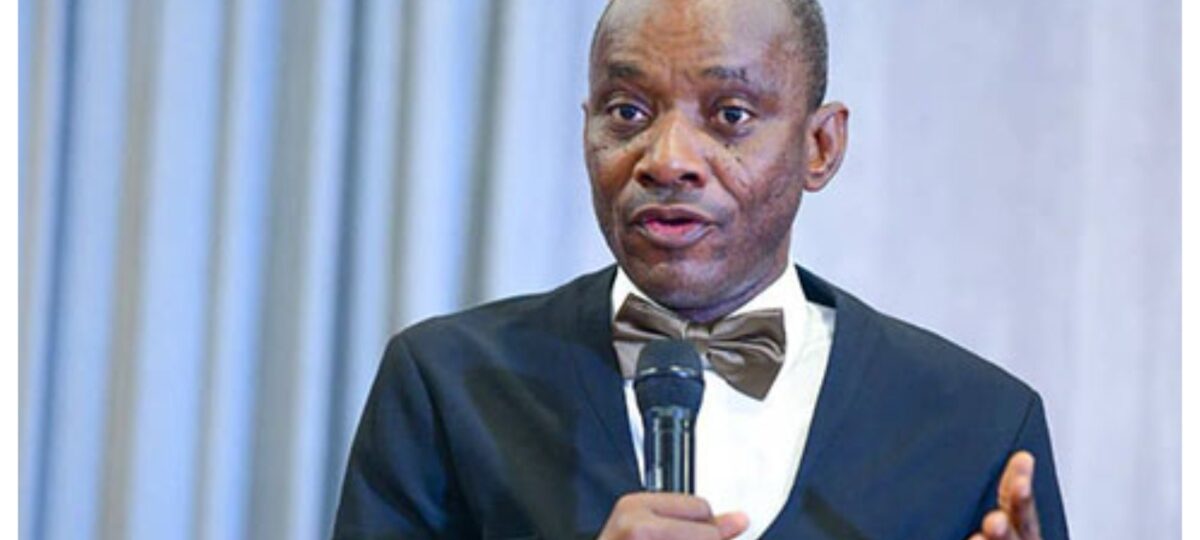
Sam Amadi, the Director of the Abuja School of Social and Political Thought, and the Chairman of the Independent Corrupt Practices and Other Related Offences Commission, Musa Aliyu, SAN, have spoken strongly against academic corruption in Nigerian universities.
They spoke on Thursday during an African anti-corruption programme which took place at the University of Abuja, now Yakubu Gowon University.
Speaking on the pervasiveness of academic corruption, Amadi said certificates and degrees from Nigeria no longer have value.
According to him, the Nigerian educational system has lost its value, noting that lecturers now become professors without merit.
He advised that Nigerian tertiary institutions should place premium and seriousness on stamping out corruption by tackling examination malpractice, sexual harassment and other corrupt activities.
“So the fact that we can’t trust the point of education, the fact that we can’t even trust the quality of our professors. So they become professors without going through the rigour and the proper standard. So essentially, it is just fitting the system; it creates a sense of entitlement, it creates a sense in which people don’t care about rules and also creates a sense in which people don’t care about production.
“That’s a major cause of loss of value in Nigeria.
“I think they should; I would say what steps they should take. They should be serious. First, professors who are involved in sexual harassment – that’s even the worst, sexual harassment, sex for grades – want to see more political punishment.
“Universities should also be rigorous in recruitment and discipline of their staff. So people become professors, just translating from maybe ministry, and then their friends give them professorial positions. The university should not be very rigorous to show that their staff, everybody, is properly vetted and also not qualified and removed from the syste
“And totally, I think we should review this structure of a military-based system, which means the best and the brightest are promoted and rewarded so that there will be a strong incentive for students to aspire. Today, leaders are living on that low aspiration. Nobody cares to work hard to make it,” he said.
On his part, the chairman of ICPC, Aliyu, in his presentation said corruption weakens public trust and denies Nigerians developmental opportunities.
Aliyu, represented by ICPC director of public education, Demola Bakare, stressed that Nigerians have to rally against academic corruption of all forms.
Also, the vice chancellor of UniAbuja, Prof. Hakeem Fawehinmi, represented by deputy vice chancellor administration, Prof. Mohammed Ndagi, noted academic corruption may not get the same attention as financial and political corruption, but their consequences are the same.
He emphasised the role of education in the fight against corruption.
“This corruption has continued into education. Our educational institutions should not be able to produce graduates; they should produce responsible citizens.
“Our educational institutions must receive the same attention as academic excellence, civic education, constitutional value, ethical leadership, financial responsibility, digital citizenship, and political integrity should be called on to protect our community and everyone there,” he said.
Similarly, a judge at Osun High Court and member of the Board of Trustees, African Initiative Against Corruption and Examination Malpractice, Justice Olamide Oloyede reiterated that Nigeria needs to recalibrate its national identity.
She said examination malpractice, like other forms of corruption, has continued to damage the country’s reputation in the community of nations.
Discover more from NAIRAVOICE.COM.NG
Subscribe to get the latest posts sent to your email.