
At a jubilant kickoff of New York City’s Pride weekend, we rolled up to a nightclub with a looming question: What’s the vibe around the corporate pullback from LGBTQ+ events?
As we stood next to one of the several bars at the club, a drag king waxed philosophic on inflation and gig-booking rates.
Every partygoer we questioned at the sold-out Gaydar Pride party had their own passionate response, breaking from eclectic cocktails and sweaty dancing to discuss the realities outside the club.
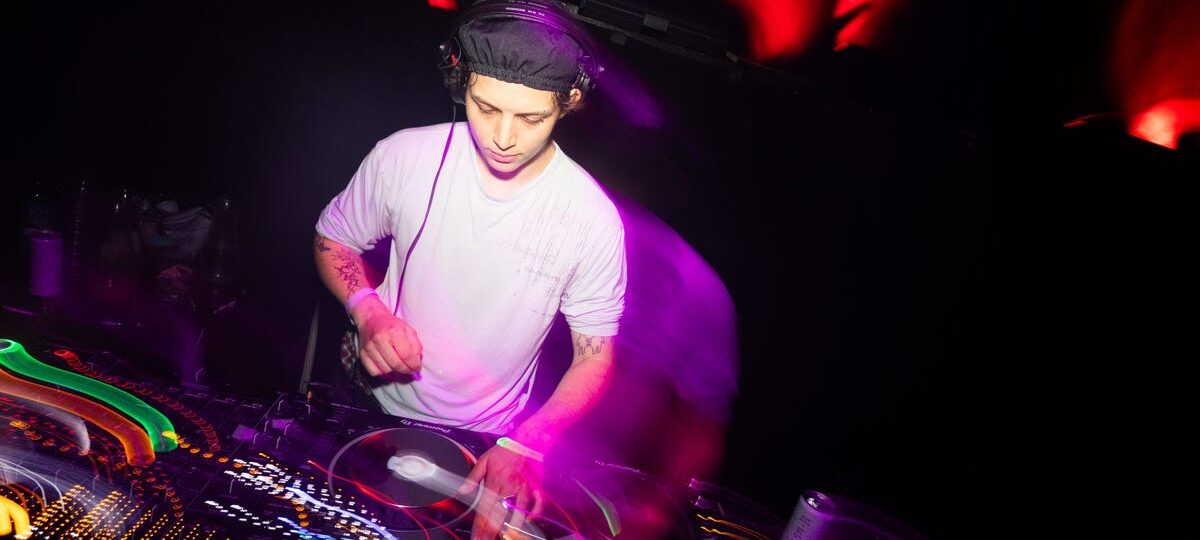
The event, held at the circus-themed House of Yes in Bushwick, Brooklyn, featured creators including Anania, host of the social media quiz show “Gaydar”; Michelladonna of Mad Realities’ “Shop Cats” show; and the creator-duo Grant Gibbs and Ashley Gill behind “Twink and Redhead.” There were constant moments of, “Wait, I think I know that person from TikTok.” Amid fake Grecian statues, heavy pours, and a pulsating DJ set that remixed the “Rugrats” theme song, partygoers were eager to get Pride weekend started.
Attendees hopped onstage to kiss, and the party went until 4 a.m.
The event was organized by Mutuals Media, the company that produces “Gaydar,” among other social media shows.
Founder and CEO Amelia Montooth said that the event brought together creators who have been on the show, along with industry peers and fans of Mutuals’ content, to party and “get to really be ourselves.” Amid that festive backdrop, guests answered our questions about weighty topics.
The role of corporations and money in Pride has long been contentious.
The tension has come into strong relief over the past two years, as the federal government cracked down on DEI and corporations pulled back on sponsorships.
That’s meant reduced funding for Pride festivities across the country, and, in some cases, outright cancellations. “People have been squeezed in so many ways,” Montooth said — out of public life, but also financially.
Even bright-blue New York City has felt it.
An older trans partygoer in the automotive industry said that she’s closeted at her job.
She said her boss understands who she is, but that it wouldn’t fly in client-facing meetings.
The share of Americans who think gay relations are morally acceptable has fallen from a high of 71% in 2022 to 62% in 2026, according to Gallup.
Creator Giovanni Luciano, whose following grew rapidly on TikTok and Instagram over the last year, said corporate pride has “always been a gimmick.” On the whole, LGBTQ+ adults share a similar sentiment: 68% surveyed by Pew Research believe that all or most corporate organizations that promote Pride month do so because they think it will help their business; meanwhile, 42% think only a few or no organizations promote it because they have a “genuine desire” to celebrate LGBTQ+ people.
Montooth said that, overall, she’s seen brands shift their tune on sponsoring LGBTQ+ content in recent years — including Pride.
In 2025, 39% of companies planned to pull back on Pride-related engagements, per a survey of executives by research firm Gravity Research.
No companies reported increasing their engagement, and executives cited the current presidential administration as the most prominent reason for rethinking their strategies.
This year, particularly, Gaydar saw a slow start to brand partnerships, Montooth said.
Still, Mutuals Media is securing deals this year with brands like Ulta, while last year it worked with companies like Netflix, Hinge, and skincare brand Dieux.
Mutuals Media also secured an alcohol sponsor to help offset some of the costs of the Pride party.
Despite a sold-out venue full of eager partygoers, Mutuals Media isn’t immune to the changing tides around financial support for Pride or LGBTQ+ media more broadly.
There are hurdles Montooth faces running shows like Gaydar, such as some brands shying away from sponsoring episodes because they deem the show brand unsafe, which Montooth said is “frustrating.” “People interpret queerness as riskier” or “more scandalous” than heterosexual content, she added.
Brands might also selectively reach out for Pride month.
That can cause some creators, like the team at Gaydar, to pack in short-term deals for June, when longer-term deals are preferred.
And even after a blockbuster Pride celebration — the weekend’s Pride march drew over 2 million spectators, according to organizers — economic concerns still loom. “Now that Pride’s over, are we going to get any more brand deals?” Montooth asked. “Is anyone going to talk to us again?
Because it feels like the only brands who did anything with queer people did all of it during Pride — and most of the brands just didn’t do anything at all.”
Discover more from NAIRAVOICE.COM.NG
Subscribe to get the latest posts sent to your email.