
…Women, youths, PWDs remain excluded from investment opportunities — Stakeholders
By Juliet Umeh
Stakeholders in Nigeria’s investment ecosystem have raised concerns over the slow pace of inclusive financing in the country, revealing that only $1.25 billion has been deployed out of the $8 billion commitment targeted for gender and social inclusion investments by 2035.
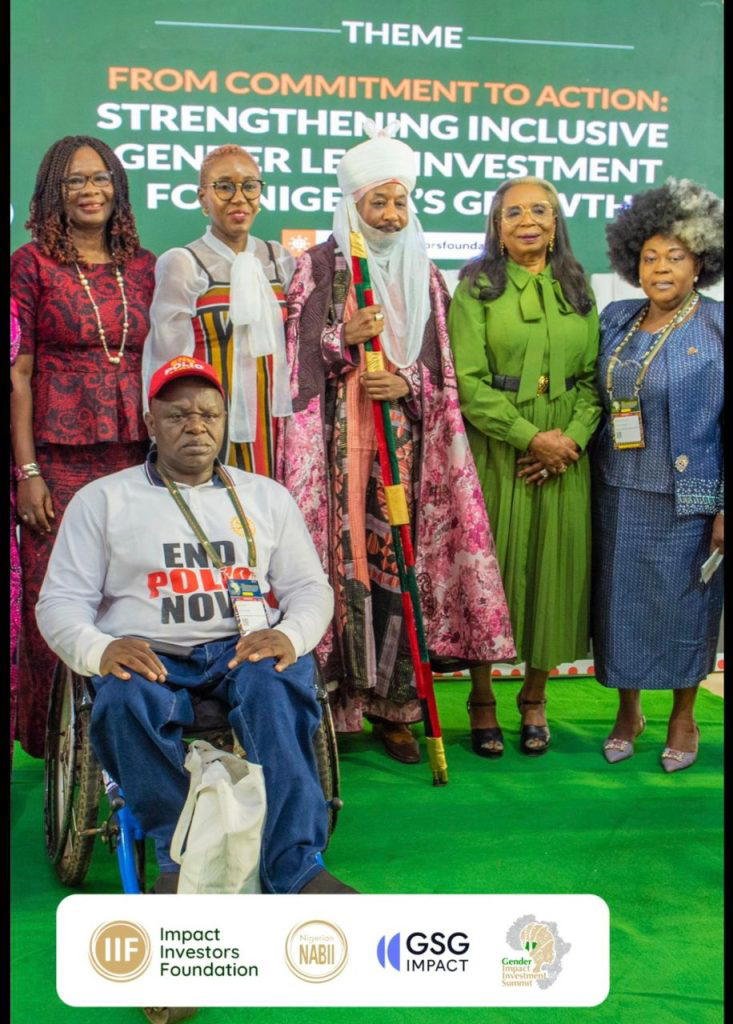
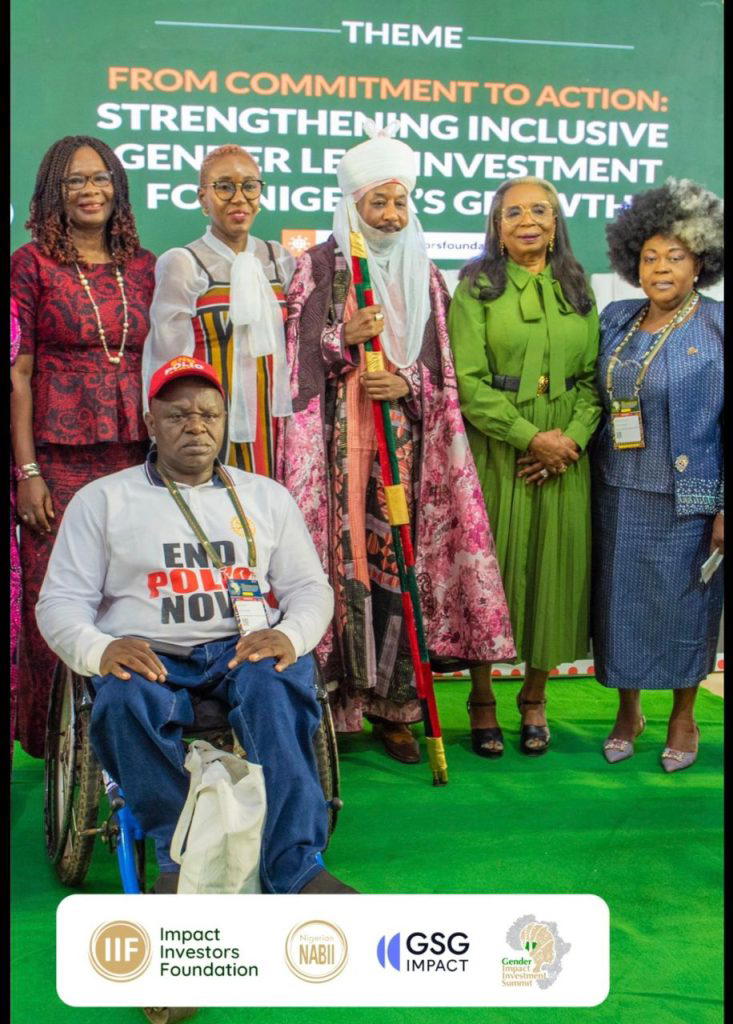
The disclosure was made Thursday at the 4th Gender Impact Investment Summit held in Lagos, where investors, policymakers, financial institutions and development partners warned that Nigeria’s widening inclusion gap could weaken national productivity and economic growth.
According to stakeholders, the country currently faces a $6.75 billion funding shortfall in efforts aimed at expanding access to capital for women, youths and persons living with disabilities, PWDs.
They stressed that despite increasing conversations around inclusion, millions of vulnerable Nigerians remain locked out of economic opportunities due to weak implementation of gender-focused investment policies and limited access to finance.
Presenting findings from the Inclusive Capital Scorecard: GESI Baseline Survey, stakeholders said the report exposed major structural gaps within Nigeria’s gender equity and social inclusion ecosystem.
Speaking at the summit, Etemore Glover said the event’s theme, “From Commitments to Action: Strengthening Inclusive Gender-Lensed Investment for Nigeria’s Growth,” reflected the need for practical steps toward inclusive economic participation.
“We realised that if Nigeria must achieve inclusive growth, then access to finance for these categories must be addressed deliberately,” Glover said.
According to the report, while 91 percent of organisations surveyed claimed alignment with Gender Equality and Social Inclusion, GESI, objectives, only 41 percent have formal GESI policies in place.
The report further showed that women occupy just 22 percent of leadership positions across surveyed institutions, below the 40 percent benchmark set by stakeholders.
It also revealed that only five per cent of inclusion-focused interventions specifically target persons living with disabilities.
Stakeholders identified weak policy enforcement, poor accountability systems and low domestic capital participation as key obstacles limiting inclusive investment growth in Nigeria.
The report further indicated that only 12 per cent of domestic capital pools have been aggregated into inclusive investment vehicles, while just two formal GESI policies have been adopted across surveyed organisations.
Vice Chair of the Global Steering Group for Impact Investment, Ibukun Awosika, said inclusion should be viewed as an economic imperative rather than a social campaign.
“This is not just about the girl-child. This is about how we strategically invest in 50 per cent of our population to unlock growth for our economy and nation,” she said.
Awosika warned that continued exclusion of women from access to finance and leadership opportunities would slow Nigeria’s economic advancement.
Also speaking, former Governor of the Central Bank of Nigeria and Emir of Kano, Muhammadu Sanusi II, blamed the slow progress in gender inclusion on weak political commitment.
“In this country, I have never seen a political cycle where gender equality was treated as a core campaign issue,” he said.
Sanusi recalled reforms introduced during his tenure as CBN governor to improve female representation in the banking industry, noting that deliberate policy interventions helped increase the emergence of female bank CEOs in Nigeria.
“These things do not happen by accident. They happen because policies were deliberately designed to create inclusion,” he added.
The summit also featured investment deal rooms connecting women-led businesses with investors, alongside exhibitions by enterprises owned by women, youths and persons living with disabilities.
Participants agreed that unless Nigeria urgently strengthens accountability systems and closes existing inclusion gaps, the country could miss significant economic opportunities needed for sustainable growth.
The post Only $1.25bn deployed as Nigeria battles $6.75bn inclusive finance gap appeared first on Vanguard News.
Discover more from NAIRAVOICE.COM.NG
Subscribe to get the latest posts sent to your email.

![Police allegedly arrest OK Movement coordinator, teargas Peter Obi supporters in Uyo [VIDEO]](https://www.nairavoice.com.ng/wp-content/uploads/2026/10/nv-img-888ff3d1c5977b30890cff33305000cd-600x340.jpg)