
The situation has become so dicey that Microsoft CEO Satya Nadella recently recommended the book “1873” during his latest earnings call. It’s about the railroad-era financial engineering that crashed the nation’s economy.
The risk is that today’s AI boom, where demand far outstrips capacity, doesn’t continue for much longer. Rather than being in the early innings, what if enterprises and consumers temper AI usage? Or new technologies come along to make existing infrastructure more effective and/or all of today’s AI infrastructure obsolete?
Then, like so many buggy whips in the face of automobiles (to paraphrase Danny Devito’s Lawrence Garfield), demand dries up and everything crashes.
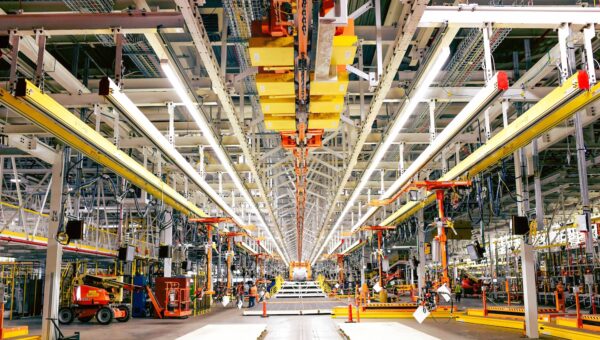
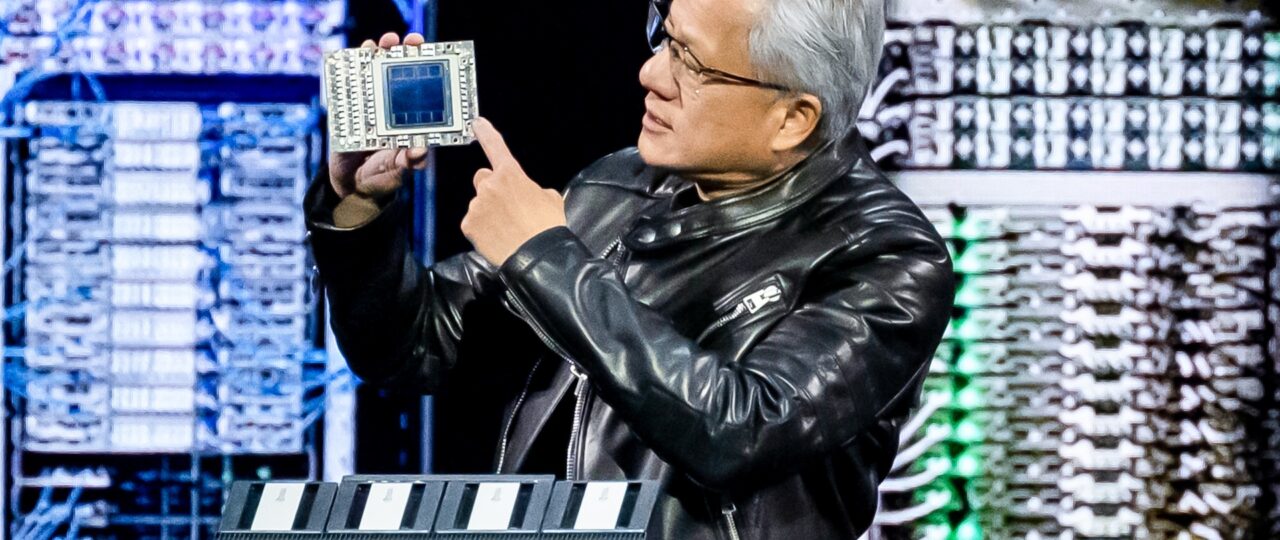
Yet, Huang is arguing that won’t happen by selling a vision of AI as a long-term “investable infrastructure,” as he describes it. That makes his AI servers, which he calls “AI factories” akin to railroads or airlines rather than quickly depreciating assets like PCs.
“When needs change, the factory can be used by another customer, another cloud or another operator. This broad ecosystem gives NVIDIA compute a deep market of potential users and offtakers, helping protect residual value,” he promised.
In that future, Nvidia cares as much about aging architecture as it does the new chips. And perhaps startups, enterprises, and even researchers will tap into a broader variety of hardware, each tuned to different AI needs, just like they are beginning to pick affordable open-weight models alongside the frontier choices.
As the king of AI, Nvidia has the power, and the window of opportunity, to make that happen.
Discover more from NAIRAVOICE.COM.NG
Subscribe to get the latest posts sent to your email.