

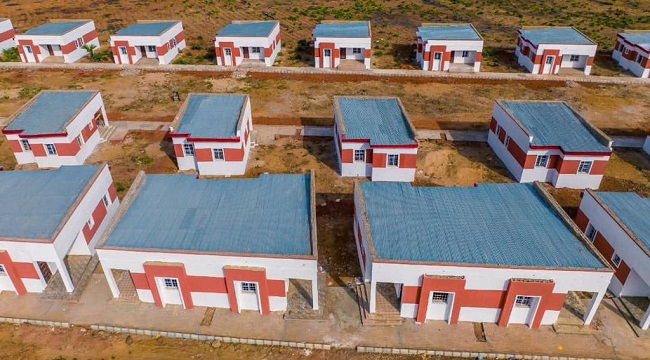
According to him, the situation is more severe because an additional 15.2 million homes nationwide have been identified as structurally defective or substandard, bringing the country’s effective housing shortage close to 28 million units.
He noted that the growing deficit poses serious threats to urban development, economic growth, and social stability, particularly in rapidly expanding cities such as Lagos.
The commissioner said Lagos, with an estimated population of over 17.8 million and an annual growth rate of nearly 3.8 per cent, remains the epicentre of housing demand in Nigeria.
He explained that rapid urbanisation, rural-urban migration, and limited landmass have continued to worsen the housing shortage in the state, which independent reports estimate at over 3.3 million units.
According to him, the shortage is most severe in the low and middle-income housing categories, where affordability remains a major challenge for many residents.
Akinderu-Fatai, however, said both the Federal Government and Lagos State Government had intensified efforts to tackle the crisis through policy reforms, housing schemes, and strategic partnerships with the private sector.
He highlighted the Federal Government’s intervention programmes, including the Ministry of Finance Incorporated Real Estate Investment Fund (MREIF), which offers mortgage financing at a single-digit interest rate of 9.75 per cent with repayment periods of up to 20 years.
The commissioner also disclosed that the Lagos State Government had delivered 10,623 housing units in the last seven years through direct funding and Public-Private Partnerships, adding that ongoing projects are expected to increase the figure to over 14,000 units before the end of 2026.
He said the state government remains committed to reducing barriers to home ownership and increasing the supply of affordable housing across Lagos.
Akinderu-Fatai added that the administration’s housing initiatives were not only addressing accommodation challenges but also creating jobs and stimulating economic activities within the construction and real estate sectors.
Discover more from NAIRAVOICE.COM.NG
Subscribe to get the latest posts sent to your email.