
My heart flutters every time I spot a unique vintage treasure in the tchotchke aisle at the thrift store.
But then I realize it has a chip or a crack, so I decide to put it back.
The object may have sentimental value, but it’s not a match for my vintage shop, where I always try to feature high-quality items that have survived the test of time.
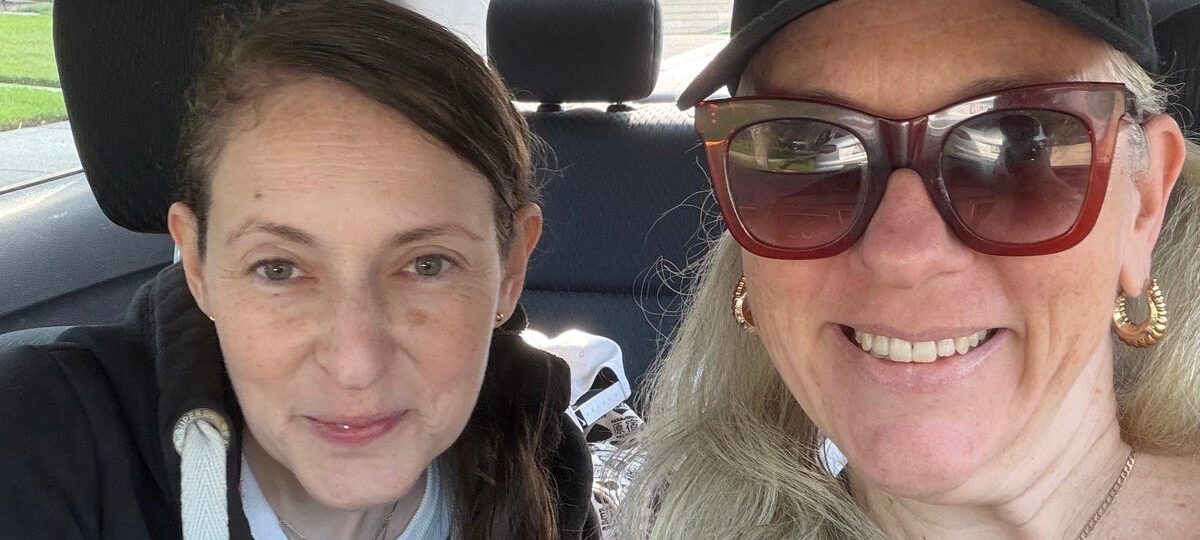
When my younger sister, Hillary, and I turned our love for vintage collecting into a small business nearly three years ago, we had no idea how hard it would be or how long it would take to sell a single vintage item.
Most people think it’s as simple as plucking an item, taking a few photos, crafting a savvy title, and plopping it on a platform.
But there’s way more that goes into running our tiny online vintage shop.
We had to figure out the best places to source great items, how to navigate moody markets, how to do deep-dive historical research, how to clean and restore fragile pieces, how to set up systems, how to determine the value of our vintage objects, and, most importantly, how to learn to tell their stories.
To source great items for the shop, Travel Far Now Vintage, my sister and I love a good thrift haul, estate sale dig, antique mall stroll, or flea market frenzy.
But in the early days of selling vintage items, we started with the stuff in our own childhood home.
Our mother collected all kinds of objects, from porcelain flowers to royal portraits in filigree frames, and we didn’t know quite what to do with them all when she died.
We were excited to discover a vast online world of collectors seeking niche nostalgia.
As the shop grew, we widened and diversified our search.
We learned that consistency is key.
These days, we source items three to five times a week.
This work has led us into all kinds of scenarios: scaling mold-infested shelves, digging deep into dusty boxes, and sorting through basement barrels.
Sometimes we walk away with a bundle of goodies.
But we always shop with criteria for what we’re looking for and how much we’re willing to spend.
We consider the item’s quality, rarity, and what we paid for it.
Within an ecosystem of secondhand goods at increasingly competitive prices, we determine the price of an item based on the current market.
We sometimes research the “sold rate” of similar items, but that’s not always accurate as trends change.
I try to land on a price that accurately reflects the value of the item itself, as well as all the hidden labor that goes into presenting it.
This includes digging in chaotic environments, restoring objects, researching their histories, telling their stories in listings, and promoting them on social media.
The price of an item also includes costs like gas, shipping, and packing supplies, as well as platform fees and ads.
This usually means there’s a markup over the original price — sometimes more or less — depending on the object’s rarity as a collector’s item.
At a recent estate sale, I picked up a vintage paperback of Jack Kerouac’s “The Dharma Bums,” a mid-century classic popular among Beat Generation collectors.
I bought it for a very reasonable price in great condition.
The demand for a rare item like this allows for a higher markup, and I’m OK with that.
It makes me happy to know this book will find its way into the hands of someone who will truly appreciate it.
Some people may consider this to be taking advantage of someone else’s loss or lack of knowledge.
When I buy or sell vintage items, I value integrity, fairness, and transparency on both sides.
But this work is about finding gems in the junk, reviving objects that might otherwise be overlooked or tossed.
I store and care for these items and then connect them with people who value them.
The markup reflects that work as much as it reflects the item’s scarcity or market value.
It’s impossible to sell vintage online without hearing complaints that Goodwill and other thrift stores are driving up vintage prices.
But all the stuff people don’t want anymore has to go somewhere — and that, too, comes at a cost.
Like any other business, charity shops, antique malls, and flea markets must calculate the costs of storing, cleaning, and selling these items.
My sister and I entered the vintage reselling world as grieving daughters and remain as enthusiastic storytellers — eager to connect people with vintage items that bring them joy.
We factor in all the invisible work that goes into this business, but ultimately it’s a labor of love.
Discover more from NAIRAVOICE.COM.NG
Subscribe to get the latest posts sent to your email.