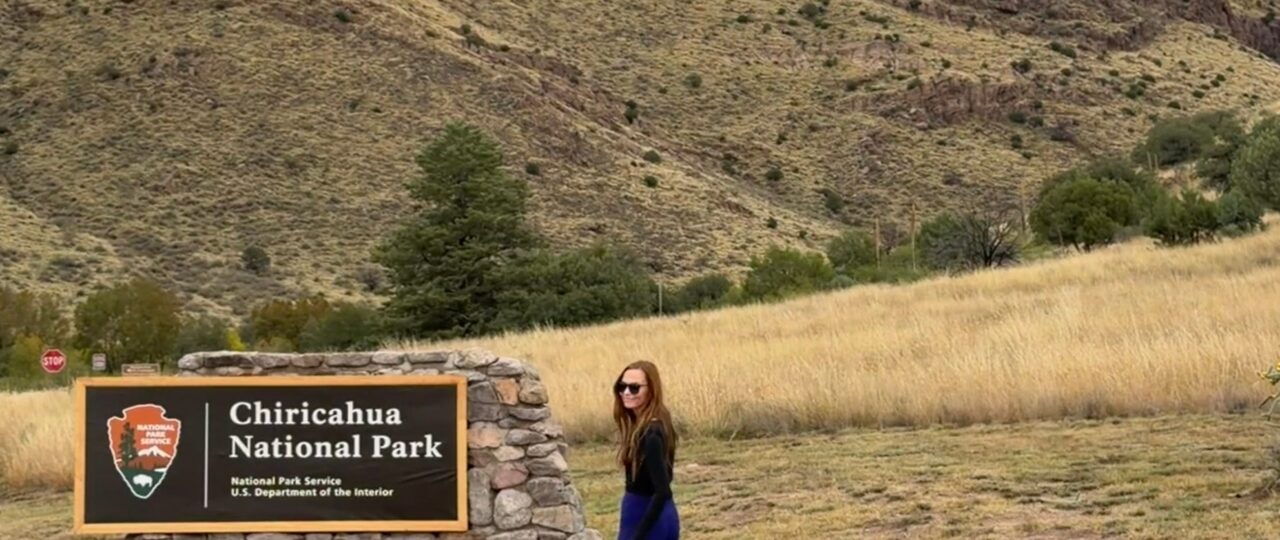

- Chiricahua was recently upgraded from a national monument to a national park.
- Its breathtaking landscapes and remote location made it a unique and memorable trip.
In 2024, after a decade of striving, I achieved my goal of visiting all 63 major US national parks solo. Then — plot twist — on October 20, 2026, another National Park Service site was redesignated from “national monument” to “national park”.
The park is located in southeastern Arizona.
Located in the remote southeastern corner of Arizona, Chiricahua National Park is about 120 miles southeast of Tucson.
Chiricahua National Park has a rich history.
Long before it became a national monument, the area was home to the Chiricahua Apache, who called its striking formations “The Land of Standing-Up Rocks.”
In the late 1800s, Swedish immigrants Neil and Emma Erickson settled in Bonita Canyon. Their daughter, Lillian, helped turn the family property, Faraway Ranch, into a guest ranch before expanding the operation with her husband, Ed Riggs.
They welcomed visitors who wanted to explore the unusual rock formations, helping introduce more people to the area and subsequently advocating to protect the landscape, which eventually became Chiricahua National Monument in 1924.
And now? It’s the newest major US national park.
During my visit, there was no line at the entrance station and the park was free to enter.
One of the first things that stood out to me about Chiricahua was how different the experience of visiting felt. Unlike some of the country’s most popular national parks, there were no entrance lines, traffic backups, or crowds competing for parking.
The park is free to enter and relatively small — the fourth-smallest national park by land area at 12,025 acres — making it possible to see quite a bit in a single day.
Of course, that could change as the new designation brings more attention to this corner of Arizona.
The landscape was unlike that of any other national park I’ve visited.
I didn’t really know what to expect from Chiricahua before visiting, but I quickly realized the landscape was unlike that of any other park I had visited.
As the towering rhyolite rock pinnacles came into view — even under the morning cloud cover — I was instantly in awe. The scale of the formations is hard to describe, or even take in from the car.
After hiking down among them, I was even more impressed. Some of the formations reminded me of the hoodoos at Bryce Canyon National Park, but the color, shapes, and sheer density of the rock towers made Chiricahua feel entirely its own.
The best way to experience the park is on foot.
I recommend starting with the short but scenic half-mile Massai Point Nature Trail. From there, you can continue to the Ed Riggs Trail, which connects to many other trails in the park and the longer, popular Echo Canyon Trail.
Seeing the unique rock formations from below the canyon was otherworldly.
In my opinion, Chiricahua is worth visiting, but there are a few things to know before arriving.
Although I definitely recommend visiting Chiricahua National Park, there are a few things to keep in mind before you go.
For example, although the park has been a national monument for over 100 years, it hasn’t seen high visitation, with just 70,406 people entering the park in 2025. For perspective, the top 10 most-visited national parks each have yearly visitation numbers over 3 million.
Due to this, the infrastructure, like parking lots, is smaller and could become more crowded now due to the park’s new status.
Plus, because of its smaller size and more remote location, it doesn’t have the services or amenities a visitor might be used to. Unlike in some of the more popular parks, you won’t find a long list of restaurants, lodging options, fuel, or visitor services nearby.
So, I recommend planning ahead and bringing snacks, especially if you’re visiting for more than a day.
Read the original article on Business Insider
Discover more from NAIRAVOICE.COM.NG
Subscribe to get the latest posts sent to your email.