I tried avoiding the high costs of IVF for as long as possible.
Instead, I tried a less expensive fertility treatment.
Within a year, I spent thousands on failed attempts, acupuncture, and supplements — not to mention the dozens of hourlong subway rides to and from appointments.
That was all before I learned that New York State offers public assistance for IVF and other fertility treatments.
I started trying to get pregnant in the summer of 2023.
I don’t have a partner, and I didn’t want to ask a friend to donate sperm, so I knew I’d need fertility treatments, like IVF or IUI.
I’d be paying out of pocket because I buy health insurance through the healthcare marketplace, and the plan I was on did not include fertility.
The process started with fertility testing and screenings.
I paid about $1,000 out of pocket for these.
When I got the go-ahead that my body was healthy, I decided to try intrauterine insemination (IUI).
It’s a less invasive procedure that costs about $2,200 in my area — which is significantly cheaper than a complete IVF cycle in the US, which can cost anywhere from $18,000 to $30,000.
IUI has significantly lower success rates, but I felt OK with gambling $2,200 to potentially avoid spending much more on IVF.
Instead of getting pregnant, I developed cysts, a common side effect of the medication I was on to stimulate ovulation.
I didn’t try again right away and focused instead on improving my egg quality through acupuncture and supplements, which several friends suggested based on their experiences.
Over the next year, I spent about $4,300 on three IUIs.
After my fourth failed attempt, I decided it was time to try IVF.
The day before starting medications for IVF, the charges hit my credit card: $24,200 to cover the procedure, plus $5,658.92 in medications.
If it all went according to plan, I’d later pay around $7,000, plus the cost of more medications, for an embryo transfer.
My doctor recommended I start with seven days of shots.
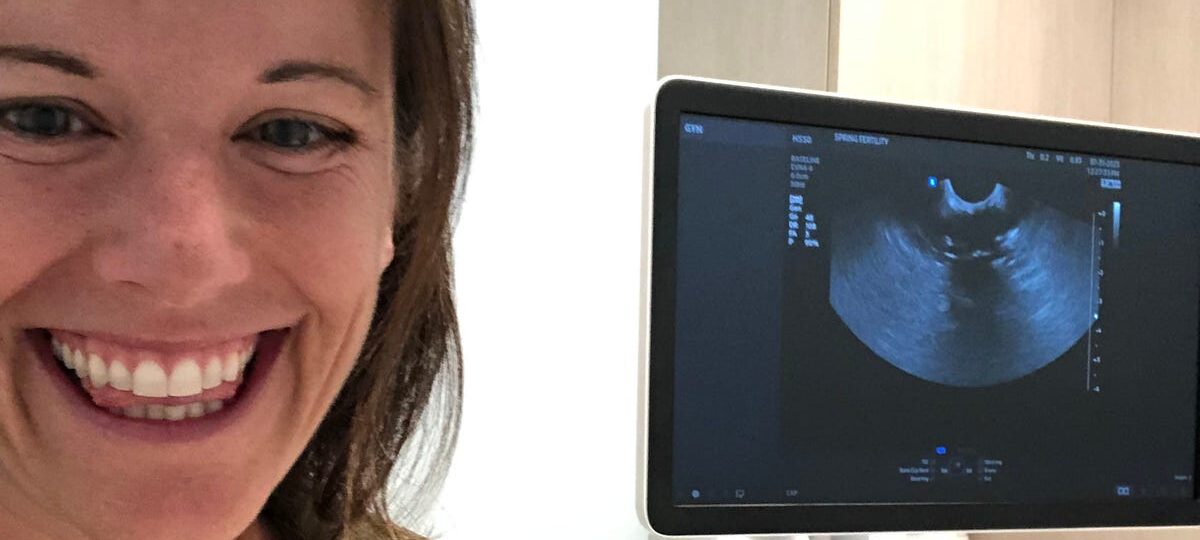
On the eighth day, I went in for my first monitoring appointment to see how my body was responding to the medication.
Then, she looked at the number of follicles in my uterus.
My usual count had been eight to 10, according to test results.
My mind went blank and also raced, albeit in slow motion.
How could I have two, after all these hormone shots?
Was it even worth attempting an egg extraction if we’d get at most two eggs?
Before leaving the room, the doctor suggested we cancel the cycle and said the finance office would refund me for the procedure.
I don’t know if this happens often, but I appreciated and accepted her offer.
I left the appointment in a complete fog.
The clinic’s office is in Midtown, above Times Square.
I texted my acupuncturist because she felt like a teammate in all of this.
She said to come in, so I walked there — 40 blocks.
As she consoled me, she encouraged me to call one more doctor at Weill Cornell.
That afternoon, I called to make an initial appointment.
The receptionist said it would be $750.
I told her what I’ve already been through, and she then asked if I make less than $200,000 a year.
She suggested I apply for a state fertility grant — something I didn’t even know existed.
Through Weill Cornell, I found out that New York State offers a grant for fertility treatments.
There are criteria, including household income of less than $200,000, having insurance that does not cover fertility treatments, and living in the state of New York.
The amount of support is based on your previous year’s income.
I learned about the grant in early October.
It took legwork to get everything in order, but I finally got the grant, which would share the costs of IVF.
In mid-November, I started my first full cycle with my new doctor.
Including medication and embryo transfer, it cost me about $7,500 — not including the cost of sperm.
About nine months later, I had a healthy baby girl.
Whether the success was luck, my lower stress levels, or my new doctor’s expertise, I don’t know.
But I know that if I choose to attempt to have another child, I will try to do so at the same clinic by applying to the same grant.
I only wish I’d known about the public grant first instead of avoiding IVF for so long.
Discover more from NAIRAVOICE.COM.NG
Subscribe to get the latest posts sent to your email.