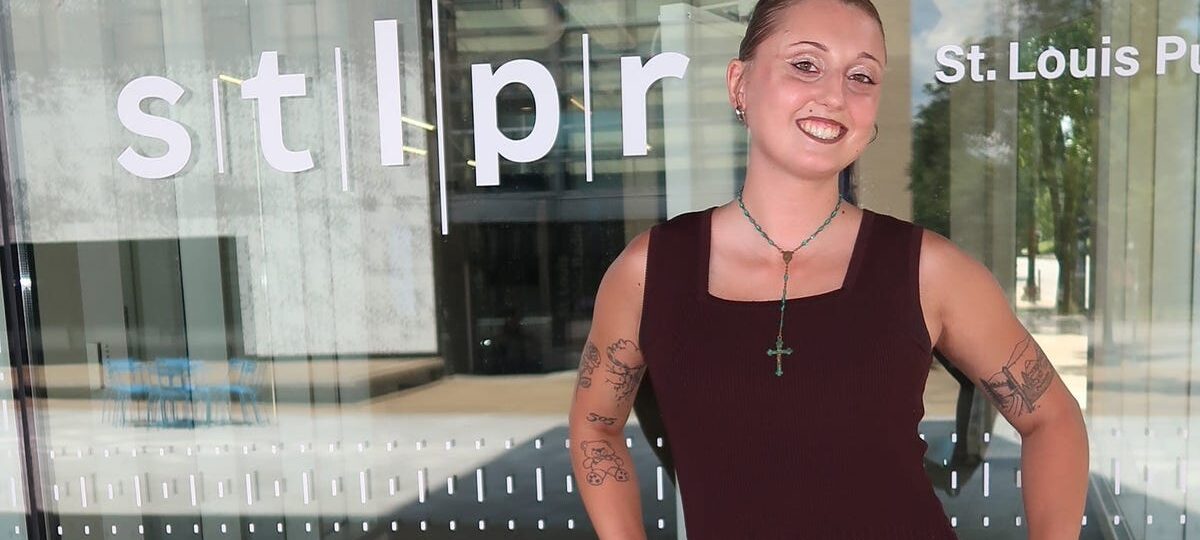
This as-told-to essay is based on a conversation with Hannah Valentine, 25, cofounder of Drop Soda Market, a monthly vintage market.
The conversation has been edited for length and clarity.
I graduated from Lindenwood University with no student loan debt.
After scholarships, my tuition cost about $4,000 to $6,000 a semester, and I paid for the final three years of my degree by reselling vintage clothes.
I started selling used clothes on Depop in 2017 as a sophomore in high school.
At first, I listed pieces from my own closet that I no longer wore.
They sold faster than I expected, so I started buying inventory from thrift stores and reselling it online.
I was already used to shopping secondhand because I was raised thrifting.
Even now, after moving into my own apartment, almost everything in it — my couch, coffee table, side tables, entertainment center, and most of my furniture — is secondhand.
Since graduating, I’ve been able to devote more time to the business, and I’ve made about $48,000 in gross revenue so far this year.
I spend about 12 hours a day sourcing vintage inventory, washing and repairing clothes, organizing pop-up markets, creating social media posts, and getting ready for the next event.
I don’t rely on Depop the way I used to.
About 98% of my income now comes from pop-up vintage markets because I’ve found they’re a better use of my time.
During market season, I usually have one to three pop-up markets every weekend, where I can sell as many as 250 pieces in a day.
I typically price clothing between $20 and $30 an item.
I try not to price anything below $20 because I spend time washing, repairing, and restoring many of the pieces before I sell them.
Some of the clothes I find have stains, rips, or missing buttons, but I see their potential.
I’ll sew hems, replace buttons, repair zippers, and patch holes.
I have over 1,000 pieces of inventory at any given time, which I keep in my studio.
It takes up every waking moment, but I love running my own business, and I wouldn’t have it any other way.
I shop at garage sales, browse Facebook Marketplace, and sometimes get clothing from family friends, but I source most of my inventory from Goodwill Outlet stores.
You never know what you’ll find in the bins at Goodwill.
Sometimes I come across used diapers and bloody towels, so I always wear gloves.
It’s not the most glamorous part of the job, but digging through all of it is part of finding the pieces worth saving.
Goodwill charges by weight, which is now about $2.09 a pound.
I remember when it cost less than $2 a pound, but like everything else, sourcing inventory has gotten more expensive.
Booth fees, which usually cost between $500 to $800, are my next biggest expense, especially when I travel.
When I drove to a market in Memphis recently, I paid for a booth, gas, a hotel, and enough inventory to stock it, which added up to about $1,000 before I made my first sale.
Every trip is a calculation: Will I break even?
One of the biggest lessons I’ve learned is that knowing what will sell isn’t something you gain overnight.
It’s knowledge that comes from spending years looking through racks of clothing.
One of my favorite brands to find is old Forever 21.
Most people think of it as a modern fast-fashion retailer, but I love the pieces it made in the late 1990s and early 2000s.
I also look for brands like XOXO, Bebe, Juicy Couture, Baby Phat, and Ed Hardy.
One of my best finds came from Facebook Marketplace, where I spotted a blurry listing for a vintage Donnybrook coat priced at $40, in great condition.
The coat was especially sought after because Rihanna had worn the same style, so I displayed a photo of her wearing it alongside the coat at my booth.
I sold it for $450 at a vintage market in Detroit.
I’ve seen firsthand how much clothing is already out there.
At the Goodwill Outlet stores, there are bales of clothes waiting to be put out.
Some people may be intimidated by reselling or think it’s something that’s gatekept, but I think the opposite: We need more people finding homes for clothes that already exist.
That’s why I encourage people to shop secondhand whenever they can.
Vintage isn’t the only option — there are plenty of secondhand clothes that are practically new — and every purchase helps keep clothing in circulation instead of creating more waste.
Discover more from NAIRAVOICE.COM.NG
Subscribe to get the latest posts sent to your email.