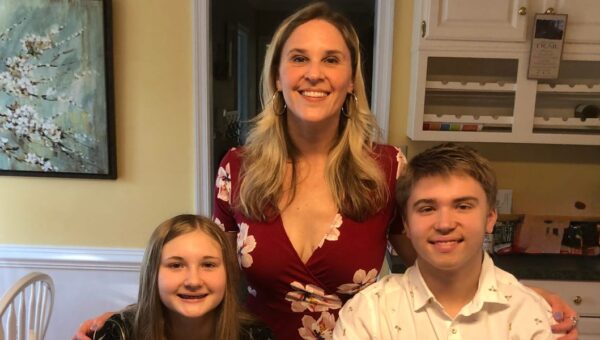


This as-told-to essay is based on a conversation with Jack Nguyen, a Deloitte employee in his 40s, living in Virginia.
He previously worked for Amazon before being laid off in January.
The following has been edited for length and clarity.
In January, I learned that I’d been laid off from my engineering role at Amazon.
After spending more than seven years at the company across two stints, it was pretty surprising, but also not surprising, at the same time.
I’d already been somewhat concerned about my job security, particularly after the company’s big layoffs in 2023.
While some of the teams we worked closely with were affected by the layoff, my team made it through unscathed, which was encouraging.
The company’s five-day return-to-office mandate, announced in late 2024, felt like a “soft layoff” — a way to encourage people to leave on their own.
It made me think Amazon might be trying to reduce headcount.
After being laid off, I started looking for work after about a week.
I thought about taking more time to recharge since I was still receiving my garden leave paychecks and knew severance was coming.
However, you never know how long a job search will take, so I decided to get started right away.
Once I experienced the job market firsthand, it felt like the right decision.
Business Insider is speaking with workers who’ve found themselves at a corporate crossroads — whether due to a layoff, resignation, job search, or shifting workplace expectations.
Share your story by filling out this form.
I joined Amazon in 2017 as an IT support engineer based in Arlington, Virginia.
In 2021, I left for a support engineering role at a cybersecurity company after feeling like I’d hit a ceiling on my compensation at Amazon.
But less than a year later, I came across an engineering role at Amazon on a brand-new team.
I saw the position as an opportunity for career growth.
After going through the interview process, I received an offer and returned to Amazon in 2022 — less than a year after leaving the company.
For the first couple of years after I returned, things went really well.
It felt like a new challenge; the job required long hours at times, so it could definitely be stressful, but overall, I enjoyed it.
Over time, though, job security concerns from layoff announcements and adapting to return-to-office mandates made the experience more challenging.
In the beginning, I was still working fully remotely because there wasn’t yet an office requirement.
Then, in 2023, Amazon announced that employees would be expected to work from the office three days a week, and in late 2024 came the announcement of the five-day return-to-office mandate.
During my first stint at the company, different organizations and managers seemed to have a lot of flexibility in deciding whether employees had to come into the office.
This time, the policy came from the top and applied across the company.
A lot of employees weren’t happy about it.
My family had bought a home farther from Amazon’s offices for more space and better schools, so moving closer to the office wasn’t an attractive option.
My commute was about an hour and a half each way on public transit, which became part of the tradeoff.
In my last year at Amazon, the company added a shuttle service that cut my commute to about an hour, which helped, but I still had two kids and a family to get home to every evening, so it was difficult.
By the time I was laid off, I knew I wanted my next role to offer more flexibility than Amazon’s five-day office mandate.
As I began looking for work, I found the job market quite challenging.
I was competing with more candidates, getting ghosted after applying, and it felt like more companies were using AI to screen résumés before a person ever saw them.
In previous job searches, I could simply update my LinkedIn profile to say I was open to work, update my résumé, and submit cold applications.
During this job search, most of the interviews I landed early on came through referrals or people in my network.
One strategy that I believe helped me was posting about my layoff on LinkedIn.
The post helped connect me with someone who referred me for an engineering role as a project delivery specialist at Deloitte.
I was interested because it offered the chance to stay in engineering while doing something different from my role at Amazon.
In March, after a few rounds of interviews, I landed the job.
I’m now in a much more customer-facing role, helping clients achieve their business goals.
My in-office schedule depends on the needs of the client I’m supporting, but overall, I’ve found the company to be much more flexible about office attendance, which has allowed me to spend more time with my family.
My advice for other job seekers is to rely on your network.
It’s hard enough to find a role by blindly applying online.
Reach out to people you know, ask for referrals when you can, and keep building your skills so you can market yourself more effectively.
Reach out to the reporter via email at jzinkula@businessinsider.com, or via Signal at jzinkula.29.
Discover more from NAIRAVOICE.COM.NG
Subscribe to get the latest posts sent to your email.