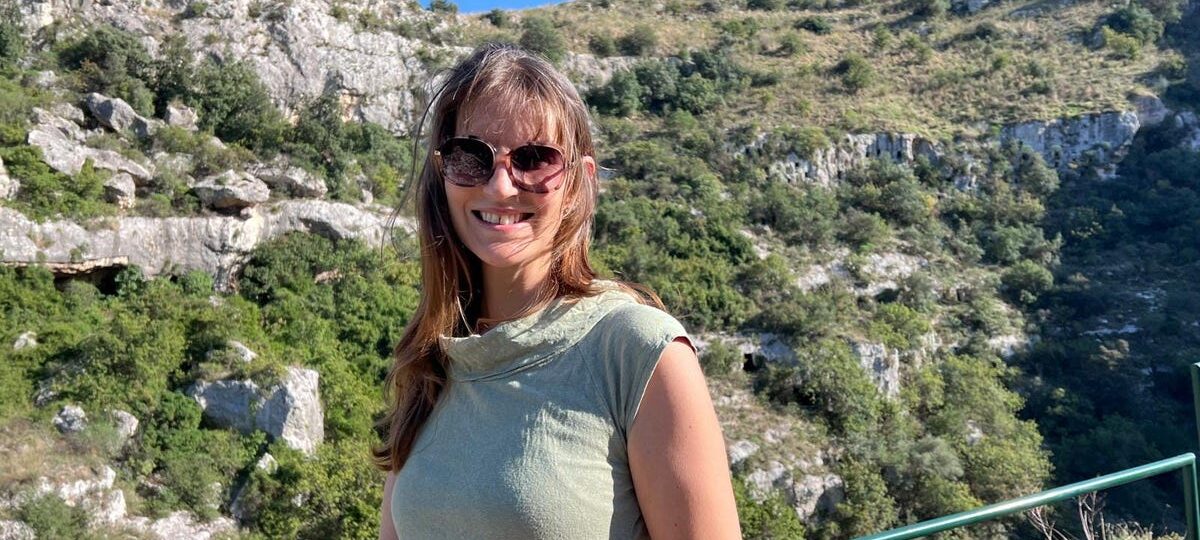
I recently walked into the macelleria in our Sicilian village — a combo butcher, deli, and corner store — and started babbling excitedly that my favorite cheese was back in stock.
One of the owners joked in Italian that “Camellia moved here just for the food.” She wasn’t completely wrong.
After 20 years in New York City, my husband and I moved to a small town in Italy for some of the more classic reasons: quality food, a slower pace of life, and community-oriented culture.
Now that we’ve lived here for nearly three years, though, we’ve also experienced the reality behind the tourism taglines.
Our village has its own rhythm — one I’ve learned to appreciate, even when it’s pushed me to change and adapt.
Buying food here looks very different from the way we shopped in the US.
With no large grocery store within a 40-minute walk, we shop hyper-local.
This includes the macelleria, weekly outdoor market, and vendors who drive our narrow streets selling fruit, vegetables, eggs, fish, fresh bread, and more.
Each truck passes by only on certain days and times — and the schedule isn’t written down.
We’ve now gotten to know local vendors and farmers, and we message them in advance to find out what’s available.
We eat what’s in season, like broccoli and citrus in winter, or melon with prosciutto in summer.
Some specialties, like prickly pears, fresh figs, and wild asparagus, are only available for a few weeks each year.
This hyper-local food delivery system can be a lifesaver, too, if you have limited mobility.
Our older neighbors lean out their balconies to call down orders for eggs and artichokes.
If you’re trying to pack in an afternoon of errands on your own schedule, small-town Sicily is not the place to do it.
Where we live, most businesses and public offices close for around three hours every afternoon.
Especially in the hot summer months, the streets are nearly deserted between 1 p.m. and 4 p.m. each day.
At first, this caught me off guard.
I’d head out to grab a prescription or a quick lunch, and find everything closed.
Then I realized this was what a “slower pace of life” actually entails.
Taking an afternoon break to eat, rest, and step away from your work is the norm, not the exception.
But the break doesn’t mean people don’t work exceptionally hard.
Our village comes back to life in the late afternoon, and then, many businesses stay open until 7 or 8 p.m.
My husband and I have grown to appreciate this rhythm.
Most evenings after work, we head out for a long walk, do our shopping, and chat with people along the way.
In New York, we could use an app to schedule an appointment or get groceries delivered.
Here, getting things done requires building personal relationships.
As newcomers, that’s meant showing up in person — a lot.
When we first moved, we started our residency and immigration paperwork at the vital records office at city hall.
But here’s the thing: It’s only open to the public one morning and one afternoon each week.
To learn the schedule, we had to go in person.
Then, we had to show up on the right day with initial questions … and return another day to submit our forms.
If you’re used to taking care of business from behind a screen, this can seem inefficient.
Now that I’ve adjusted to it, though, I’m convinced this system is actually a feature.
Yes, tasks can take more time, but showing up in person has helped us connect with people in our community.
And it can pay off in unexpected ways.
When my husband’s distant cousin recently visited from the US, we stopped at city hall to show them the beautiful, historic building.
A staff member recognized us — thanks to all our visits — and offered an impromptu private tour!
Personal connections can also turn into support when you need it most.
Now, I feel comfortable using WhatsApp to send urgent questions to our pharmacist and doctors, even on weekends.
Before moving, I imagined I’d fall naturally into an Italian pace of life.
But I’ve learned that we carry our habits and personalities with us — the good and the bad.
I spent 20 years as a deadline-driven nonprofit fundraiser, and even though I thought Italy would help me slow down, I found myself reproducing that same workaholic approach here.
Changing took longer than I expected, but I’ve learned to prioritize connection over the illusion of efficiency, and I’ve become more intentional about balancing urgency versus patience.
Now, I try to live by the common saying here — “piano piano,” or “little by little” — and trust that what’s important will get done in its own time.
Discover more from NAIRAVOICE.COM.NG
Subscribe to get the latest posts sent to your email.