

 T.Schneider/Depositphotos
ESPN was already a major sports operation
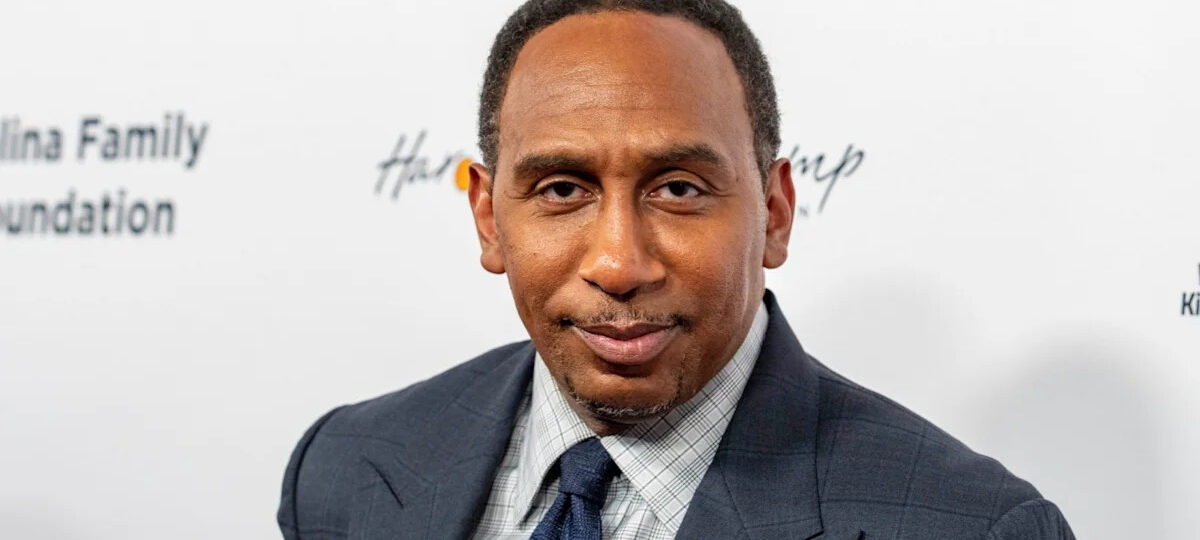
ESPN Inc. was already a large sports media operation when Stephen A. Smith joined in 2003 as an NBA Shootaround analyst. That year, the company also launched ESPN HD for high-definition television coverage.
By 2003, ESPN also operated ESPN2, ESPNEWS, ESPN Radio, and ESPN.com. Smith entered a business with multiple national platforms, established league rights, and a distribution model still built mainly around television.
Image Press Agency/Depositphotos
Stephen A. Smith started as an NBA analyst
Stephen A. Smith began at ESPN as an NBA studio analyst and later appeared on SportsCenter, ESPN News, First Take, and Pardon the Interruption. Those assignments gave him roles across several established programs.
Smith also hosted The Stephen A. Smith Show on ESPN Radio from 2005 through 2008. His early network work combined basketball analysis, general sports commentary, radio hosting, and recurring television appearances.
Jean_Nelson/Depositphotos
Stephen A. Smith received his own show
Stephen A. Smith received his own ESPN2 program in 2005 with Quite Frankly with Stephen A. Smith. The one-hour show featured sports news, commentary, and interviews before ending its run in 2007.
Quite Frankly gave Smith a dedicated television format before First Take became his signature ESPN role. His first tenure at the network ended in 2008, while his later return led to a larger morning presence.
 rafapress/Depositphotos
Stephen A. Smith joined First Take full time
Stephen A. Smith returned to ESPN programming in 2011 and joined First Take full-time in June 2012. The revised format featured Smith and Skip Bayless debating major sports topics at the desk.
First Take also introduced a new set, graphics, and format during that June relaunch. By September 2012, year-to-date viewership had risen 33%, while the third-quarter audience had increased 21% from the same period in 2011.
Eugene Powers/Shutterstock.com
Stephen A. Smith became central to First Take
Stephen A. Smith became a central commentator on First Take as the program expanded its audience. By 2014, viewership among men ages 18 to 34 had increased for six consecutive years.
That same audience group grew 25% during 2014, while First Take became ESPN2’s most-watched studio show. The figures established the debate program as a major part of ESPN’s weekday schedule.
 maxcam/Depositphotos
First Take expanded beyond television
First Take expanded beyond linear television as digital viewing grew. In 2023, the program averaged 496,000 television viewers, setting its highest annual average at that point in the show’s history.
First Take content also generated 250 million YouTube views during 2023, while its social accounts reached a combined 4.5 million followers. Those totals showed substantial consumption outside the television broadcast.
 rafapress/Depositphotos
First Take set another audience record
First Take set another annual audience record in 2025, averaging 517,000 viewers. The total increased 6% from 2024 and marked the program’s most-watched calendar year through the end of 2025.
Other ESPN studio programs also grew that year. Get Up averaged 424,000 viewers, while NFL Live posted its strongest annual performance since 2016, showing that audience gains extended beyond First Take.
 IgorVetushko/Depositphotos
Stephen A. Smith signed another ESPN deal
Stephen A. Smith signed a new multi-year ESPN agreement in March 2025 that keeps him with the company for at least five more years. The deal also covers appearances across additional ESPN programming.
Smith remains First Take’s featured commentator and executive producer. He also co-executive produces the program through Mr. SAS Productions, alongside ESPN and Omaha Productions, which gives him responsibilities beyond appearing on camera.
 Kathyimages/Depositphotos
ESPN expanded into subscription streaming
ESPN expanded into subscription streaming with ESPN+ in April 2018. The paid service launched inside the ESPN App and added thousands of live events, original programming, and on-demand sports content.
That transition advanced on August 21, 2025, when ESPN launched a direct subscription service carrying its full network lineup. Fans gained access to those channels without needing a traditional television package.
 monticello/Depositphotos
ESPN built a larger digital platform
ESPN’s expanded direct subscription service launched an Unlimited plan at $29.99 per month. The package provided access to ESPN networks and services, covering about 47,000 live events at launch.
The enhanced ESPN App also introduced multiview options, integrated game statistics, fantasy features, and personalized SportsCenter content. Those additions combine live viewing, information, and account features into one digital platform.
Fun fact: Before becoming ESPN’s loudest debate fixture, Stephen A. Smith attended college on a basketball scholarship and played for legendary coach Clarence “Big House” Gaines.
 Juan Alejandro Bernal R/Deopsitphotos
ESPN added Monday Night Football
ESPN added Monday Night Football to its cable schedule in 2006 after the franchise moved from ABC. The change placed one of the NFL’s longest-running prime-time packages directly on ESPN each week.
The 2024 Monday Night Football season averaged 15 million viewers per game and reached 112 million people. Those figures show the continuing scale of NFL programming within ESPN’s broader television and streaming business.
 ecrow/Depositphotos
ESPN extended major basketball rights
ESPN and Disney secured new 11-year NBA and WNBA media agreements. The NBA agreement began with the 2025 to 2026 season, while the WNBA agreement started with its 2026 season.
The agreements run through the 2035-2036 NBA season and the 2036 WNBA season. ABC remains the exclusive NBA Finals television home, while ESPN distributes basketball coverage across television and streaming platforms.
“I wouldn’t be surprised,” Clark predicts that overseas WNBA games next year offer added context on how her influence may extend beyond domestic competition as the league considers broader international opportunities.
 nyc-click/Shutterstock.com
ESPN became a multiplatform sports business
ESPN has expanded from a cable-centered sports network into a business spanning television, streaming, digital products, and audio since Stephen A. Smith first joined the company as an NBA analyst in 2003.
Smith’s career followed that broader shift from studio analyst to featured commentator and executive producer. ESPN also added direct subscriptions, richer digital tools, and expanded rights packages as sports viewing habits changed.
How has Caitlin Clark learned to fight back against physical WNBA defense? looks at the adjustments shaping her response to tighter coverage and stronger contact.
ESPN looks very different from the network Stephen A. Smith joined in 2003, but which change has mattered most to how you watch sports? Share your thoughts in the comments below!
This slideshow was made with AI assistance and human editing.
Read More From This Brand:
Discover more from NAIRAVOICE.COM.NG
Subscribe to get the latest posts sent to your email.