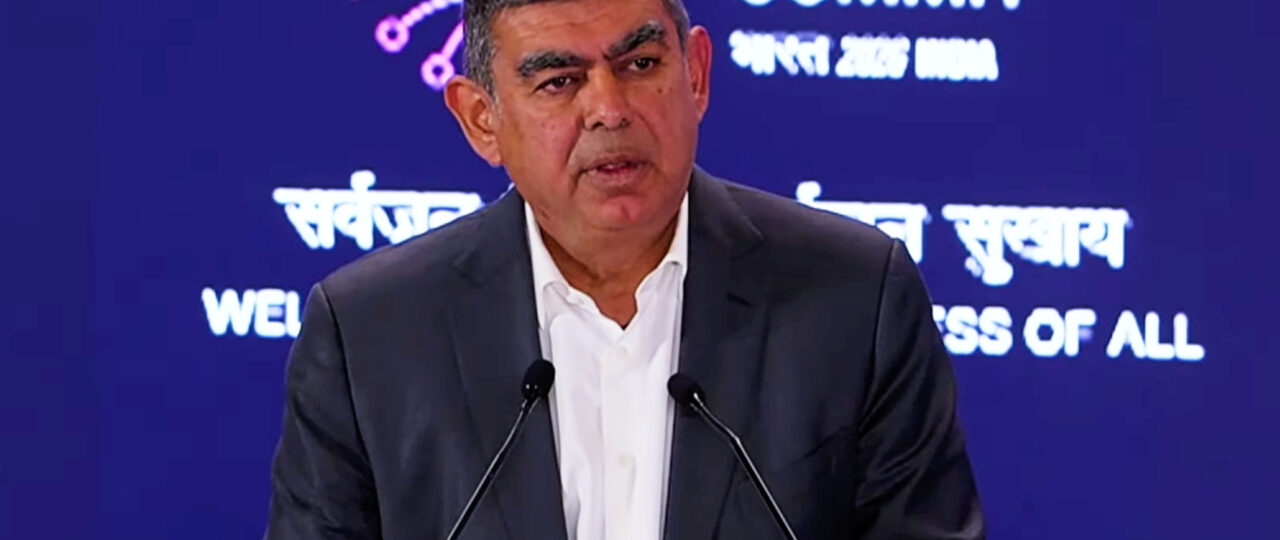
Chaddha told TechCrunch Hang Ten is distinct from VianAI, describing Sikka’s earlier venture as focused on a different market. VianAI focused on enterprise AI applications and analytics tools designed to help businesses use artificial intelligence in decision-making. Hang Ten, by contrast, describes itself as an enterprise AI services company built around agentic code generation, reusable AI skills, and domain expertise.
Mayfield backed Hang Ten because of Sikka’s career experience, as well as its belief that the startup’s AI-native model can scale differently from traditional services firms.
“Traditional services scale linearly with headcount,” Mayfield said. “Hang Ten is built so its leverage grows with every project.”
Hang Ten emerges as investors debate how AI will affect the economics of the IT services industry. Analysts at Jefferies argued earlier this year that IT services may be among the first sectors to face meaningful AI disruption. Infosys chairman Nandan Nilekani, however, this week said AI could expand the industry’s addressable market.
Infosys itself has sought to position AI as an opportunity rather than a threat, telling investors this month that “AI-first services” could represent a $300 billion-$400 billion market by 2030. The debate comes as investors reassess the outlook for traditional IT services firms, with Infosys shares down over 35% this year.
Discover more from NAIRAVOICE.COM.NG
Subscribe to get the latest posts sent to your email.