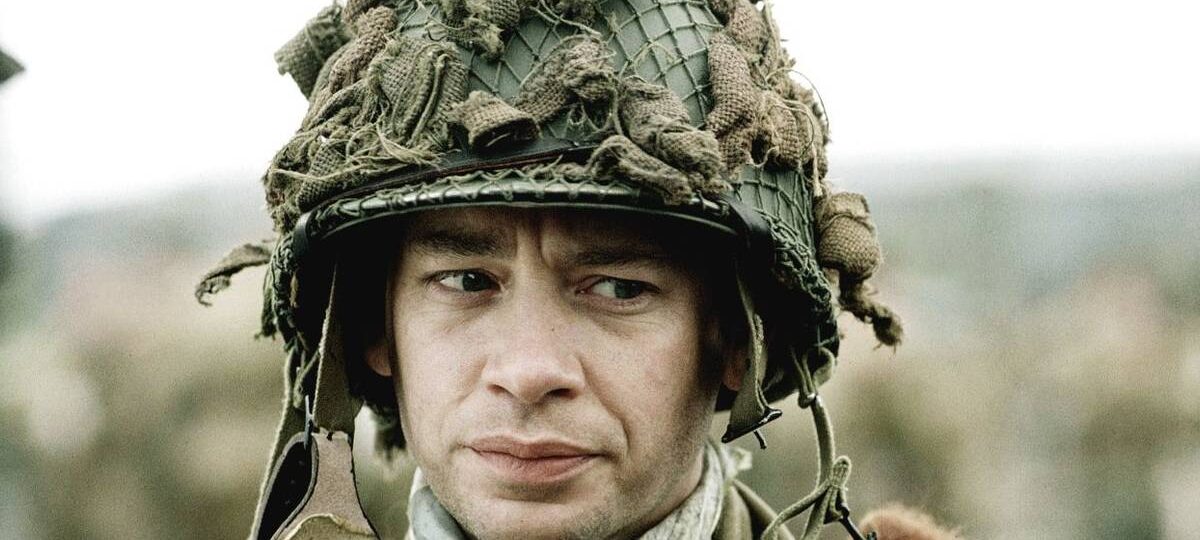
It has arguably never been more difficult to place a TV show in a single genre than now, with shows like Ted Lasso and Hacks defying labels. The concept of the dramedy has been embraced to such a degree that even Collider has differing opinions on whether The Bear is more comedy than drama, or vice versa. But one of American television’s all-time classic series was resisting the genre tag long before the golden age of television. In fact, 54 years after its premiere, the series remains a remarkable example of how comedy and drama can coexist. While Band of Brothers remains a landmark of war television, few series have captured the absurdity, humanity, and heartbreak of conflict quite like MASH. Set during a war that lasted only three years compared to the 11 years the series was on air, MASH is still worth the binge-watch over a half-century after it premiered.
War is Hell, and Hilarious, for a Group of Surgeons in ‘M*A*S*H’
A series adapted from the 1970 darkly comedic war film MAS*H (which was based on Richard Hooker‘s 1968 novel), the titular series centers around the personnel of the 4077th United States Army Mobile Army Surgical Hospital (MASH) unit based in Korea, set during the 1950-53 Korean War. The characters from the film carried over, though now played by new actors. Captain “Hawkeye” Pierce (Alan Alda) was the funny, likable womanizer, alongside Captain “Trapper John” McIntyre (Wayne Rogers) as the charming prankster. Lt. Colonel Henry Blake (McLean Stevenson) was the incompetent but genial, commanding officer, with Major Frank Burns (Larry Linville) as the inept, insecure, and antagonistic blowhard.
Your answers have pointed to one fictional hospital above all others. This is the ward your instincts, your temperament, and your particular brand of dysfunction were built for.
You are built for the most unsparing version of emergency medicine television has ever shown — one that puts you inside a single fifteen-hour shift and doesn’t let you look away.
- You need your work to be real, not romanticised — meaning over drama, honesty over aesthetics.
- You find purpose inside the work itself, not in the chaos surrounding it.
- You’ve made peace with the fact that this job takes from you constantly, and gives back in ways that are harder to name.
- Pittsburgh Trauma Medical Center demands exactly that kind of person — and you would not want to be anywhere else.
You are the person who keeps the whole floor running — not the most brilliant in the room, but possibly the most essential.
- You show up, do the work, absorb the losses, and come back the next day without needing the job to be anything other than what it is.
- You care about patients as individual human beings, not as cases to solve or dramas to live through.
- You believe in the system even when it fails you — and you understand that emergency medicine is about holding the line just long enough.
- ER is television about endurance. You have it.
You came to medicine with your whole self — your ambition, your emotions, your relationships, your history — and you have never quite managed to leave any of it at the door.
- You feel things fully and form deep attachments to the people you work with.
- Your personal and professional lives are permanently, chaotically entangled — and that entanglement drives both your greatest disasters and your most remarkable saves.
- You understand that extraordinary medicine often happens at the intersection of clinical skill and profound human connection.
- It’s messy at Grey Sloan. You would not have it any other way.
You are drawn to the problem above everything else — the symptom that doesn’t fit, the diagnosis hiding underneath the obvious one.
- You’re not primarily motivated by the patient as a person — though you are capable of caring, even if you’d deny it.
- You work best when the stakes are highest and the standard answer is wrong.
- Princeton-Plainsboro exists to house one extraordinary, impossible mind — and everyone around that mind is there because they’re smart enough to keep up.
- The only way forward here is to think harder than everyone else in the room. That is exactly what you do.
You understand that medicine is tragic and absurd in almost equal measure — and that the only sane response is to hold both of those things at the same time.
- You are warm, self-aware, and funnier than most people in your field.
- You use humour to get through terrible moments — and at Sacred Heart, that’s not a flaw, it’s a survival strategy.
- You lean on the people around you and let them lean back. The laughter and the grief are genuinely inseparable here.
- Scrubs is a show about learning to become someone worthy of the job. You are still very much in the middle of that process — which is exactly right.
Then there was Major Margaret “Hot Lips” Houlihan (Loretta Swit), who was the strict head nurse, and 1st Lieutenant Father Mulcahy (William Christopher), the chaplain. Rounding out the ensemble is Corporal “Radar” O’Reilly, the innocent and efficient clerk played by Gary Burghoff, the only actor to reprise his role from the film. Then there was Corporal Maxwell Klinger (Jamie Farr), an original show character who didn’t appear in the film.
The cast carried the series over its first three seasons when it was predominantly a sitcom… and a very funny one at that. A 24-hour poker game and a drunk North Korean soldier bring laughs in “Deal Me Out.” In “Tuttle,” Hawkeye creates a fake officer by the name of Captain Tuttle, simply so he can donate “his” paychecks to the orphanage, before it goes hilariously out of control, forcing a funeral speech for a man who never was. There were endless pranks played on Burns by Hawkeye and Trapper, using his own arrogance and paranoia against him. And, of course, there was Klinger and his assortment of extravagant dresses, hats, and outfits, all in a futile effort to convince the powers that be he is unfit to serve.
A Shocking Death Changes ‘M*A*S*H’ for the Better
 Image via CBS
- Image via CBS
- Image via CBS
- Image via CBS
- Image via 20th Century Studios
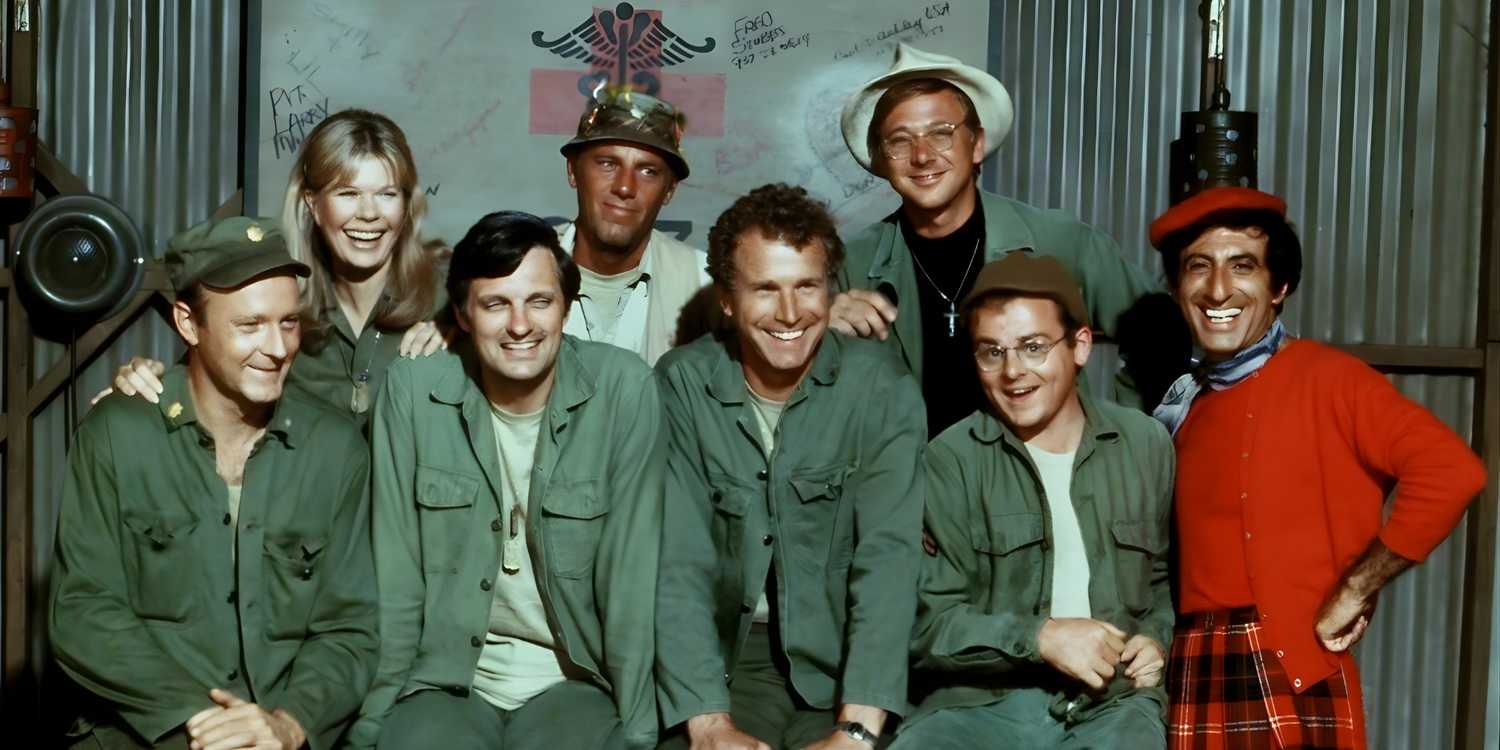 Image via CBS
 Image via CBS
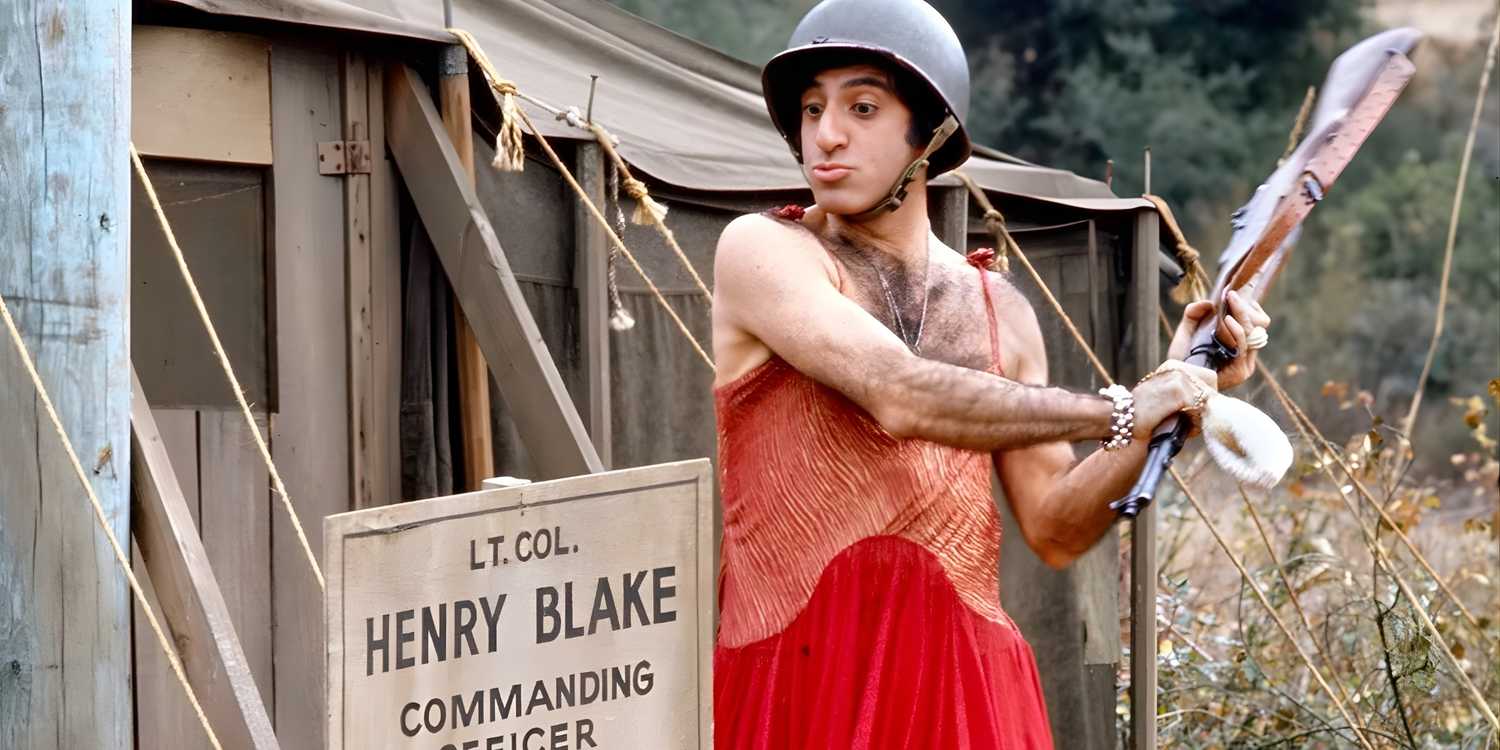 Image via CBS
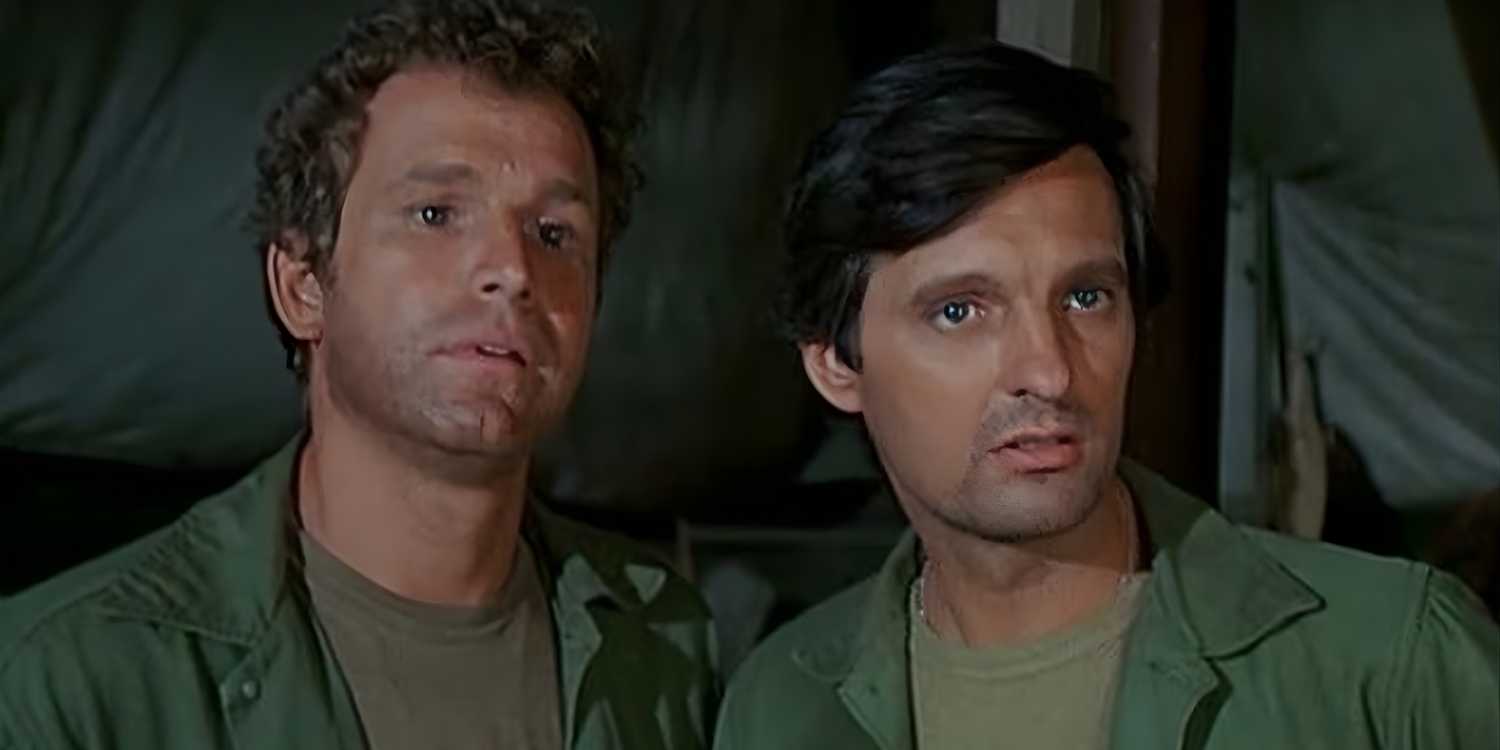 Image via CBS
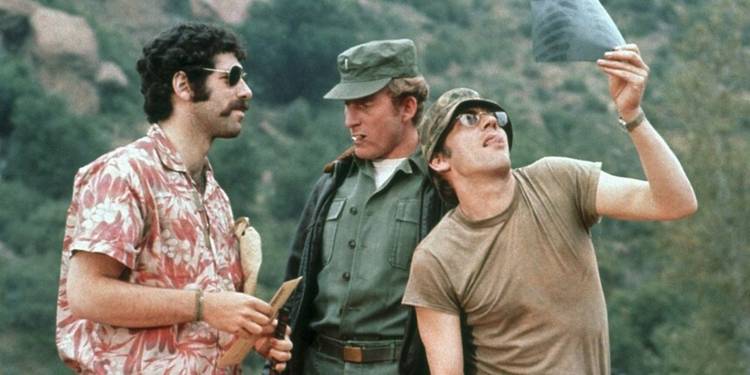 Image via 20th Century Studios
- Image via CBS
- Image via CBS
- Image via CBS
- Image via CBS
- Image via 20th Century Studios
 Image via CBS
 Image via CBS
 Image via CBS
 Image via CBS
 Image via 20th Century Studios
Despite a handful of memorable dramatic moments – Season 1’s “Sometimes You Hear the Bullet” sees Hawkeye fall apart after a patient and friend dies – there was little that truly separated MAS*H from its sitcom kin, apart from its thinly-veiled critique of the still-raging Vietnam War. That changed shockingly with the Season 3 finale, “Abyssinia, Henry.” The episode saw Henry Blake being honorably discharged, allowing him to return home. He calls his wife and kids to tell them, says his farewells, and revels in a goodbye party before his helicopter arrives. But in the episode’s closing moments, Radar enters the operating room to inform everyone that Blake’s helicopter was shot down… with no survivors.
It was a truly jarring moment, with its somber tone accentuated by a cast that didn’t even know it was going to happen until right before shooting the scene. MAS*H was no longer “just” a sitcom, but a series that could deliver humor and heartbreak in equal and effective doses. The arrival of three new characters – Captain B.J. Hunnicutt (Mike Farrell), replacing Trapper; Colonel Sherman Potter (Harry Morgan) as the new commanding officer; and Major Charles Winchester III (David Ogden Stiers), replacing Frank Burns – certainly helped.
Each new character was a much deeper, more interesting character than the ones they replaced. The remaining characters, too, expanded beyond their tropes to become more nuanced. Specifically, Houlihan and Hawkeye saw deeper character development, with the former becoming more complex and empathetic, and the latter’s humorous façade slowly cracking to expose the psychological toll war had taken on him.
The embracing of dramatic elements and the savvy balancing of drama with wit and additional anti-war sentiment didn’t chase viewers away. MAS*H not only retained its viewership but gained more, culminating in a series finale, “Goodbye, Farewell, and Amen,” that to this day has the record for being the most-watched finale ever, with a whopping 105.9 million viewers tuning in. Today, its message about the negative physical and psychological impacts of the threat of war and war itself remains, sadly, relevant.
That message’s honesty is truly refreshing in a world where war can be “spun” a thousand different ways. But MAS*H is more than its message: funny and heartrending, hilarious and horrifying, it’s a show that truly defines the power of dramedy in a way today’s efforts simply can’t, and that makes it more than worth parking on a couch and taking in all 100+ hours of it on Hulu.
Discover more from NAIRAVOICE.COM.NG
Subscribe to get the latest posts sent to your email.