KANO, NIGERIA – The Federal Government has called for inclusive education programmes that address the learning needs of girls, children with disabilities and learners affected by displacement, insecurity and migration.
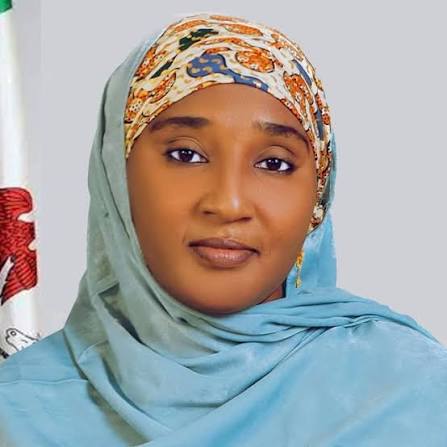
The Minister of State for Education, Professor Suwaiba Sa’idu Ahmad, said education programmes must be adapted to accommodate disadvantaged learners and ensure that no child is denied access to learning because of their circumstances.
Ahmad made the call at the International Conference on Nomadic and Alternative Education Approaches in Africa, held at Maryam Abacha American University of Nigeria (MAAUN), Kano.
She was represented at the three-day conference by the Vice-Chancellor of the Federal University of Education, Zaria, Kaduna State, Professor Yahaya Bunkure.
The minister stressed that expanding access to education required more than making schools available, noting that learning programmes must respond to the social, economic and physical challenges that prevent vulnerable children from enrolling, attending classes and completing their education.
She identified poverty, household responsibilities, safety concerns, poor sanitation and inadequate access to female teachers and mentors as some of the barriers preventing girls in underserved communities from accessing education.
According to her, addressing these challenges requires stronger community engagement, safer learning environments and targeted support to encourage girls to remain in school.
She also emphasised the need to create opportunities for girls who had dropped out to return to education, rather than allowing temporary social or economic difficulties to permanently exclude them from learning.
FG Seeks Better Access for Learners with Disabilities
Ahmad called on government institutions and education stakeholders to ensure that alternative education facilities, learning materials, digital platforms and assessment arrangements were accessible to children with disabilities.
She maintained that inclusive education must consider the different needs of learners and remove barriers that prevent children with disabilities from participating fully in educational activities.
The minister’s position reflects the need for education systems to provide appropriate facilities, resources and teaching approaches that allow disadvantaged learners to access learning opportunities alongside their peers.
She also called for increased investment in teacher recruitment, professional development and instructional materials, particularly for nomadic and alternative education programmes.
She noted that teachers remained central to the delivery of quality education and that effective alternative learning models would require educators with the necessary skills, training and resources to support learners in different circumstances.
The minister further stressed that alternative education programmes must be adequately funded and sustained to ensure that they deliver lasting benefits to underserved communities.
Government Urged to Sustain Alternative Education Funding
Ahmad called on federal, state and local governments to provide adequate funding for alternative education initiatives and ensure that programmes continued beyond individual projects and funding cycles.
She said sustainable financing was necessary to maintain learning facilities, recruit and train teachers, provide instructional materials and support the delivery of education to children who might otherwise remain outside the formal school system.
The minister also urged participants at the conference to move beyond discussions and develop practical recommendations that could guide policy and programme implementation.
She identified policy coordination, flexible learning models, teacher development and sustainable funding as key areas requiring attention.
According to her, recommendations from the conference should provide useful direction for strengthening alternative education approaches and improving access for children in underserved and vulnerable communities.
The call also highlighted the importance of cooperation among different levels of government and education stakeholders in addressing the diverse challenges affecting access to education across the country.
MAAUN Highlights Universities’ Role in Education Development
Earlier, the President of Maryam Abacha American University of Nigeria, Professor Mohammad Israr, said universities had responsibilities that extended beyond classroom teaching.
He said higher education institutions must contribute to research, innovation, policy development and community development as part of their role in addressing society’s challenges.
Israr explained that universities could support the development of practical solutions to Africa’s education challenges by using research and institutional partnerships to inform policy and improve educational practices.
He said the international conference provided an opportunity for stakeholders to examine existing challenges and explore approaches that could expand access to education for learners who were not adequately served by conventional education systems.
The conference was organised through MAAUN’s Africa Institute for Strategic Development in collaboration with universities in Somalia, Kenya and Namibia.
Its focus on nomadic and alternative education approaches brought attention to the need for flexible learning arrangements that respond to the circumstances of different communities and populations.
The participation of universities from different African countries also provided an opportunity to exchange research perspectives and consider approaches that could inform education policies and programmes across the continent.
Conference Targets Practical Solutions to Africa’s Education Challenges
The three-day conference comes amid growing calls for education systems that respond to the needs of children whose access to conventional schooling is affected by poverty, mobility, insecurity, disability and other social circumstances.
Nomadic and alternative education programmes are important to reaching learners whose lifestyles, locations or personal circumstances may make participation in conventional school arrangements difficult.
The minister’s address emphasised that such programmes must be supported by appropriate teaching resources, trained educators, accessible learning environments and reliable funding.
Her call for practical recommendations on policy coordination, flexible learning models and teacher development also placed responsibility on conference participants to identify approaches that can be implemented and sustained.
The conference is expected to provide a platform for discussions on how governments, universities and other education stakeholders can strengthen alternative education and improve learning opportunities for underserved populations.
The broader objective, as highlighted by the Federal Government, is to ensure that girls, children with disabilities, nomadic communities and learners affected by displacement, insecurity and migration are not left behind in efforts to expand access to quality education.
Discover more from NAIRAVOICE.COM.NG
Subscribe to get the latest posts sent to your email.