
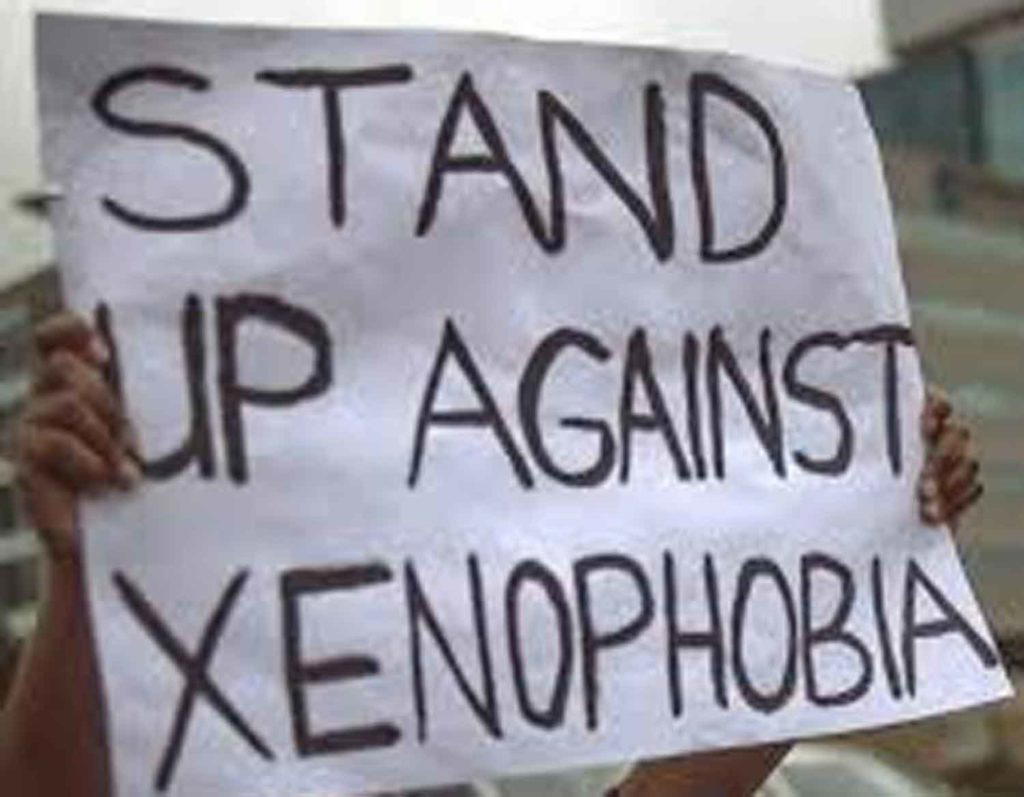
The xenophobic attacks and anti-foreigner sentiments in South Africa is not new, but its persistence makes it an increasingly explosive issue. Each cycle of violence against foreign nationals chips away at the country’s moral authority and threatens the very ideals upon which post-apartheid South Africa was built.
Since the end of Apartheid, South Africa has become a destination for many Africans seeking economic opportunity. The recurring attacks, particularly on Nigerians in South Africa, have imposed an intolerable stain on African solidarity. What was once isolated incidents have hardened into a pattern, one that raises difficult questions about justice, leadership, and the future of intra-African relations. For many Nigerians living and working in South Africa, daily life is increasingly shadowed by fear. From mob violence and looting of Nigerian-owned businesses to harassment and unlawful detentions, the experiences are now deeply systemic. Each new episode reinforces a troubling message: that Nigerians, despite their country’s contributions to South Africa’s economy and anti-Apartheid struggle, remain vulnerable targets.
Today, the irony is stark: citizens of a country that once championed South Africa’s freedom are now victims of hostility on its streets. The drivers of these attacks are not mysterious. Economic strain, perceived competition, belligerent rhetoric by some politicians against immigrants, high crime rates and inequality have created deep frustrations among segments of South African society. Nigerians, often visible in sectors such as trade, hospitality, and small-scale enterprise, become easy scapegoats as they are accused, frequently without evidence, of criminality or taking opportunities from locals. Yet scapegoating Nigerians does nothing to resolve South Africa’s structural challenges. It merely shifts blame away from governance failures and weak economic performance. Worse still, it risks normalising lawlessness.
When mobs attack foreign nationals with little consequence, the rule of law itself is diminished. Addressing xenophobia requires more than periodic condemnations after violence erupts. It demands a coherent, sustained response. The South African government must enforce the rule of law decisively. This means not only prosecuting offenders but also addressing the narratives that fuel xenophobia. Public officials must resist the temptation to pander to populist sentiments and instead lead with a sense of history, empathy, and responsibility. For Nigeria, the situation calls for more than routine diplomatic protests and evacuations of our citizens. The government must engage South Africa firmly but constructively, insisting on concrete protections for our citizens.
Bilateral mechanisms should be strengthened to ensure rapid response to crises, while legal avenues must be pursued where justice is denied. At the same time, the Nigerian mission in South Africa must be better equipped to support affected citizens. Silence and half-measures could provoke responses from the Nigerian streets against South African interests. Our restraint is not weakness. Should that happen, it will not augur well for efforts to foster African unity, promote trade and uphold pan-Africanism.
The post Ending South Africa’s xenophobic attacks appeared first on Vanguard News.
Discover more from NAIRAVOICE.COM.NG
Subscribe to get the latest posts sent to your email.