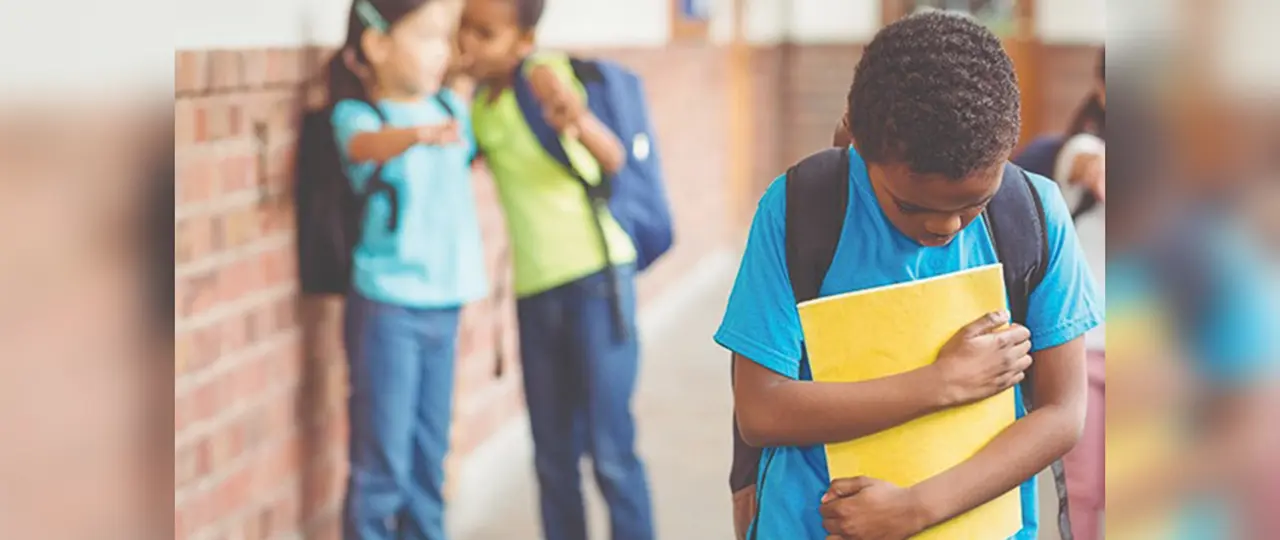
Social pressures have made emotional safety more difficult to achieve
Although schools have always involved social interaction, today’s students face challenges that previous generations experienced differently.
Peer relationships remain among the strongest influences on children’s emotional wellbeing.
Friendships provide belonging, encouragement, and support. However, they can also become sources of anxiety when students experience exclusion, gossip, bullying, or unhealthy competition.
Bullying represents one of the clearest threats to emotional safety.
While physical bullying remains a concern, psychological bullying often leaves deeper and more enduring emotional effects. Repeated teasing, insults, social exclusion, humiliation, or rumours can severely damage students’ confidence and sense of belonging.
Unfortunately, bullying is not always visible. Some students endure emotional mistreatment quietly for months before adults become aware of the problem. Others never report their experiences because they fear retaliation or believe nothing will change.
Social media has expanded these challenges considerably. Unlike previous generations, today’s students remain connected to their school communities long after classes end. Messaging platforms, social networking sites, and online forums allow conflicts to continue beyond school hours.
Cyberbullying has therefore become a significant concern. Negative comments, embarrassing photographs, exclusion from online groups, and public criticism can follow students home, making it difficult to escape emotional distress even outside school.
Furthermore, social media encourages constant comparison. Students regularly encounter carefully curated images of classmates’ achievements, friendships, appearances, and lifestyles. Although these online portrayals rarely reflect complete reality, repeated exposure often creates unrealistic expectations.
Young people begin questioning whether they are attractive enough, successful enough, intelligent enough, or socially accepted enough. This comparison culture can gradually weaken self-esteem.
Financial differences also affect emotional safety. Students from economically disadvantaged backgrounds may worry about uniforms, learning materials, school fees, transportation, or participation in extracurricular activities. Fear of being judged because of family circumstances may discourage them from engaging fully in school life.
Similarly, students who speak differently, belong to minority groups, have disabilities, or learn at different paces sometimes experience subtle forms of exclusion.
Although schools increasingly promote inclusion, unconscious bias and stereotypes continue affecting students’ daily experiences.
Mental health challenges represent another important factor. Anxiety, depression, chronic stress, and emotional exhaustion affect growing numbers of students worldwide. Unfortunately, stigma surrounding mental health often discourages young people from seeking help.
Some fear classmates will label them as weak. Others worry teachers or parents may misunderstand their struggles. Consequently, many students carry emotional burdens silently while continuing to attend school each day.
Building schools where students feel emotionally safe
Creating emotionally safe schools requires intentional effort from educators, families, policymakers, and students themselves.
The foundation lies in recognising that emotional wellbeing and academic achievement are not competing priorities. Rather, they strengthen one another.
Students who feel psychologically secure generally demonstrate higher engagement, stronger motivation, improved attendance, greater resilience, and better academic outcomes.
Teachers play perhaps the most immediate role in fostering emotional safety. Simple classroom practices can make substantial differences. Greeting students warmly, encouraging respectful discussion, responding constructively to mistakes, and acknowledging individual progress help create environments where learners feel valued.
Language matters significantly. Replacing criticism with constructive feedback encourages growth without damaging confidence. Instead of highlighting only incorrect answers, teachers can emphasise students’ thinking processes and guide them towards deeper understanding.
Schools should also strengthen anti-bullying initiatives.
Effective programmes extend beyond punishment by promoting empathy, conflict resolution, digital citizenship, and peer support. Students need confidence that reporting bullying will lead to meaningful action rather than further victimisation.
Mental health support deserves equal attention. Access to trained counsellors, wellbeing programmes, stress management workshops, and confidential support services enables students to seek assistance before challenges become overwhelming.
Parents likewise contribute substantially to emotional safety. Children who feel accepted at home regardless of academic performance often develop greater confidence at school. Open communication, active listening, and unconditional support encourage young people to discuss difficulties honestly.
Importantly, parents should avoid defining success exclusively through examination results.
Celebrating effort, resilience, kindness, creativity, and personal growth communicates that children possess value beyond academic achievements.
Students themselves also have responsibilities. Creating inclusive peer cultures requires kindness, empathy, and respect for differences. Small actions such as welcoming new classmates, discouraging gossip, supporting struggling peers, and respecting diverse opinions collectively strengthen emotional safety throughout school communities.
Educational leaders should also reconsider traditional definitions of successful schools. Examination performance remains important, but genuine educational quality includes student wellbeing, psychological safety, inclusion, and healthy relationships. Schools that nurture confident, emotionally resilient learners prepare young people not only for examinations but also for life.
Ultimately, emotional safety should become as fundamental to education as textbooks, classrooms, and qualified teachers.
Conclusion
Schools cannot fulfil their educational mission if students spend their days feeling emotionally unsafe. Although physical security remains essential, genuine learning depends equally on students feeling respected, accepted, and confident enough to participate without fear of humiliation, exclusion, or judgement.
Emotional safety influences every aspect of education. It shapes classroom participation, academic performance, mental health, relationships, resilience, creativity, and long-term personal development. When students fear asking questions, making mistakes, expressing ideas, or seeking help, learning becomes limited regardless of the quality of teaching.
Today’s educational environment presents additional challenges through increased academic pressure, social media, cyberbullying, comparison culture, and growing mental health concerns. These realities require schools to move beyond traditional approaches that focus solely on academic achievement.
Creating emotionally safe schools is not the responsibility of teachers alone. Parents, school leaders, policymakers, communities, and students all contribute to building environments where kindness, respect, empathy, and inclusion become everyday practices rather than occasional initiatives.
In the end, the most effective schools are not simply those that produce excellent examination results. They are schools where students feel safe enough to ask questions, admit uncertainty, express themselves authentically, recover from mistakes, and believe they belong. When emotional safety becomes a priority, education fulfils its true purpose, not only developing knowledgeable students but also nurturing confident, compassionate, and resilient individuals who are prepared to thrive both inside and beyond the classroom.
Discover more from NAIRAVOICE.COM.NG
Subscribe to get the latest posts sent to your email.