Every day, you’re making hundreds of small decisions that might be exposing you to a higher risk of cancer.
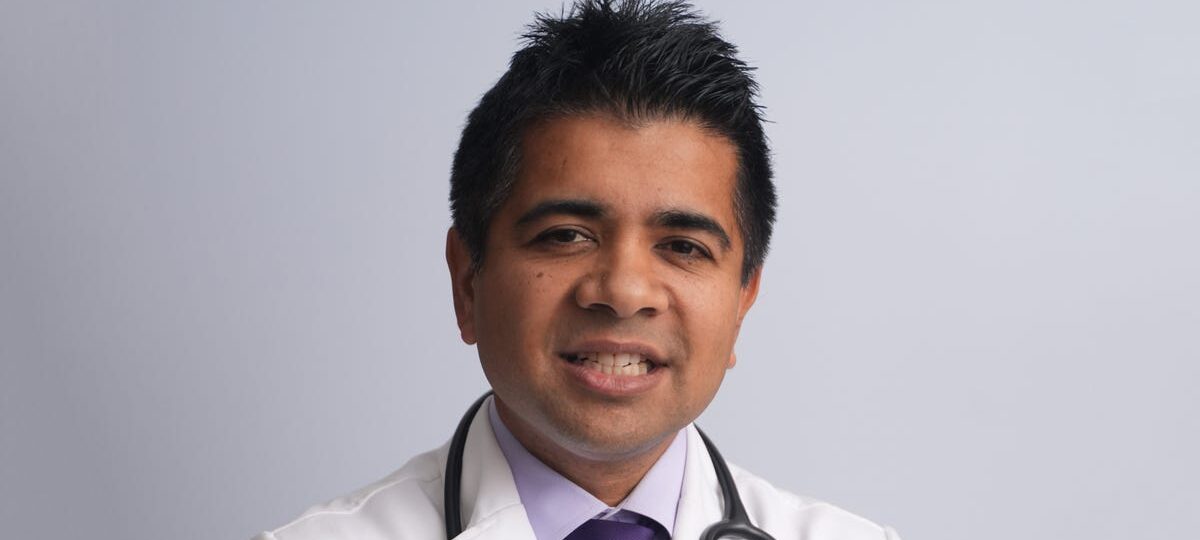
A few simple tweaks to your routine can help give you the best chance of preventing cancer, according to Dr.
Avishek Kumar, a board-certified community oncologist in Edison, New Jersey. “You can’t fully eliminate the risk of having any sort of cancer,” he told Business Insider. “But the key is reducing the odds, partaking in certain habits over the course of a lifetime, which can cut down the odds.” Small day-to-day decisions can add up to significant protection against deadly cancers like colon cancer and lung cancer.
He shared his own routine as an example, with five key components to reduce major cancer risks. “Simple substitutions done over weeks and months and years can really pay off vast dividends in cancer prevention as time goes on,” Kumar said. “Every given moment, we have the opportunity to take the stairs or substitute something healthy.” When it comes to nutrition, Kumar said his approach is to imagine a farmer from a century ago, prioritizing foods they would have eaten that can be harvested, foraged, or prepared at home. “They probably wouldn’t be eating Cheetos,” he said.
Think berries, whole grains, lean meats, eggs, and dairy.
The most nutrient-dense picks are often fresh foods you’d find on the periphery of the grocery store, rather than the shelf-stable, ultra-processed food in the center aisles.
That said, it’s not realistic to completely cut out processed food, and Kumar loves a convenient trip to McDonald’s (for a Filet O’ Fish) as much as the rest of us.
For a balanced diet, he makes sure that at least one meal a day is as little-processed as possible, so he doesn’t have to stress about enjoying a brownie at work or a fast-food lunch. “Really, it’s a long-term effect that matters.
It’s those cumulative habits substituting a healthy, unprocessed plate of berries or vegetables for one meal a day,” Kumar said.
Exercise is one of the most effective ways to prevent cancer, and it doesn’t have to take much time or cost much money.
Everyday movement, like walking, running, or taking the stairs, is enough to provide a protective benefit.
Kumar said he jogs nearly every morning to get his steps in early and start the day with more energy and less stress.
If you’re not a jogger or gym rat, he recommends adding a 20-minute walk to your day.
Make it a habit, and build on it over time.
Kumar said environmental factors can play a big role in cancer risk, including items in your own kitchen or living space.
For instance, microplastics may be linked to an increased risk of cancer.
The tiny particles can enter the human body through household items such as plastic food packaging or the nonstick coating on your cookware or utensils.
To prevent exposure, throw out and replace old or degrading items. “Sometimes you’ve got a pot that you really like, or a pan you’ve been using for years, and it’s kind of peeling off, but you don’t want to throw it out,” Kumar said. “Really, all those different exposures can potentially increase the risk of cancer down the line.” Another potential carcinogen in your home is invisible, odorless, and tasteless: radon gas.
Radon exposure is the second largest cause of lung cancer mortality after smoking, and it can seep into your home from the surrounding environment, Kumar said.
He recommends getting a low-cost testing kit or a device to check the radon levels in your home.
If it’s high, you can install vents or other airflow systems to lower your risk.
With a full schedule of patients, Kumar said it’s sometimes a challenge to fit in time for his own medical appointments.
Routine screenings are often the first thing to get postponed when life gets busy.
But staying up to date is crucial, since most cancers are highly treatable when caught early.
Screening recommendations from the American Cancer Society include: “If you’re due for a mammogram, if you’re due for a colonoscopy, if it’s age-appropriate, it is a really good idea to do that because to help others, you have first to help yourself,” he said.
As a doctor, Kumar said he makes a conscious effort not to spend all his time thinking about cancer.
Too much stress can be a health risk in itself. “Especially with social media, the tendency is just to scroll and, oh, that’s an interesting article, scroll some more,” he said.
His solution is “unplugging completely and sitting down in a quiet place, ideally outside, and reading a book.” Kumar also makes a point of spending time with his wife and son on fun outings, such as a recent trip to a train museum.
Regardless of how you choose to unwind, deliberately managing stress makes it easier to stick to a healthy routine in the long term. “Cancer prevention isn’t about perfection, it’s just about doing simple things consistently,” Kumar said.
Discover more from NAIRAVOICE.COM.NG
Subscribe to get the latest posts sent to your email.