A good sequel has to do more than just raise the stakes, because it helps to also find interesting things for the characters to do, keep things stable (or be an improvement) on a technical front, and not feel repetitive. Raising the stakes is probably the thing you’re going to tackle first, though, should you find yourself in a position where you’re tasked with creating a satisfying sequel, and this can involve making things a bit more high-stakes and intense.
The following sequels all do that, getting darker and oftentimes more suspenseful than the movies that preceded them. To keep things focused, in terms of darker sequels, only immediate sequels are going to be counted here; so, second movies compared to the first movies, in case you’re wondering why something like Revenge of the Sith isn’t here (that one’s the third movie in its trilogy, and then also the sixth movie released in its overall series).
8
‘For a Few Dollars More’ (1965)
<<img src="https://static0.colliderimages.com/wordpress/wp-content/uploads/2025/07/for-a-few-dollars-more-1965.jpg?q=70&fit=crop&w=825&dpr=1" />
Image via United Artists</figure>
If you want to be annoying, but also probably right, you can point out that For a Few Dollars More is likely the third movie in the Dollars Trilogy chronologically speaking, but it was the second one released, so it’s being counted as the second here. A Fistful of Dollars came out a year earlier, and while it was fairly gritty for a Western, and more violent than most at the time, it wasn’t too unbearably downbeat or anything.
For a Few Dollars More also isn’t too depressing, but it gives one character a far more personal reason to want to take down the central bad guy than anything seen or felt in the first film, and that does give it some additional edge and darkness. It’s also a more confronting movie than The Good, the Bad and the Ugly, which is the third Dollars movie, but also perhaps the first one chronologically speaking (again, pointing it out does involve being annoying, but it’s likely a prequel to the other two).
7
‘Back to the Future Part II’ (1989)
<<img src="https://static0.colliderimages.com/wordpress/wp-content/uploads/2024/05/back-to-the-future-1.jpg?q=49&fit=crop&w=825&dpr=2" />
Image via Universal Pictures</figure>
This is a less dramatic example than most of the other sequels here, but Back to the Future Part II is still more intense than Back to the Future, and it’s worthy of getting mentioned because of that contrast. Like, the first movie is a pretty fun sci-fi comedy that gets tense at times, but it’s never too dark with its plot that is what you’d expect, based on the title.
There’s someone stuck in the past, and they have to get back to their present, but they also have to make sure they don’t prevent their existence in the future by messing with the past. Back to the Future Part II involves going to the future, but also Biff (who’s more of a threat here) messing with the past himself, making the present a dystopia of sorts, and if that description doesn’t make things obvious, it’s also a more complicated movie than the first one, for what that’s worth.
6
‘Toy Story 2’ (1999)
<<img src="https://static0.colliderimages.com/wordpress/wp-content/uploads/2022/05/Toy-Story-2-Jessie.jpg?q=49&fit=crop&w=825&dpr=2" />
Image via Buena Vista Pictures Distribution</figure>
Oops, one more mild example. Toy Story (1995) has one fairly emotional scene involving Buzz Lightyear finally realizing he’s actually a toy, but it’s otherwise a pretty breezy and fun comedic animated movie. And Toy Story 2 is also quite fun for a good chunk of its runtime, yet it does confront some heavier subject matter, especially because so much of what Woody struggles with here is concerned with mortality and legacy.
Further, the one “big” sad scene here reminiscent of the previously-mentioned Buzz scene involves Jessie and her tragic backstory, and that is the kind of thing that’ll obliterate you emotionally, even if you think you’re ready for it. So, maybe Toy Story 2 is more noticeably sadder than the first, and just a tad “darker,” but that’s enough to warrant its inclusion here (and then Toy Story 3 is even more emotionally intense, and has at least two somewhat notoriously heartbreaking scenes).
5
‘Star Trek II: The Wrath of Khan’ (1982)
<<img src="https://static0.colliderimages.com/wordpress/wp-content/uploads/2026/07/star-trek-the-wrath-of-khan-leonard-nimoy-william-shatner.jpg?q=70&fit=crop&w=825&dpr=1" />
Image via Paramount Pictures</figure>
There are a bunch of times that Star Trek has been brought to the big screen, of course, but the best movie of the whole franchise (again, as far as the big screen is concerned) is Star Trek II: The Wrath of Khan. Star Trek: The Motion Picture came earlier, of course, and felt like a somewhat more accurate translation of the original series, in that it does feel like an episode blown up to a feature-length runtime, and with a bigger budget.
The Wrath of Khan, though, bumps things up in terms of action and spectacle, and then it raises the stakes as well, because Khan is an especially menacing villain, and he does very much emerge as more of a threat in this movie than he was in the original series. He goes from a one-off villain to one of the most fearsome in the whole franchise, and the movie that bears his name does twist the knife quite effectively.
4
‘The Dark Knight’ (2008)
<<img src="https://static0.colliderimages.com/wordpress/wp-content/uploads/2026/06/the-dark-knight-2008-5.jpg?q=49&fit=crop&w=825&dpr=2" />
Image via Warner Bros. Pictures</figure>
The Dark Knight is easily the best of Nolan’s Batman movies, and it’s probably also his best overall movie, simply by way of having so much ambition and interesting moral conflict, making Bruce Wayne/Batman face off against an instantly legendary take on the Joker. And the moral questions and conflict here is what makes this a darker film than Batman Begins, and appropriately, the word “Dark” is even in the title this time around.
So, calling is the darkest of The Dark Knight movies only takes things so far, and you can see the influence this one had on superhero movies more broadly.
You’ve got increased stakes here as well, with more of consequence happening, and the Joker doing the most by way of damage of just about any Batman villain from any movie in the franchise’s history. So, calling is the darkest of The Dark Knight movies only takes things so far, and you can see the influence this one had on superhero movies more broadly, because this film took quite a few risks, got more intense, and then found a good deal of acclaim and success because it did those things so well.
3
‘The Godfather Part II’ (1974)
<<img src="https://static0.colliderimages.com/wordpress/wp-content/uploads/2026/03/the-godfather-part-ii-1974-6.jpg?q=49&fit=crop&w=825&dpr=2" />
Image via Paramount Pictures</figure>
1972’s The Godfather was a fair bit more violent than most of the gangster movies that came before it, and maybe it humanized some of its characters a little more than the gangster films of old, but it otherwise wasn’t overwhelmingly heavy-going. There was definite boldness in those areas, though, plus in some other regards, but The Godfather Part II was ultimately a good deal darker and more outwardly tragic.
The downward moral trajectory Michael Corleone was well and truly on by the end of The Godfather intensified during The Godfather Part II, with his failings and downfall being contrasted with his father’s rise in flashbacks, depicting the beginning of the Corleone crime family/empire. It’s an interesting way to tackle a rise-and-fall story for sure, and the undeniable bleakness of The Godfather Part II is, without a doubt, a reason why some are willing to call it even better than the already remarkable first movie.
2
‘The Empire Strikes Back’ (1980)
 Image via 20th Century Studios
- Image via Lucasfilm
- Image via 20th Century Studios
- © Lucasfilm Ltd. & TM. All Rights Reserved.
- Image via Lucasfilm
 Image via 20th Century Studios
 Image via Lucasfilm
 Image via 20th Century Studios
 © Lucasfilm Ltd. & TM. All Rights Reserved.
 Image via Lucasfilm
- Image via 20th Century Studios
- Image via Lucasfilm
- Image via 20th Century Studios
- © Lucasfilm Ltd. & TM. All Rights Reserved.
- Image via Lucasfilm
 Image via 20th Century Studios
 Image via Lucasfilm
 Image via 20th Century Studios
 © Lucasfilm Ltd. & TM. All Rights Reserved.
 Image via Lucasfilm
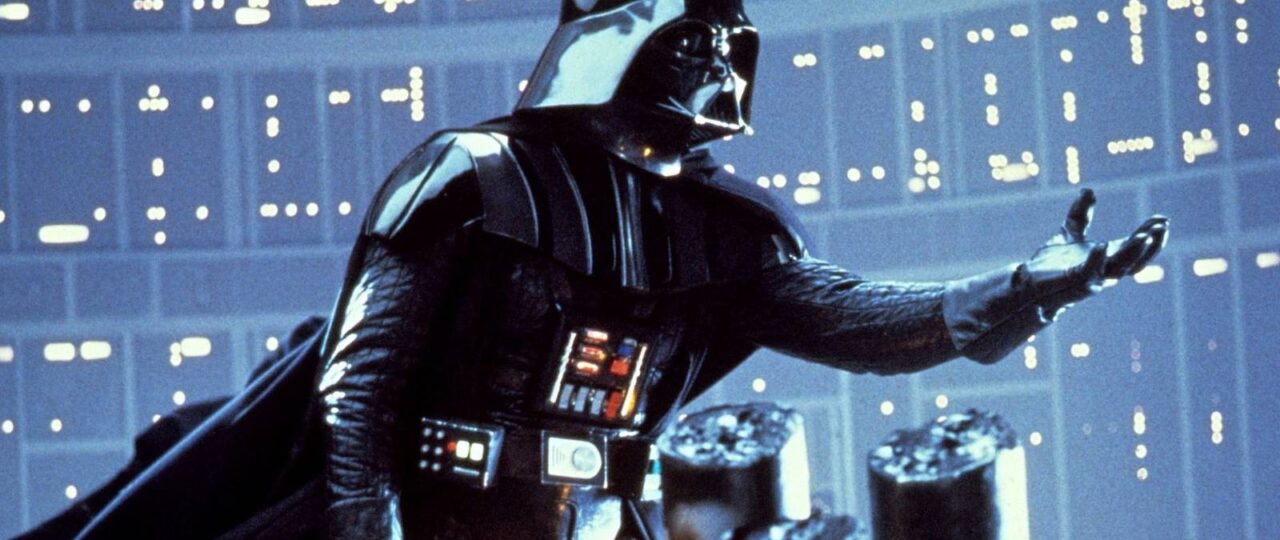
The only sequel that might well be even more revered than The Empire Strikes Back is the previously-mentioned The Godfather Part II, but they are indeed neck-and-neck in terms of quality and importance overall. Also, they’re both beloved for pushing things further emotionally for their respective sagas, with The Empire Strikes Back very much delivering on what the title suggests will happen.
There’s that well-earned victory at the end of Star Wars (1977), and the heroes who’ve made it through that are more capable and have learned a lot, but the Empire wasn’t defeated. So, they strike back. And in The Empire Strikes Back, the Empire strikes back early on, with much of what happens after the first act involving various heroic characters separated and needing to lick their wounds, so to speak. When the final act hits, of course, things get ever more alarming and bleak, all in ways that, by now, are incredibly well-known and beyond iconic, really.
1
‘Indiana Jones and the Temple of Doom’ (1984)
<<img src="https://static0.colliderimages.com/wordpress/wp-content/uploads/2023/01/ke-huy-quan_kate-capshaw_harrison-ford_indiana-jones-and-the-temple-of-doom.jpg?q=49&fit=crop&w=825&dpr=2" />
Image via Paramount</figure>
George Lucas didn’t direct The Empire Strikes Back, and neither did he direct any of the Indiana Jones movies, but he was involved in both, of course, and in both these examples, there was a similar trajectory followed in terms of things getting darker with that second installment. With Indiana Jones, that second movie is Temple of Doom, and it’s infamously dark stuff for a PG-rated movie, and is held up as one of two main movies (alongside Gremlins) that prompted the creation of the PG-13 rating.
So, it’s not like it’s the darkest movie here or anything, but it’s the most notable example of a sequel pushing things into bleaker and more uncomfortable territory compared to the first. Like, Raiders of the Lost Ark had some violent and creepy moments, but Temple of Doom is literally darker (especially in its final act) and then it also deals with child slavery and human sacrifices, alongside having a higher quantity of gross-out/violent scenes sprinkled throughout.
Discover more from NAIRAVOICE.COM.NG
Subscribe to get the latest posts sent to your email.