
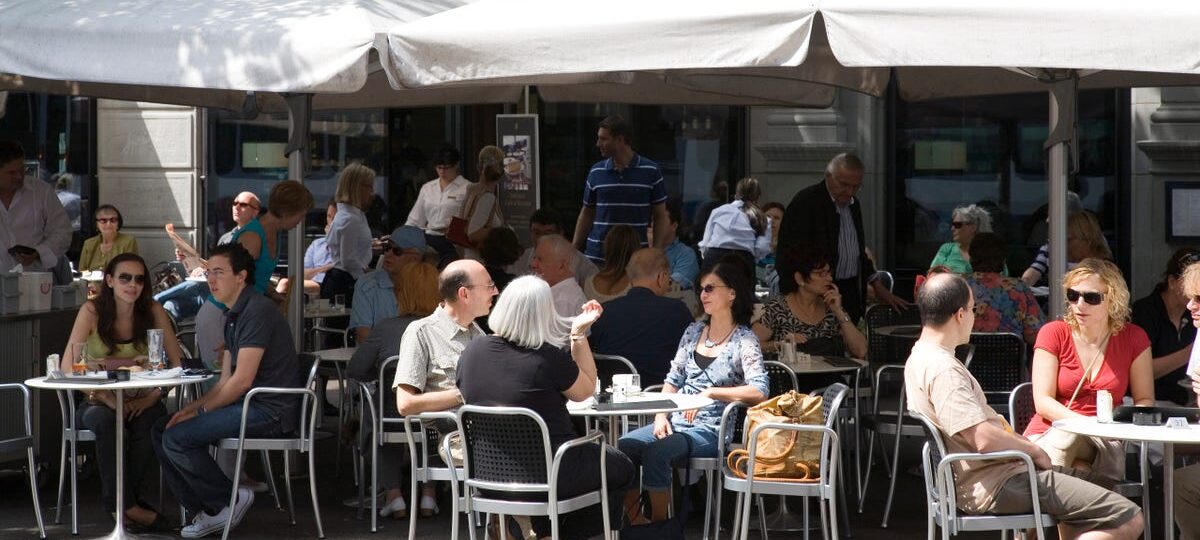
Around the world, the costs of everyday purchases are reaching new highs.
A new report from the Deutsche Bank Research Institute compared the prices of more than a dozen everyday items across 69 cities and tracked how much they’ve increased over the past 12 years.
The researchers used data from the crowdsourced platform Numbeo and cross-referenced it with other sources.
Switzerland is home to the two most expensive cities in the world, Zurich and Geneva.
The two cities consistently ranked among the priciest for a coffee, a cab ride, a pair of jeans, and a can of Coke.
That said, the residents also earned some of the world’s highest salaries.
They also topped the rankings for disposable income after taxes and rent, with a couple renting a three-bedroom apartment left with more than $10,000 a month.
The prices reflect the Swiss franc’s strength over several decades, Jim Reid, the global head of macro research and thematic strategy for Deutsche Bank Research Institute, told Business Insider.
New York and San Francisco, long among the most expensive cities in the US, ranked among the top 10 priciest in many categories.
But America’s relative dominance has faded somewhat as foreign investment — which drives up currency values and can cause inflation — has slowed. “The geopolitical world is getting more challenging, and people don’t want all of their eggs in one basket,” Reid said.
An outlier, Tokyo stands out for its low prices.
Renting a three-bedroom apartment in the Japanese capital costs less than a third of what it does in New York, and a McDonald’s meal is less than a quarter of what it is in Tel Aviv.
It’s the cheapest place in the world to buy an iPhone. “Another year of yen depreciation just catapulted Tokyo into the realm of being astonishingly cheap for such a developed market city,” Reid said.
Here’s where everyday items cost the most in 2026 — and how much you’ll pay for them, on average.
Discover more from NAIRAVOICE.COM.NG
Subscribe to get the latest posts sent to your email.