Faith Roswell is a Senior Writer on Screen Rant’s Classic TV team. Since earning her degree in Creative Writing over a decade ago, Faith has written articles on film and TV from a variety of different angles. Faith now combines her knowledge of psychology with her love of monster movies to give more insight into what makes the best ones.
You may have read her Screen Rant lists and features covering horror, sci-fi, and fantasy, or read her Amazon Top 10 book, “Movie Monsters of the Deep.”
Faith has had an extensive career as a writer, appearing on BBC live radio, researching true crime for Rotten Mango podcast, and writing for publications including Mental Floss, Atlas Obscura, and The Daily Jaws before beginning here at Screen Rant.
Thanks to the internet and groundbreaking documentaries like Planet Earth, much of the planet has become more accessible than ever, from wildlife photography to travel shows, but some masterpiece documentaries prove that there is still mystery out there. The best nature documentaries of all time do this in every episode by showcasing remote species and events, revealing a new side to familiar animals and places, and sometimes highlighting a connection between both. David Attenborough’s narration has been the soundtrack to many of the greatest, including 2001’s The Blue Planet, widely regarded as the best underwater TV series in history.
The Blue Planet won multiple awards and inspired iconic documentaries like Planet Earth and Frozen Planet, but Blue Planet II surpassed it, even changing the world. The past 100 years have produced some documentary movie masterpieces, but Blue Planet II’s seven episodes earned the show the highest TV viewing figures in the UK in 2017. Its focus on the devastating effect pollution has on marine life led to a surge in interest in combatting plastic pollution, with this being dubbed “The Blue Planet Effect.” Now, the series is back for a third season just as compelling as the previous two.
Blue Planet III Sees The Return Of TV’s Best Marine Documentary Series
<<img src="https://static0.srcdn.com/wordpress/wp-content/uploads/2026/11/untitled-design-76.jpg?q=49&fit=crop&w=825&dpr=2" />
</figure>
Underwater photography is a niche skill, especially when it comes to making less popular or motionless subjects fascinating. Well-timed slow-motion footage of a breaching great white shark is guaranteed to bring in viewers, but the Blue Planet series attracts and keeps its audience by showcasing something unexpected. Each episode features groundbreaking photography, often using techniques invented specifically for the series, with a massive production scale and masterful storytelling that serves as a call to action regarding conservation without feeling like a charity campaign.
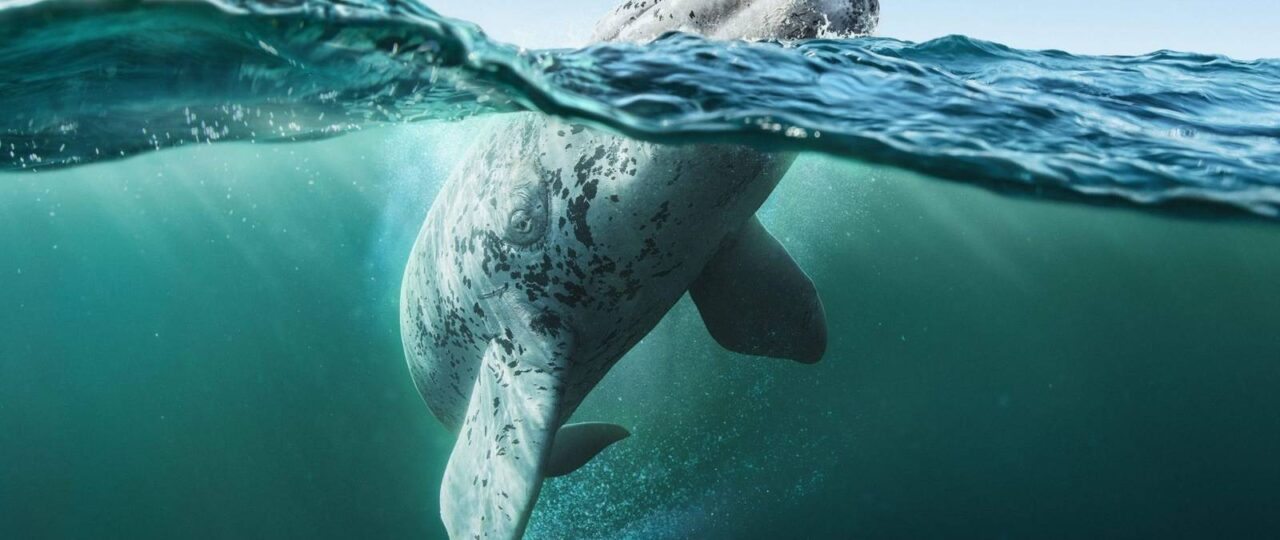
While there have been fewer episodes this time, the third installment in the Blue Planet series is following the same formula as the other two seasons. Blue Planet III has six episodes, with the first five each focusing on a different underwater habitat, with the final episode addressing pressing conservation issues. Popular themes like “The Deep” and “Open Ocean” have returned, while the third season’s “Tropical Seas” episode is a new subject. Prestige nature documentaries would not feel the same without David Attenborough’s voice, and he has narrated the show again.
The announcement that Attenborough would narrate Blue Planet III coincided with his 100th birthday.
With the effort that has gone into making the Blue Planet series, it is easily the best marine documentary show ever created, and the franchise deserves more attention for the team’s dedication. Filming Blue Planet III took four years, with filmmakers traveling across the globe to capture footage in locations including Northern Australia, Egypt, and Bali, in virtually every weather condition. The BBC covered its making, reporting that the crew spent years building photography equipment from scratch, contending with conditions including mud and crabs, and discovering new stars for the show, which arrives in the US next year.
David Attenborough’s Best Marine Life Show Arrives In The US On January 23
<<img src="https://static0.srcdn.com/wordpress/wp-content/uploads/2026/11/untitled-design-75.jpg?q=49&fit=crop&w=825&dpr=2" />
</figure>
People based in the UK can already binge-watch Blue Planet III, as the series debuted on BBC One and iPlayer on November 1. However, viewers in the US must wait a little longer, as Blue Planet III is not due for release on BBC America and AMC+ until January 23, 2027. That said, the show’s overwhelmingly positive reviews indicate that it will be worth the wait. The Independent‘s five-star review highlights its lack of “AI slop” and The Guardian‘s Jack Seale describes its excellence as “a bright flash of hopeful defiance.”
It is a testament to Blue Planet III‘s quality that, after Blue Planet II drew rave reviews, the show has been described by some viewers as “the best Blue Planet yet,” especially considering the quality of the shows David Attenborough has worked on. The TV legend has spent decades helping documentaries like this to widen viewers’ experience of the world, and 25 years after the original Blue Planet, we now have the opportunity to explore and rediscover its waters again.
The Blue Planet
Discover more from NAIRAVOICE.COM.NG
Subscribe to get the latest posts sent to your email.