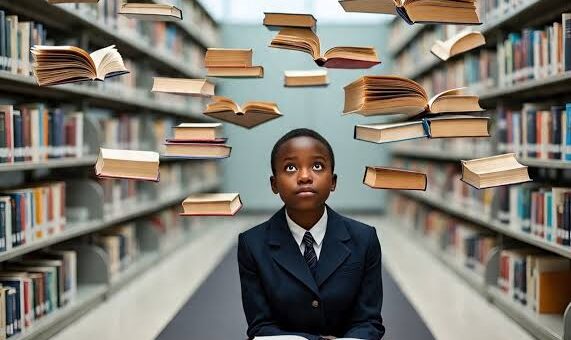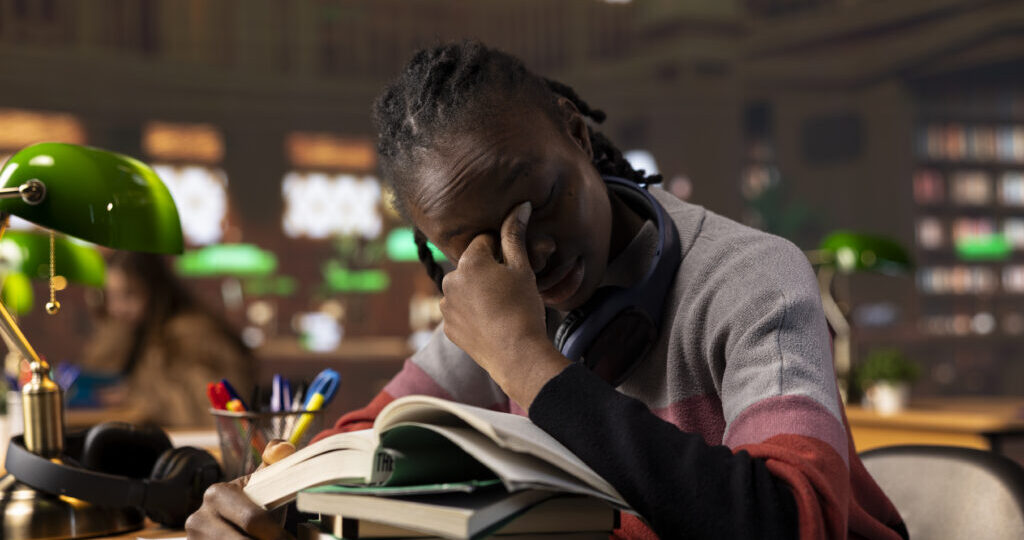
- Their confidence begins to decline
Students who are struggling silently often become more doubtful about their abilities.
They may constantly criticise themselves, avoid difficult tasks, or express beliefs that they are not intelligent enough to succeed. Even students who previously displayed confidence can begin questioning themselves when they face ongoing challenges.
Encouragement and reassurance can help rebuild the confidence that academic or personal difficulties may have weakened.
9. They become overly perfectionistic
While striving for excellence is positive, extreme perfectionism can signal hidden struggles.
Some students become intensely afraid of making mistakes. They may spend excessive amounts of time on assignments, worry constantly about grades, or become deeply upset over minor errors.
This behaviour is often driven by fear of failure rather than genuine confidence, and it can contribute to stress and burnout.
10. They pretend everything is fine
Perhaps the most overlooked sign is when students insist that nothing is wrong despite obvious changes in their behaviour.
Many young people become skilled at hiding emotional pain. They smile, attend classes, and continue their daily routines while silently coping with anxiety, sadness, loneliness, or overwhelming academic pressure.
This is why actions often reveal more than words. Paying attention to behavioural changes can be more informative than relying solely on what students say.
Why silent struggles often go unnoticed
Students do not always hide their struggles intentionally.
Many fear disappointing their parents, teachers, or guardians if they admit they are finding school difficult. Others worry that classmates will judge them or that asking for help will make them appear weak.
In some cultures, children are encouraged to remain resilient and avoid complaining, which may make them less likely to express emotional difficulties openly. As a result, adults sometimes mistake silence for strength when it may actually reflect fear, uncertainty, or emotional distress.
Academic pressure also contributes to this problem. Students who believe their worth depends entirely on grades may feel they have no choice but to conceal their struggles until they become overwhelming.
This is why schools and families should focus not only on academic achievement but also on emotional wellbeing. A student who feels supported is far more likely to seek help before problems become severe.
Recognising these warning signs is only the first step. The next step is creating an environment where students feel safe discussing their challenges without fear of criticism or punishment.
Parents should make time for regular conversations that go beyond asking about examination scores. Simple questions about friendships, classroom experiences, and emotional wellbeing often provide valuable insight into a child’s daily life.
Teachers can also make a significant difference by paying attention to changes in behaviour, encouraging classroom participation, and responding patiently when students ask for help. Small acts of kindness, encouragement, and genuine concern often have a lasting impact.
Where necessary, school counsellors and mental health professionals should be involved to provide specialised support. Early intervention can prevent small problems from developing into more serious academic or emotional difficulties.
Most importantly, adults should remember that every student experiences challenges differently. Comparing children or dismissing their concerns may discourage them from seeking help in the future.
Conclusion
Many students struggle silently because they fear judgement, feel overwhelmed by academic pressure, or simply do not know how to express what they are experiencing. While these struggles may not always be obvious, they often reveal themselves through subtle changes in behaviour, academic performance, confidence, attendance, and emotional wellbeing.
Recognising these signs early gives parents, teachers, and schools the opportunity to provide the understanding and support students need before their challenges become more serious.
Ultimately, education is about more than helping students achieve good grades. It is also about ensuring they feel safe, valued, confident, and supported throughout their learning journey. Sometimes, the most important lesson a student can receive is knowing that asking for help is not a sign of weakness but a courageous step towards overcoming difficulties and reaching their full potential.
Discover more from NAIRAVOICE.COM.NG
Subscribe to get the latest posts sent to your email.